A cache of centuries-old coins just cracked open a 400-year mystery.
For almost four centuries, a ship vanished in the English Channel. Gone. No trace. Just rumors of gold and scattered bits of debris on the sea floor. Now we know who it was. And why it mattered.
The vessel is the Dom van Keulen.
It sank in the autumn of 1623. Well. Wait. 1633, to be exact. It was leaving Morocco, headed for the Netherlands, carrying a load of wealth that defined the Dutch Golden Age trade. For nearly thirty years, archaeologists and historians have been digging into the wreckage. Piecing together fragments of a global supply chain that linked North Africa, West Africa, and Europe.
Paper Trails Lead to Devon
The identity remained elusive. Until it wasn’t.
Ian Friel. Independent historian. He was digging through records at the UK National Archives. Found something specific. A report about the Dom van Keulen. It described a nightmare crossing.
“Much tempestuous weather.”
The ship took a beating. Sprung a leak. Went down near Salcombe, in Devon. But here is the wild part. The cargo? Lost. The gold? Mostly gone. The crew? All survived.
Dave Parham is a professor at Bournemouth University. He’s been studying this wreck since they first found it in 1995 along with Venetia Porter from the British Museum. They edited the new book that details this story. It’s the culmination of three decades of work.
What did they carry?
- 150 bags of gum arabic
- 64 bags of saltpeter
- 320 goat skins
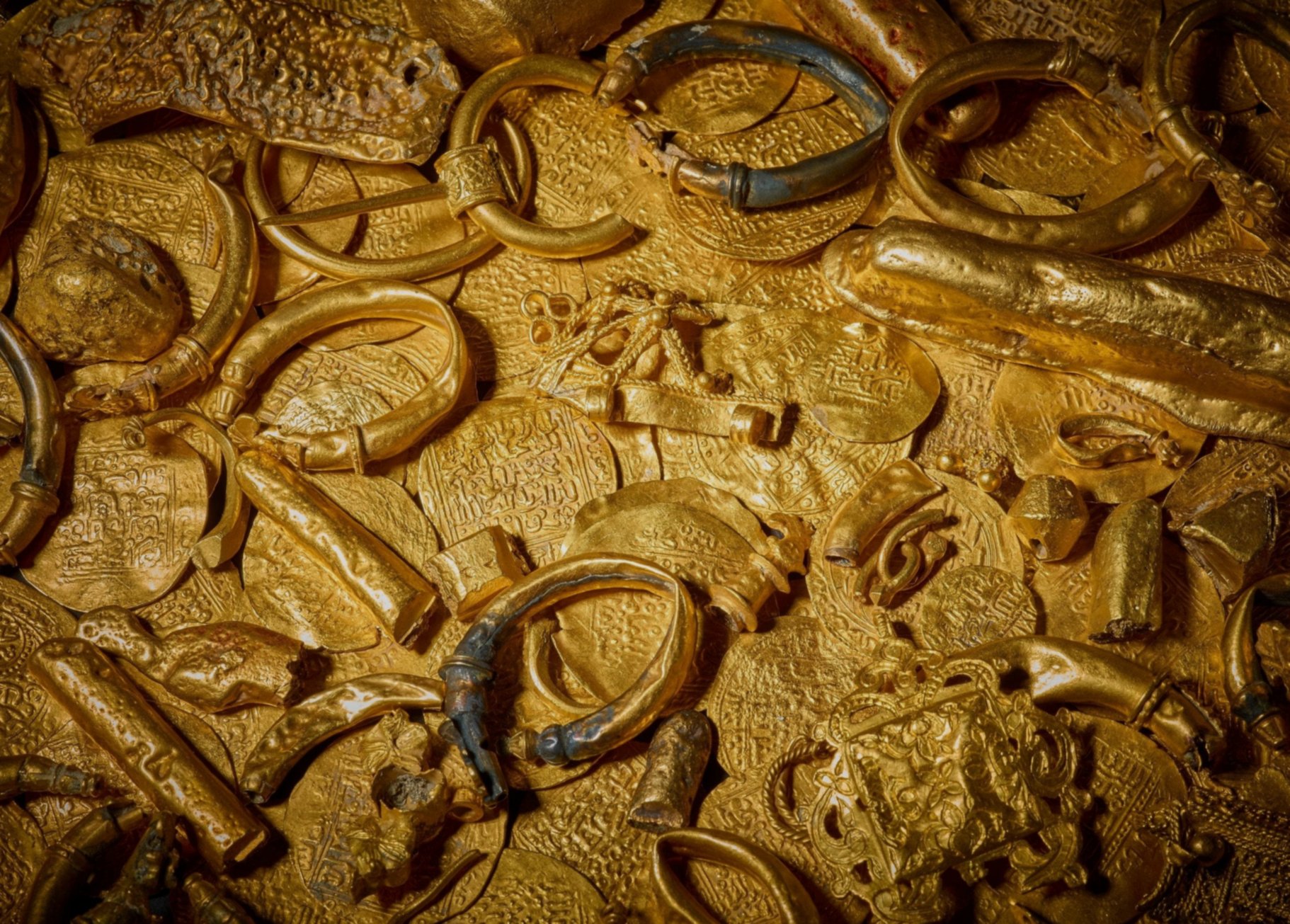
- 9,000 Barbary ducats
That last item. Gold. Pure gold from Morocco.
Parham notes that most of it was salvaged right back then. Someone went down. Grabbed the value. Left behind more than 400 of the coins. Those sat in the silt. Quietly. Waiting. Until 1995, when the South West Maritime ArchaeologyGroup found them.
Trade Routes Made Real
Why does a shipwreck matter today?
It puts a face on history. On trade. These coins came from the Sa’dian Sharifs, the rulers of Morocco at the time. The Dutch were big players back then. Their merchant fleet was huge. They traded manufactured goods for African gold.
It is tangible evidence of the 17th-century trade that connected Morocco to the Low Countries.
Most of the foreign gold was melted down. Recast. Turned into Dutch coins that circulated all over the world. This wreck shows that system in motion. Before the coins became anonymous currency in someone’s pocket in Amsterdam.
There are no paintings of the Dom van Keulen. We don’t really know what it looked like. Parham says the site covers about 30 meters. It’s shallow too. Only around 18 meters deep. You can find cannons. Anchors. Cargo items.
The British Museum holds other artifacts. A pewter bowl. A spoon. Gold jewelry. Even a fish-shaped weight used to check depth. A small stamp seal. Pottery shards. And a tiny gold finger nugget.
Jeremy Hill at the British Museum calls the find important. It raises questions about how gold moved. Under the sea. Off the coast of England. It took a team to answer those questions.
Still Watching Over
The site is protected. Strictly.
The Protection of Wrecks Act of 1973 covers it. Historic England manages it. You can’t just dive down there. You need a license from the government. Specifically the DCMS.
They watch it closely.
The National Coastwatch Institution monitors the area from Prawle Point. Police patrols happen regularly. Operation Birdie keeps illegal interference down. People still try to get in. Still trying to salvage history for cash.
The book tells the rest. It covers the dynasty in Morocco. The context of the trade. The recovery of the ship. It ties together a loose thread of global history.
The coins are in the British Museum now. Next to the bowl. The weight. The memory of the storm.
Do we really understand how connected the world was four hundred years ago? Probably not yet.
But now we know where that gold came from. At least this batch of it.