Researchers at the University of Cincinnati have identified a hidden timekeeper. It doesn’t tick. It doesn’t use gears. It’s the air. Specifically, humidity.
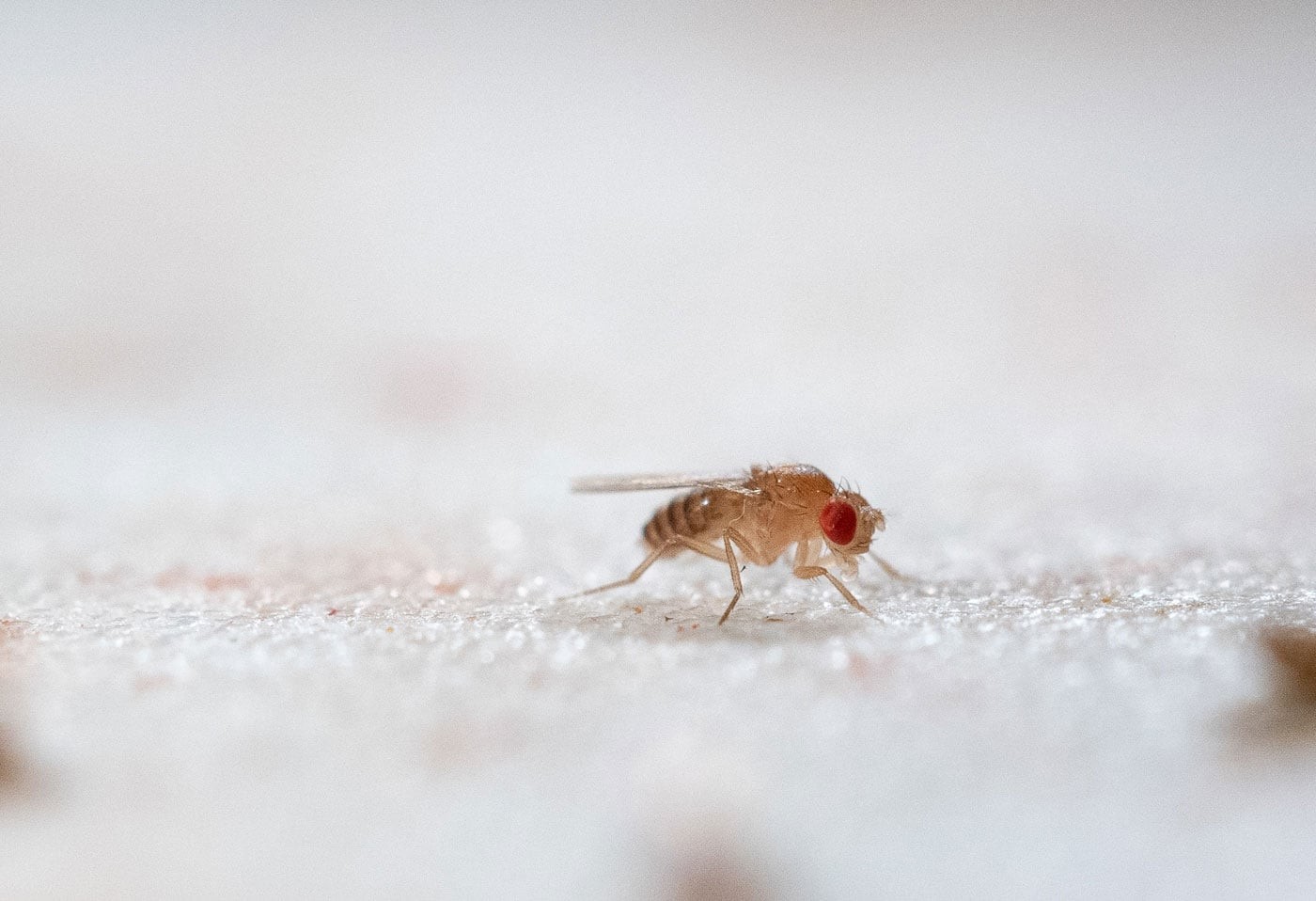
In a tightly controlled environment, insects like kissing bugs, mosquitoes, fruit flies, and spider beetles adjusted their daily behaviors to shifting moisture levels. Even after the humidity cycles stopped, the bugs kept the rhythm. They kept the schedule. They kept the biological clock running.
“They take humidity cues as a biological clock,” UC Professor Joshua Benoit explained.
This finding, published in npj Biological Timing and Sleep, suggests that humidity as a potential zeitgeber for circadian rhythms is real. Light and temperature get all the attention. Humidity gets ignored. That might be a mistake.
The Science Behind the Moisture
Circadian rhythms regulate everything from body temperature to hormone production. We know light and temperature reset these internal clocks. Humidity? Not so much. Yet it fluctuates daily. Just like light.
“Light and temperature are well-known environmental factors,” lead author Shyh-Chi Chen said. “Humidity, like light and temperature, fluctuations daily.”
For insects, water isn’t a comfort. It’s survival. They need to stay hydrated. They also need to avoid dehydration. The stakes are higher for them than for us.
“Survival depends on staying hydrated or avoiding dehydration,” Chen noted.
By tracking humidity changes, insects can anticipate safe times for activity. They can forage. They can mate. They can survive. It’s about timing.
Strength of the Signal
Humidity is a weaker signal than sunlight. Or temperature. Mosquitoes barely noticed the shift. Their behavioral response to moisture changes was the weakest of all subjects tested.
Animals use cycles. Moon cycles drive tides. Solar cycles dictate day length. Monarchs use sunlight to navigate continents. Now, insects use moisture.
The results were statistically significant. But subtle. Subtle doesn’t mean ineffective. It means we haven’t been looking hard enough.
Does Humidity Affect Humans?
Could recurring humidity patterns influence human biology? Mammalian circadian rhythms are dominated by light-dark cycles. But could there be a multisensory integration effect?
“Opens a fascinating door to human biology,” Chen said. “Any effect would probably be too small to notice.”
Probably.
But “too small” isn’t “none.” If humidity can reset a bug’s clock, why not ours? The biology is complex. The senses are numerous. We might just be too distracted to feel it.
Or we’re simply not paying attention to the air we breathe.