The moon isn’t just for robots anymore. Or at least China thinks so. They are ripping apart the old silos. The robotic Chang’e probe team? The manned Shenzhou astronauts? They’re being shoved together.
“We will spare no effort” to hit that 2030 deadline, Zhang Jingbo from the China Manned Space Agency told the crowd on May 23.
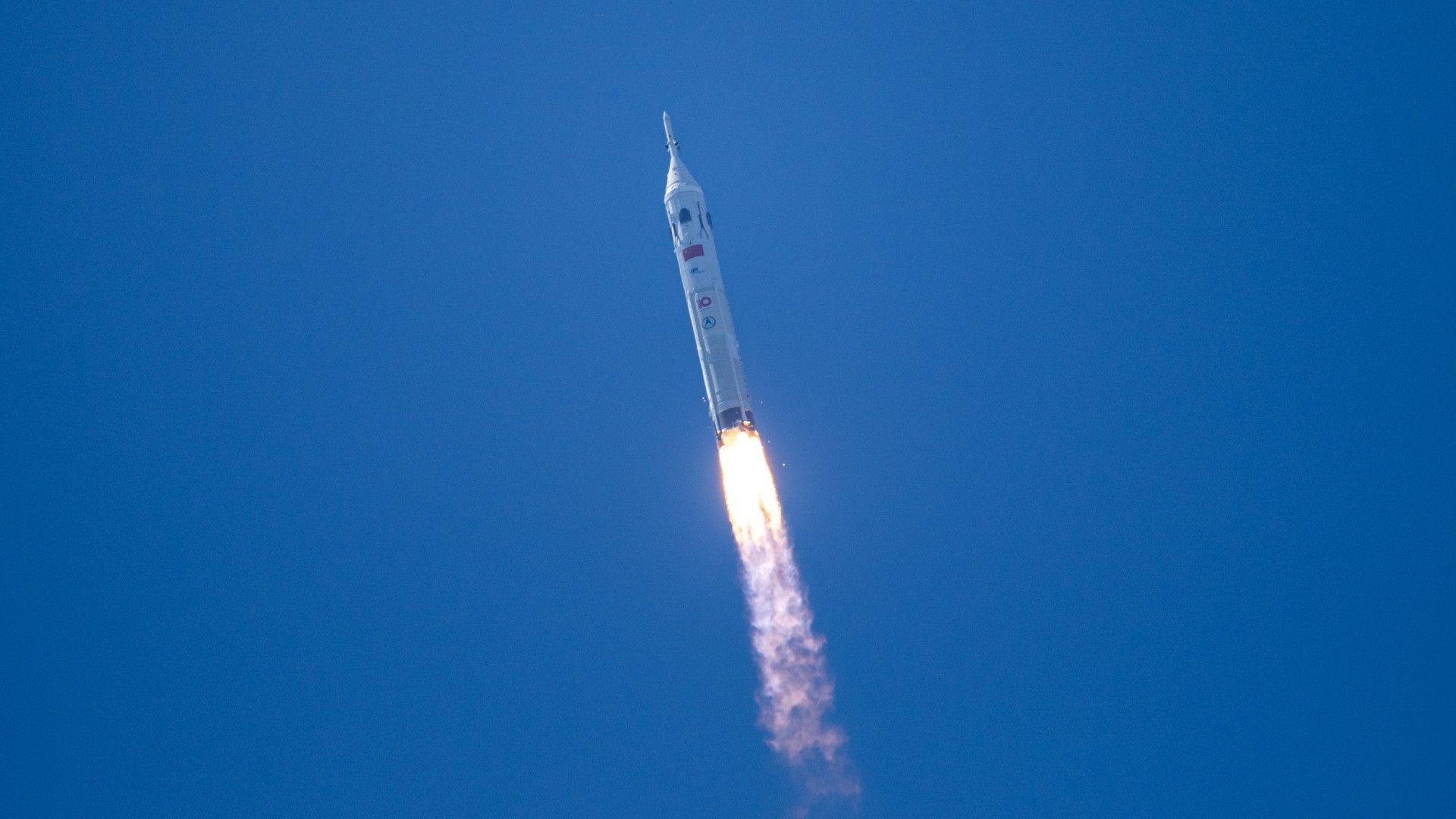
This wasn’t some abstract press release fluff. This happened at the Jiuquan Satellite Launch Site in northwest China. Right before they launched the Shenzhou-20 crew to the Tiangong Station. The goal? Merge mission planning, resources, and teams. Three buckets, one strategy. Decades of expertise are getting poured into a single cup.
Building the stack
You don’t just walk on the Moon. You have to test the exit door. Zhang pointed to the recent tests of the Long March-1 rocket. Low altitude runs. Max dynamic pressure escape drills for the big Mengzhou spacecraft. These are the rehearsal steps for a reusable ride that eventually carries people up and down.
Then there’s the robot work. The Chang’e-7 probe shipped off to Wenchang back in April. It’s prepped. Testing is underway. The target launch? August this year.
It’s going to do everything. Orbit, land, roll, even hop. Specifically at the lunar south pole. Looking for environment clues and resources. Plus some international cooperation. A crowded little mission.
The station is the testbed
Next up: verification. Zhang listed the menu. Long March-10 flights. Maiden voyages for the Mengzhou spaceship. The Lanyue lander.
But why the fuss about the Tiangong space station? It’s been up there for four years. Steady. Stable. Zhang calls it a foundation. And maybe it is. They’ve verified key tech up there.
Like liquid sloshing. You might think it’s trivial, but when you’re in microgravity and need precise fuel specs for a moon lander? Not so trivial. The Tianzhou-10 cargo craft took that experiment up there recently. Also on board was China’s first dynamic test of perovskite solar Cells. The goal: lightweight, cheap, high-efficiency power for future bases. If the panels survive in service, they’re good for the moon.
Is this too much integration?
Proving the tech works
The Long March-10A and Mengzhou aren’t just station lifters. They share engineering DNA with the moon hardware. The next two years of station flights are essentially stress tests. Two years to boost “technical maturity,” Zhang said. Two years to prove reliability.
Ji Qiming from the crewed space program broke it down via CGTN. The station helps in three ways. It trains astronauts. It tests moon-bound tech. It builds experience. Simple enough.
So who goes? Three crew members total. Two actually land and do the science. The other one stays in orbit presumably.
Who are these people? Likely pulled from the existing roster. The guys who’ve already done the station rotations. Zhang calls them a “solid talent pool.” Experienced flyers. Real space veterans. The detailed selection plan isn’t locked down yet. They are still building the ladder.
2030 feels far away until you look at the checklist. It doesn’t feel close yet. But they aren’t slowing down. The engines are running.