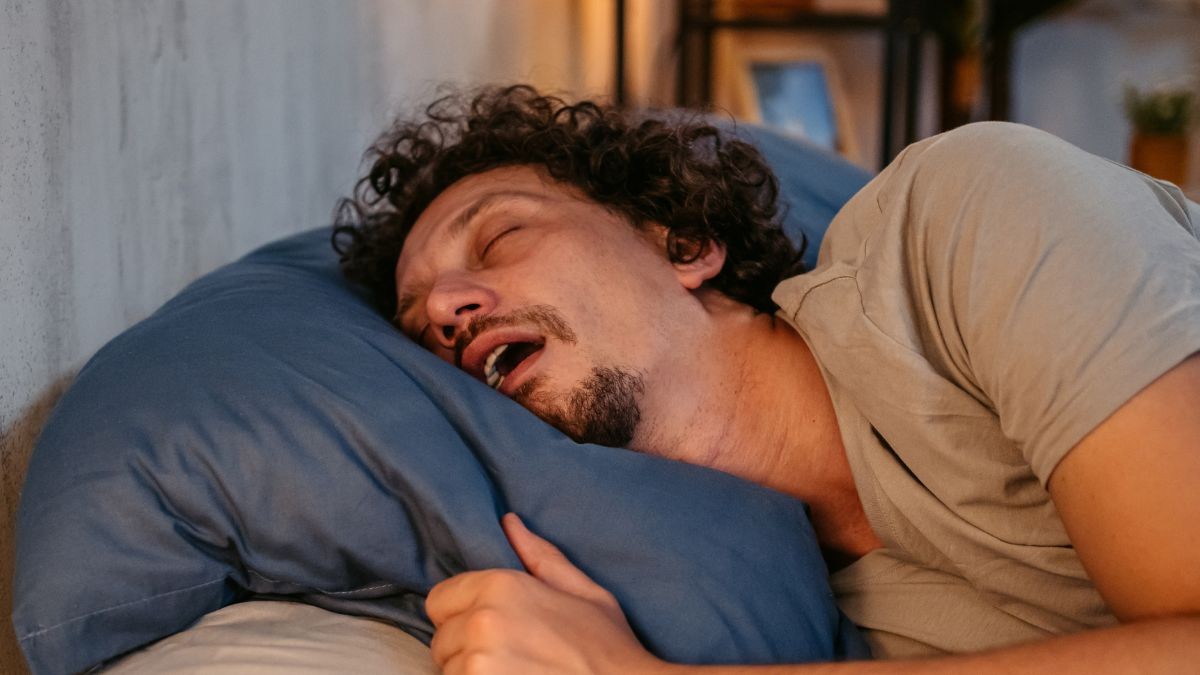
One billion people. That is the rough global count of folks battling sleep apnea. Maybe more if you count the partners sleeping next to the snores.
Obstructive sleep apnea is brutal. It forces repeated airway collapses during sleep. This leads to gasping, headaches, and that bone-deep daytime fatigue. But it’s not just annoying. Long-term apneas wreck cardiovascular health. They damage brain function. They tear holes in general well-being.
Most patients currently rely on CPAP machines. You strap a mask to your face all night to keep airway pressure up. It works. It also sucks. The machines are bulky. They’re uncomfortable. Many patients just stop using them. They abandon treatment.
“The majority of diagnosed patients are going untreated.”
Dr. Patrick John Strollo from the University of Pittsburgh says most diagnosed individuals either get no help or don’t get enough help. He wants better options. Something simple.
That is why a nightly pill is fast-tracked for approval.
The drug is called AD109. Strollo and his team ran a Phase 3 trial involving 646 people from the US and Canada. All of them had mild to severe apnea. All of them refused or couldn’t handle CPAP therapy.
They gave these patients a choice. Or rather. They removed choice to keep things blind. Half got the real pill. Half got a placebo. Everyone took one tablet every night for 26 weeks. Week one started at a half dose to ease in.
They measured success with the apnea-hypopnea_index. AHI counts how often breathing stops or drops. Lower numbers are good. Much better.
Here is what happened.
The AD109 group saw their AHI drop by 44 percent. The placebo group dropped 18 percent. By the end. nearly 42% of drug-takers moved into a less severe category. Almost 18% stopped having obstructive events altogether. That is significant.
Side effects were minor. Dry mouth. Some nausea. Insomnia. Predictable stuff since the ingredients are well known.
What is the magic inside the capsule?
Two old drugs working in tandem. Aroxybutynin reduces parasympathetic nerve activation. Atomoxetine treats ADHD usually. Together? They counteract the brain’s habit of letting go. They keep the tongue and throat muscles tight when you are asleep. In simpler terms. It stops the upper airway from collapsing because the brain finally remembers to keep those muscles awake.
The FDA has fast-tracked the process. A decision is expected by 2027.
Is AD109 the only game in town?
No. The pipeline is full. Repurposed epilepsy meds show promise. GLP-1 drugs work for weight-related cases. Implanting electrodes in the tongue sounds sci-fi but shows early success. There is even talk of blowing into a conch shell to tone throat muscles. Sounds like something out of a fairy tale.
But a pill is convenient. It is discreet. No tubes. No masks.
“Targeting neuromuscular dysfunction… can translate into meaningful clinical outcomes.”
Strollo believes this proves the disease biology is misunderstood. It isn’t just an airway problem. It is a neuromuscular one. The pill fixes the disconnect.
Whether you end up taking a pill, wearing a device, or blowing on a shell remains to be seen. The wait until 2027 will be long. The snoring won’t stop just because the FDA is thinking about it.