Most people think stopping a med means it’s gone.
Clean slate.
Not true.
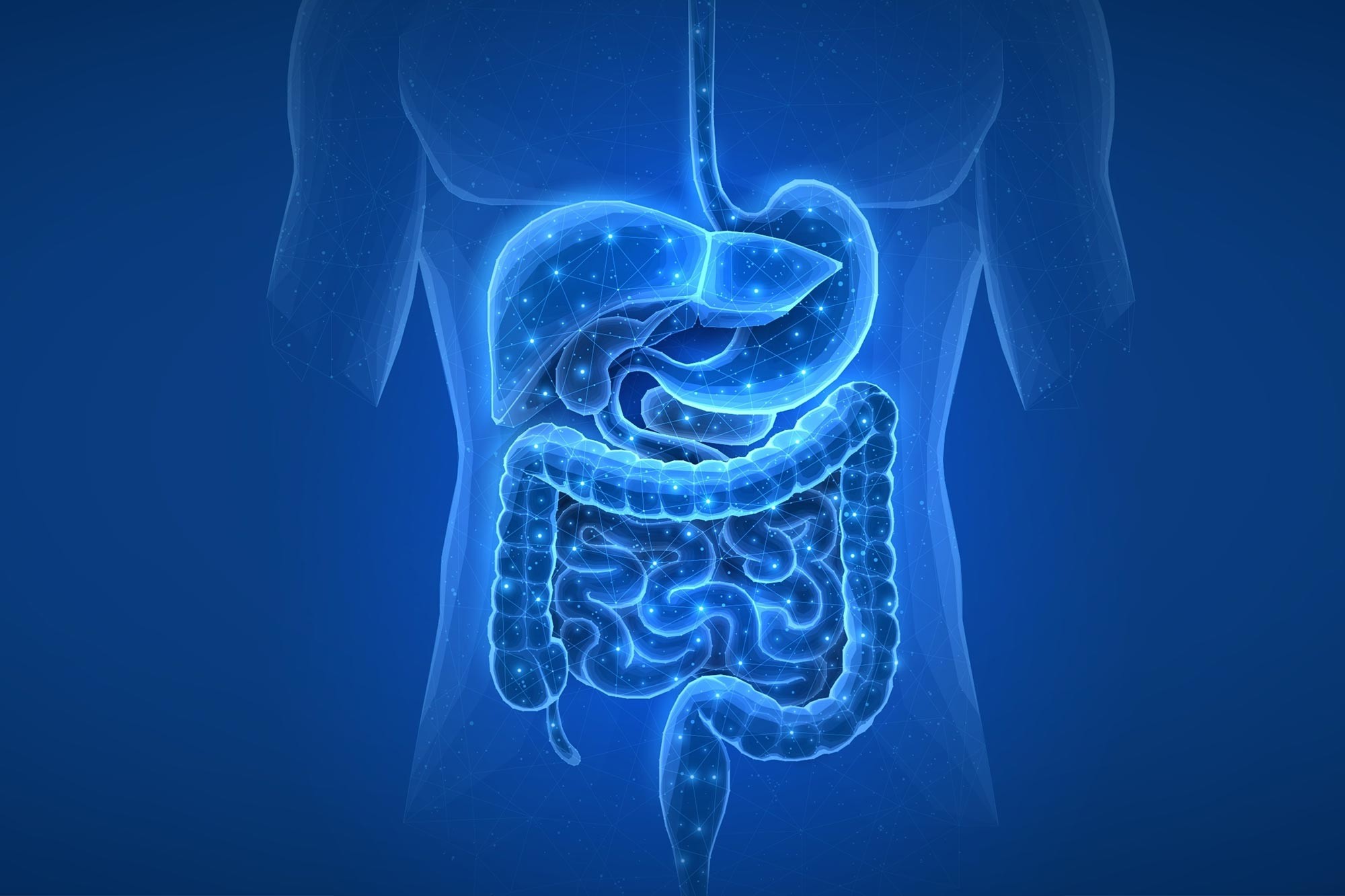
Your gut microbiome might be keeping score. A new study out of Estonia shows prescription drugs can leave scars on your gut bacteria long after the bottle is empty. Sometimes those scars last three years or more.
That shakes up a big assumption in the field.
The Estonian Evidence
The team looked at data from over 2,500 people in the Estonian Biobank stool sample project. It’s not a small sample.
Because Estonia keeps tight health records the researchers could cross-check who was on what years ago with the bacteria currently living in their guts.
Of the 186 pills analyzed 167 left some mark on the microbiome.
167 is a lot.
Even more shocking 78 drugs showed long-term effects. Detectible changes after the drug had been cleared from the system. In some cases more than three years out.
Past drug use can be surprisingly strong factor in explaining individual differences
Antibiotics are the usual suspects. Everyone knows they wipe out good and bad bugs.
But this study found other classes holding on just as tight. Antidepressants. Beta blockers. Acid reducers. Glucocorticoids. Even benzos for anxiety.
Dr Oliver Aasmets noted most studies only look at current meds. This work proves past usage matters just as much.
Why look at a snapshot when the movie keeps playing?
Dose Makes the Difference
Frequency matters.
If you refilled a prescription repeatedly over five years the signal in the gut got louder. It’s cumulative. We saw this with antibiotics before but now we see it with human-targeted drugs like beta blockers and benzodiazepines too.
Benazos were a real outlier here.
Their impact on the whole gut community was as brutal as broad-spectrum antibiotics. And the effects stuck around.
But here’s the weird part. Not all pills in a class act the same.
Alprazolam is a benzo. Diazepam is a benzo.
They hit the gut microbes completely differently. Same story with some acid blockers and blood pressure meds.
One pill might be gentle on the gut. The other one right next to it on the pharmacy shelf might not be.
Do you have time to swap?
What Does It Mean For You
Don’t panic.
Do not stop your meds based on this.
The implications are for research not for your Tuesday routine. The study wasn’t big enough to say one drug is better for your health than another just because it spares your bugs. It just says the signal persists.
They did track a smaller group 328 people gave second stool samples after an average of four and a half years. This confirmed the timeline. Starting a med changed the bacteria. Stopping it didn’t necessarily reset it to zero.
Proton pump inhibitors and certain antidepressants showed this clearly.
Professor Elin Org called it a comprehensive look using real-world data. She wants doctors to think about drug history when looking at microbiome results.
Currently they aren’t.
There are limits to the study. It only covered prescriptions. Over-the-counter stuff didn’t get a look. And buying a pill doesn’t prove you took it. But for those who do it changes the view on what “recent” means for your body.
Maybe we should ask more about what we stopped taking five years ago.