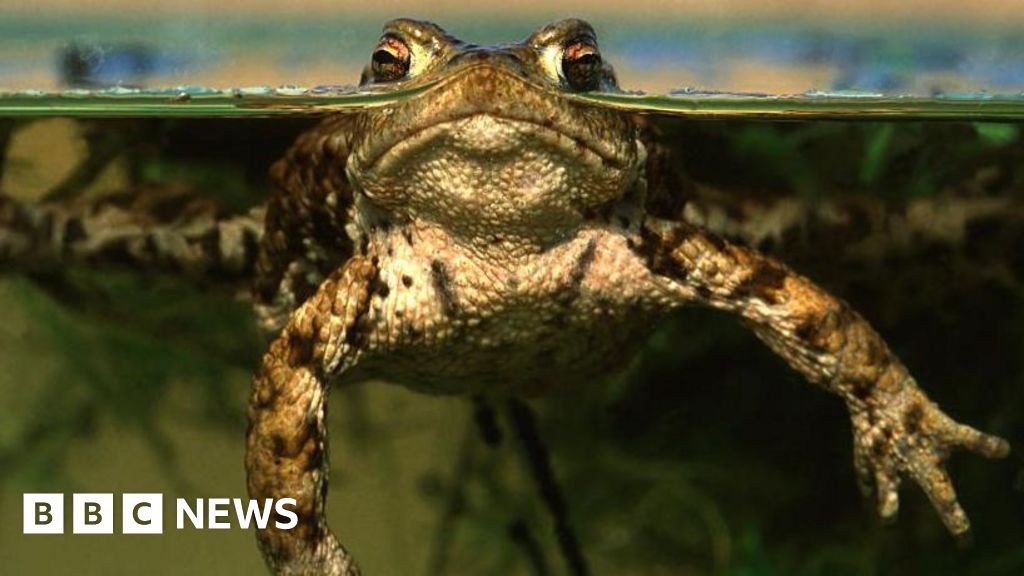
A major conservation effort in Wrexham may have been wiped out following the unexpected drainage of the Nant-y-Ffrith reservoir. Volunteers from the Wrexham Toad Patrols report that approximately 1,000 breeding toads may have perished after the water company, Hafren Dyfrdwy, emptied the site during the peak of the breeding season.
A Season of Hard Work Undone
For months, dedicated volunteers have been working to ensure the survival of the local amphibian population. Each year, between February and May, members of the Toad Patrols assist creatures in crossing the busy A525 road to reach their ancestral breeding grounds at the reservoir.
This year proved particularly successful for the group:
– Increased Participation: A rise in volunteers allowed the team to assist nearly 1,500 amphibians.
– Success Rate: This was four times the number assisted in the previous year.
– Timing: The toads were only a few weeks away from completing their breeding cycle and leaving the site.
However, the sudden silence at the reservoir has left volunteers deeply concerned. “The males are very vocal, so you can usually hear them. It was silent,” noted volunteer Becky Wiseman. Upon inspecting the site, patrollers reported seeing no signs of life.
The Conflict Between Infrastructure and Ecology
The reservoir was drained by Hafren Dyfrdwy to facilitate what the company describes as “essential safety improvements.” The utility provider maintains that the work is critical to ensure the reservoir remains safe and meets strict operational requirements for the local drinking water supply.
The timing of the maintenance, however, appears to have been poorly coordinated with the local ecosystem’s needs. Volunteers argue that if the work had been delayed by just four to six weeks, the toads would have finished laying their spawn and transitioned into toadlets, allowing them to leave the water before the maintenance began.
“If we’d known about it, there could have been things that we could have put in place to try and prevent any fatalities.” — Ella Thisleton, Volunteer
Why This Matters: A Declining Trend
This incident is not an isolated tragedy but a setback in a much larger environmental struggle. According to the conservation charity Froglife, common toad populations across the UK have plummeted by 41% over the last 40 years.
The decline is largely attributed to:
– Habitat Loss: The disappearance of garden ponds has left many species without safe places to breed.
– Fragmented Ecosystems: As natural habitats shrink, man-made sites like reservoirs become “critical lifelines” for biodiversity.
– Human Encroachment: The tension between maintaining essential human infrastructure (like water supplies) and preserving wildlife habitats is increasing.
Beyond the toads, there are growing concerns regarding the reservoir’s impact on local bird populations, including curlews and geese, which rely on the site for habitat.
Looking Forward
Hafren Dyfrdwy has stated they are currently reviewing the situation alongside on-site ecologists to understand the full impact of the drainage. For the Wrexham Toad Patrols, the focus is now on the uncertainty of the next breeding season and the need for better communication between utility providers and conservationists.
The incident highlights the urgent need for better synchronization between essential infrastructure maintenance and the seasonal cycles of the wildlife that depends on those very same resources.