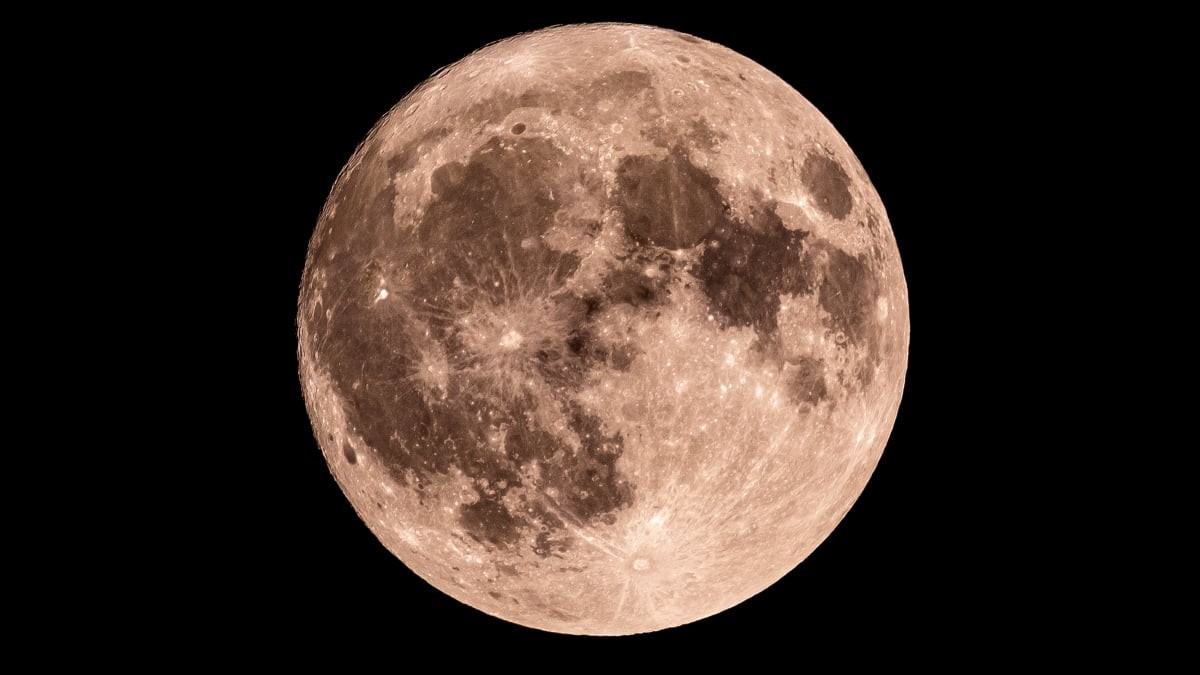
Tonight, skywatchers will observe a subtle but growing presence in the night sky. As the lunar cycle progresses, the Moon is beginning its transition from darkness toward full illumination.
Tonight’s Phase: The Waxing Crescent
On Tuesday, April 21, 2026, the Moon is in its Waxing Crescent phase. According to NASA, approximately 20% of the lunar surface will be visible to observers tonight.
Because only a small portion of the Moon is lit, it appears as a thin, curved sliver. The term “waxing” indicates that the illuminated portion is growing larger each night as it moves toward its next major phase.
Observation Guide: What to Look For
Depending on your equipment, there are specific lunar features you can attempt to spot tonight:
- With the naked eye: You may be able to discern the darker, smoother plains known as Mare Crisium and Mare Fecunditatis. These “seas” are large, basaltic plains formed by ancient volcanic eruptions.
- With binoculars or a telescope: Enhanced magnification will allow you to see these lunar seas more clearly, along with the details of the Endymion Crater.
Looking Ahead: The Path to the Full Moon
The Moon is currently on a steady climb toward full brightness. If current orbital patterns hold, the next Full Moon is expected on May 1. This will be the first of two full moons occurring in the month of May, a phenomenon often referred to as a “Blue Moon” when it occurs in a single calendar month.
Understanding the Lunar Cycle
The changing shapes of the Moon are not caused by the Moon itself changing, but by its position relative to the Earth and the Sun. It takes approximately 29.5 days for the Moon to complete one full orbit around our planet, passing through eight distinct stages:
The Waxing Phases (Growing Light)
- New Moon: The Moon is positioned between the Earth and the Sun, making its illuminated side face away from us. It is effectively invisible.
- Waxing Crescent: A small sliver of light appears on the right side (in the Northern Hemisphere).
- First Quarter: Exactly half of the Moon appears lit on the right side.
- Waxing Gibbous: Most of the Moon is illuminated, but it has not yet reached a full circle.
The Waning Phases (Diminishing Light)
- Full Moon: The entire face of the Moon is illuminated by the Sun.
- Waning Gibbous: The light begins to recede from the right side.
- Third Quarter: Half of the Moon is lit, but on the left side.
- Waning Crescent: A final thin sliver of light remains on the left before the cycle resets to a New Moon.
Summary: Tonight offers a view of a 20% illuminated Waxing Crescent, marking a small but visible step in the Moon’s month-long journey toward the Full Moon on May 1.