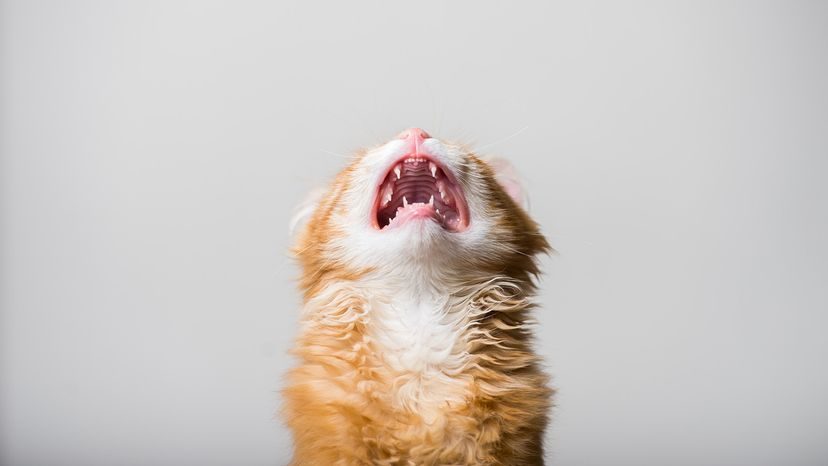
You stare at the ceiling. The digital clock lights up red. It’s two in the morning and your cat is next to you. Or maybe just off it. The sound was sharp. repetitive. It is not a purr. It is a demand.
If you’ve ever asked your cat why it meows so much, you’re part of a big club. Millions of people have lay there thinking the same thing. The noise is real. The reason is usually specific.
Cats communicate using sounds. This is their main tool for dealing with people. Kittens use these sounds with their mothers. Adult cats rarely meow at each other. They use body language and smell. But when it comes to people, the vocal cords come into play. they want something.
Understanding Your Cat’s Excessive Loudness
Excessive meowing rarely occurs sporadically. This is a signal. It points to a change. This change can in their health. It could be their environment. You have to listen carefully.
The most common triggers are simple. Hunger is one of them. Boredom is another. Attention-seeking is huge. Cats are very intelligent. They learn that if they make noise, you respond. Stand up. open the can. pet them. They learn that vocalization works. It’s a feedback loop.
Cats meow to get what they want. Many cats learn that vocalizing works.
This isn’t just a cute behavior. This could be a sign of trouble. Older cats meow more. This may indicate a cognitive decline. This could mean that they are lost in their own home. This could be a sign of hearing loss. They meow to see if they are still there.
Medical problems can also cause noise. Thyroid problems can cause hyperactivity. Pain can cause distress sounds. If your cat used to be quiet but is now noisy, check with a vet. First, Rule out the physical first.
The environment plays a role. A new pet? Moving furniture? The smell of another cat outside? Cats have a territorial. Change stresses them out. Stress causes vocalization.
Boredom is the silent killer of peace. Indoor cats with nothing to do make a lot of noise. they are predators. They need stimulation. Without it, they create their own entertainment. Meowing is a one way.
How do you stop a symphony at 2 in the morning? Ignore the demand for attention. When you answer, you reward the behavior. Consistency is key. Feed them right before bed. Play with them early in the evening. Make sure your environment is stable.
But why did the cat choose this specific hour? The twilight hours is their natural hunting time. Their energy rises. They want to act on that energy. If you sleep, they are awake. The mismatch in schedules creates conflict.
It’s not personal. This is biology. It is habit. This is usually a cry for help or a cry for resources. Listen to the tone. Is it pleading? Is it angry Is it just repetition?
Solutions start with observation. Track the time. Follow the triggers. Is the bowl always empty? Is it always at sunset?
You are not alone in the 2 a.m. vigil. But you are the one who has to break this cycle. Let’s start by understanding the source.
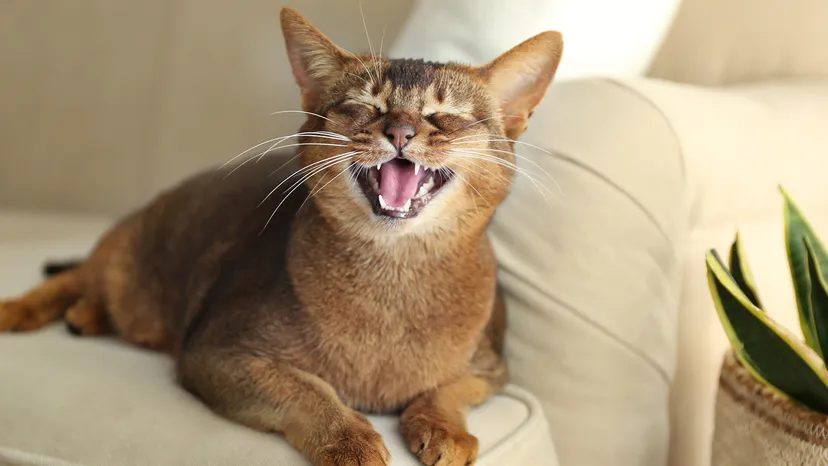
Break the attention loop
This is a classic trap. The cat screams. You feed them. The cat learns that volume equals dinner. This is operant conditioning in its purest and most grueling form. If your cat’s loud meowing continues to elicit a response from you, whether it’s a pet, a treat, or just your presence, they will keep doing it.
The solution is not negotiation. It’s structure.
Automatic feeders take you out of the equation. Scheduled playtime replaces random attention. Your cat’s behavior will change when it learns that yelling only leads to silence and that calm behavior brings a reward. This takes time. It takes discipline. But it works.
The Silent Medical Causes
You might think it’s just attitude. Sometimes it’s biology.
Older cats are particularly susceptible to cognitive impairment. Think of it as feline dementia. The world becomes confusing. Nighttime restlessness spikes. They are not crying because they have a request, but because they are confused.
However, age is not the only factor.
Kidney disease can change hydration and energy levels. An overactive thyroid increases metabolism, which can make your cat nervous and vocal. Sensory impairment also plays an important role. If a cat loses its hearing or vision, it may make sounds to find its way around or express anxiety about a shrinking world.
Don’t guess whether the sounds are new, ongoing, or accompanied by other behavioral changes. Let’s take it to the vet. Rule out physical factors before addressing psychological factors.
Environment and daily changes
Cats are creatures of habit. Change is their kryptonite.
Have you adopted a new pet? Are you moving to a new home? Are you going on vacation? These disruptions can trigger anxiety that manifests as noise. A cat that slept through the night may wake you up because their internal clock is off.
They need stimulation. A dull day can lead to a noisy night.
Consider the outdoors. If your cat is meowing to go outside, it may just be bored in the house. An outdoor fence and secure cat doors offer safe exploration. It gives them a purpose for the meow. In contrast, indoor and outdoor cats often make noise to get in and out, especially when their daily routines are interrupted.
And then there’s the biological imperative.
If your cat is intact, meaning it has not been spayed or neutered, expect relentless vocalization. Mating season is loud. Although this is natural, it is not sustainable for families. Spaying or neutering dramatically reduces these breeding-related cries. It’s not just about population control. It’s all about peace and quiet.
Breed-specific characteristics
Not all cats are created equal. Some breeds have louder voices baked into their DNA.
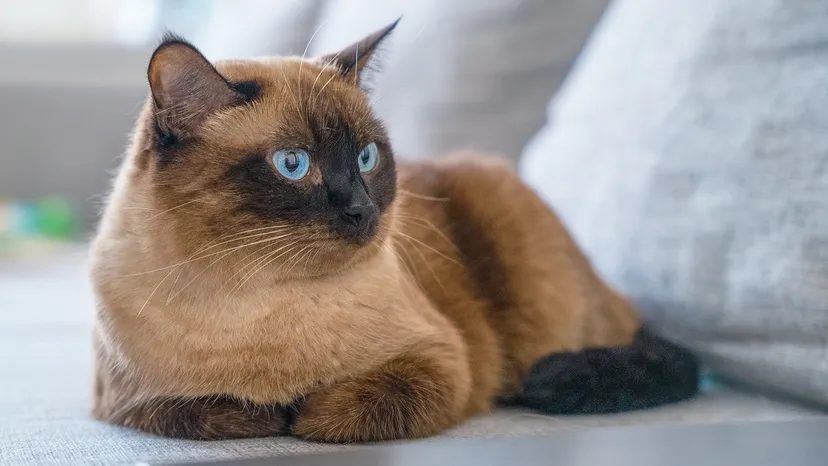
Why some cats won’t shut up
Certain breeds are genetically programmed to talk back. Siamese cats are a classic example of this behavior. They don’t chirp to tell you they’re hungry. They chirp to hold a conversation. If you own one, the constant talking may seem like noise pollution. This is normal for the breed. This doesn’t mean you’ve failed as a parent.
But “normal” doesn’t mean you have to accept it unconditionally. Structure helps. Interactive games can help. You can adjust the volume.
How to reduce excessive meowing
Check your hardware first. A visit to the vet is non-negotiable. Pain and illness often manifest as sounds. Rule out medical problems before assuming it’s a behavioral problem.
If your doctor’s health certificate is in order, look around you. Boredom is a strong emotion for cats. Enrichment is the antidote. Puzzle feeders force them to work to for kibble. Toys are a big distraction. Regular interaction satisfies their social needs.
Check the basics.
– Is the bowl full?
– Is the litter box clean?
– Is the water fresh?
Ignoring these can trigger protest meows.
Managing Absence and Attention
Hire a pet sitter if you are away from home for an extended period of time. Cats hate empty houses. They hate silence. They also don’t like the lack of attention. Sometimes meowing is just an expression that it misses you.
If the noise has increased recently, consider making changes to your environment. New stimuli can cause stress. Pressure makes noise.
We used a combination of artificial intelligence technology to create this article, which has been reviewed and edited by HowStuffWorks editors.