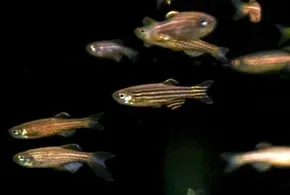
You pick a spot for your tank. You arrange the rocks. You watch the fish dart through the water. None of it looks quite right unless the light is on. Good aquarium lighting isn’t just aesthetic. It is functional infrastructure. It allows you to see the colors in the scales and the texture of the aquascape. If you have live plants, it is literally a food source. Without it, they starve.
The hood. We often treat it as an afterthought. Just a lid. But it serves multiple critical functions beyond holding a bulb. It stops evaporation. It keeps dust from floating in. It stops the fish from jumping out.
Most hoods have pre-cut holes in the back for filters and heaters. Push them out. Cut them if needed. Be careful. If those holes are too big, fish can escape. They usually only try this when they are stressed. Check the gaps. Seal them if necessary.
Fluorescent vs. Incandescent Fixtures
Old-school setups used incandescent bulbs. You might still find hoods that accept them. They work. But they are inefficient. They generate excessive heat. Your room gets hotter. Your aquarium gets hotter. In summer, this is a problem. Fish need stable temperatures.
Incandescent bulbs also burn out quickly. They waste electricity. For a large tank, you need several bulbs. The power bill adds up. The heat stress adds up.
Fluorescent tubes are the standard recommendation for a reason. They run cooler. They last longer. They use less energy. They provide the spectrum needed for live plants to grow.
However, there is a catch. Many hoods only fit one fluorescent tube. Is one tube enough? Probably not for a planted tank.
Calculating Wattage and Light Duration
How much light do you actually need? There is a rough rule of thumb. Three watts of fluorescent light for every gallon of water. It is inexact. It is a starting point. A small bowl with one plant needs less. A sixty-gallon tank with dense vegetation needs more.
Check the plant requirements. Check the fish species. Some fish prefer dimmer environments. They hide during the day. They need darkness to sleep. Just like humans. Just like in the wild.
The lights should be on for eight to ten hours. Not more. Not less. If you leave them on too long, algae explodes. If you leave them on too short, plants wither.
Intensity matters more than duration. If the light is too weak, turning it on longer does not help. The plants get leggy. Long stems. Few leaves. They stretch toward the surface, searching for energy. They look sad. They are starving.
Tailoring Your Setup
Consult your dealer. Or do your own research. The exact needs depend on the tank size. The type of plants. The number of fish. A community tank differs from a planted nano tank. A saltwater reef tank is a different beast entirely.
Some fish do not like bright light. Observe your inhabitants. Do they hide when the lights go on? Do they dart to the shadows? Adjust the intensity. Add a shade. Move the fixture higher.
Remember the darkness. Fish need it. Plants need a rest period. The cycle must be complete. Light on. Light off. Repeat.
Go to the next page to learn about aquarium plants.
To learn more about freshwater aquariums, see:
-
Aquariums
-
Aquarium Basics
-
How to Set Up an Aquarium
-
How to Maintain an Aquarium
-
How to Choose Aquarium Fish
-
How to Care for Aquarium Fish
-
Freshwater Aquarium Fish