A new star appeared first. It hung there for roughly a week, silent and wrong in the sky.
Michael Benton and Monica Grady didn’t write about fossils in dust. They wrote about fire. Writing in The Conversation, the researchers from the University of Bristol and the Open University decided to stop guessing about bones. Instead they described the feeling of extinction.
Close to the impact? You’d see it coming.
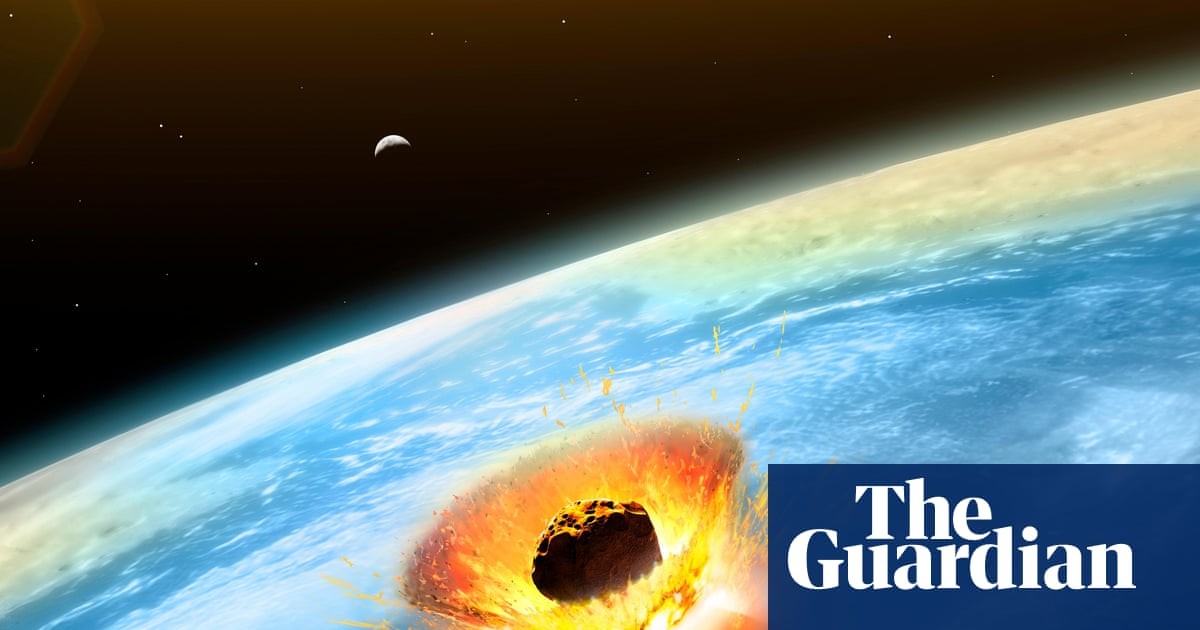
A bright fireball. The sound isn’t a thud, it’s a crackle then a sonic boom. Before you can process the noise you are gone. Incinerated.
Five minutes pass.
Out over the Gulf of Mexico the ocean stands up. Tsunamis a hundred meters high. Not waves. Walls of water. They roll across the gulf carrying heat, shock, and chaos. Earthquakes. Hurricanes. Fires that burn without end.
Within 1,200 miles of that crater, life ceases to be.
Dinosaurs in the distant forests thought they were safe.
For about an hour.
Then the dust circled the globe. Skies went black. Sunlight stopped reaching the ground. Global temperatures plummeted. By the end of that first week the planet was 5C colder than it should have been.
A winter settled in.
It didn’t last a few weeks. It lasted a decade. Ferocious, unrelenting cold. The result?
About 75% of all living species wiped out.
The aftermath wasn’t just heat. It was a decade-long freeze that broke the world’s ecosystem.
Our mammal ancestors made it through. We are here because of luck mostly. Biology is brutal. Survival is often just holding your breath long enough for the air to return.
So what does that tell us about now?
Benton and Grady don’t sugarcoat it. They look at our burning of carbon and see a pattern. A similar scale of catastrophe might not require a rock from space. We’re setting the scene ourselves.
Is that comfort or a warning?
Maybe it is both. Maybe the universe doesn’t care who pulls the trigger.