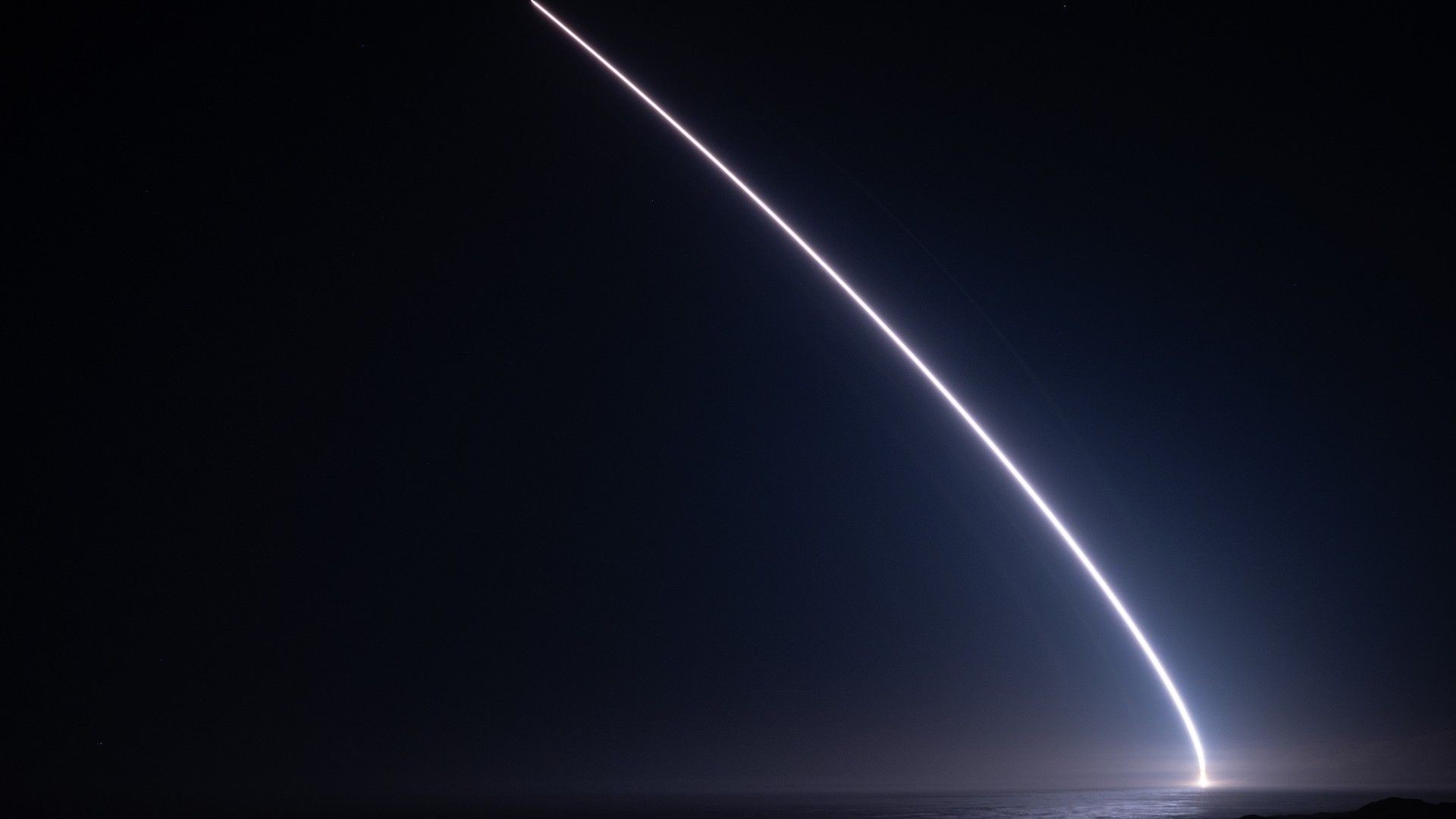
Night falls over Vandenberg. Just after midnight, Pacific time. A Minuteman III shoots out of California. May 20.
Unarmed. But built to carry a nuclear punch. It’s a test. Pure verification of readiness. The routine stuff that happens when you own the world’s most dangerous inventory.
Timing was interesting. The launch came mere hours after a SpaceX Falcon 9 cleared the pad with twenty-four Starlink satellites. Coincidence? Sure. But the military insists the ICBM launch was scheduled years in advance. Not a reaction. Just calendar maintenance.
These tests aren’t daily affairs. We saw a similar exercise almost a year ago, then again in November. The clock keeps ticking.
“Our ability to conduct these rigorous, real-world tests is foundational.”
General S.L. Davis doesn’t sugarcoat it. This isn’t about hardware alone. It’s about the humans keeping the keys. From the operators down the line to the warheads themselves, everything needs to prove it works. Everything.
Where did the payload end up? Nobody says directly. But a prior warning points toward Kwajalein. The Reagan Test Site in the Marshall Islands is the usual target. It fits.
It’s funny when you trace it back. ICBMs date to the late 50s. The same tech that scared the world also helped launch our first satellites. Project Mercury? Those Atlas rockets shared bloodlines with the earliest intercontinental missiles. The machine that delivers destruction and the one that carries astronauts? Often cousins.
At the end of the day, physics is simple. A rocket flies up. Arcs over the atmosphere. Comes down on a suborbital path.
Range? Up to 3,400 kilometers. Some versions split up in the sky. Multiple reentry vehicles. Multiple warheads. One target area, multiple impacts.
The Minuteman III is done, though. Or almost. It’s being phased out. Northrop Grumman is cooking up the replacement, the LGM-35 Sentinel. Old dogs give way to new designs.
The cycle continues. The old missile flies its last routine patrol. The new one waits.