It starts with a deck. Not just any deck. We are talking about tarot, those 78-card sets that have moved from obscure gambling games to becoming the centerpiece of modern fortune-telling rituals. The origins are murky. You won’t find a clear lineage. Cards resembling the modern tarot first showed up in Italy and France during the late 14th century. They were just playing cards back then. Simple diversions for the wealthy.
Then things shifted.
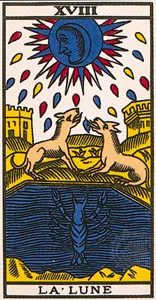
The modern deck is structured with precision. It has 78 cards total. Twenty-two of them are the Major Arcana. These feature pictures representing forces, characters, virtues, and vices. Think of the Tower or The Fool. They carry heavy symbolic weight. The other 56 cards are split into four suits. We know them as:
- Wands (or batons/rods)
- Cups
- Swords
- Coins (or pentacles/disks)
Each suit contains 14 cards. There are ten numbered cards and four court cards in every suit. King, queen, knight, and page. This structure is the foundation. It is also how modern playing cards evolved. The suit cards of tarot became the basis for the standard 52-card decks we use for poker or bridge today.
But the shift from game to spiritual tool happened much later.
For centuries, they were just cards. Then came the 18th century. Esoteric associations attached themselves to the decks. Occultists began assigning meanings to the images. The cards were no longer just for winning money. They became tools for divination. That is how tarot became a method for fortune-telling.
Today, when you sit down for a reading, the context matters as much as the card itself. A single card does not have a fixed, universal meaning. It changes.
The basic meaning of a tarot card is altered by three main factors. First, the position in the spread. Where the card lands relative to others dictates its role in the narrative. Second, orientation. Is the card upright or reversed? That flips the interpretation on its head. Third, the surrounding cards. The neighbors provide context. A “bad” card next to a “good” one might be mitigated. A “good” card next to a negative one might be blocked.
Each card’s basic meaning is altered by the card’s position in the spread of cards laid out by the fortune-teller, by the card’s orientation, and by the cards that are near it.
This is why two readers might give you different readings. They are interpreting the same symbols in different contexts. The deck doesn’t speak in absolutes. It speaks in relationships.
We still use the same suits. Wands for passion, cups for emotion, swords for intellect, coins for material reality. The Major Arcana still tracks archetypal journeys. The structure remains intact since the 14th century. But the intent has transformed. From gambling to self-reflection. From chance to interpretation.
The cards don’t lie. They just wait for you to ask the right questions. And even then, the answer depends on how you lay them out.