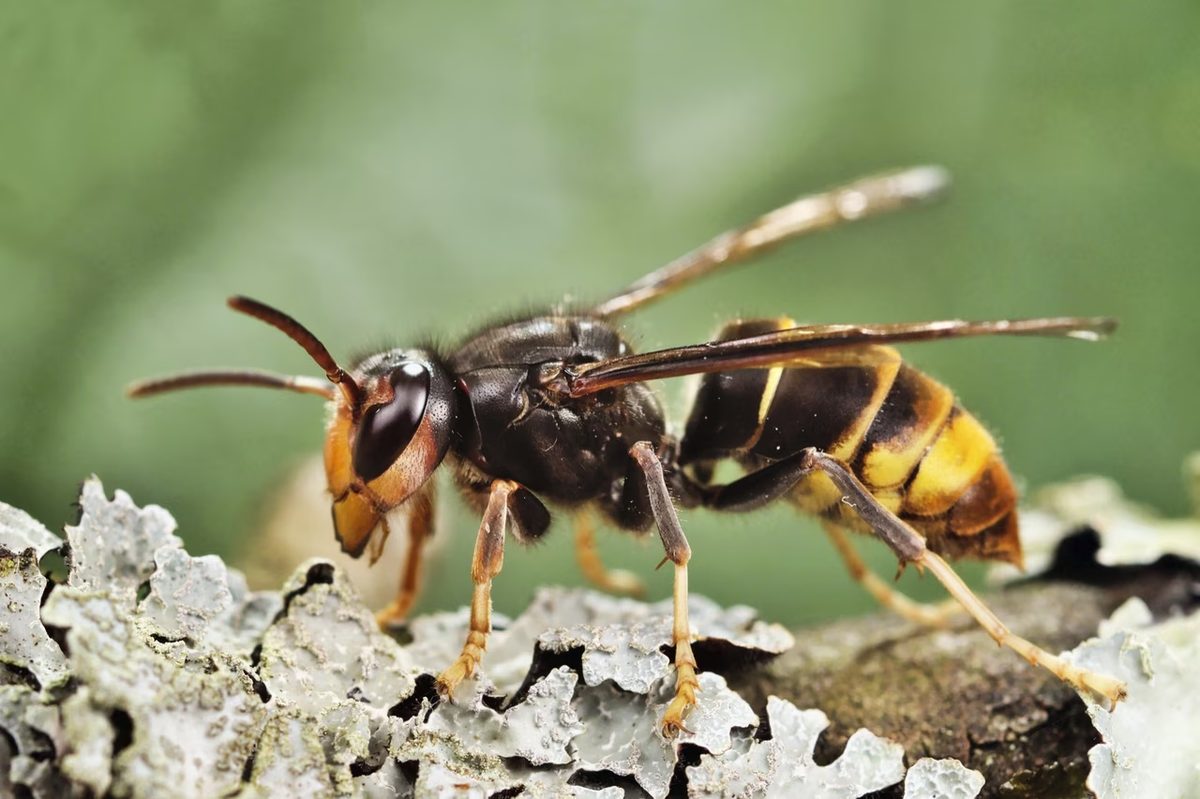
It arrived quietly. Five years ago, the Asian hornet settled into France and hasn’t looked back since. What began as a scattered presence has become a full-blown ecological crisis. This isn’t just about a larger wasp buzzing near your picnic. It is about a predator that disrupts the delicate balance of our local ecosystems and threatens the very foundation of beekeeping.
The danger is specific. And it is dire.
These insects originated in Southeast Asia, but they found a new home in France back in 2006. Their adaptation has been rapid. Their impact has been devastating. At the heart of the problem lies a simple food chain dynamic: the hornet eats bees.
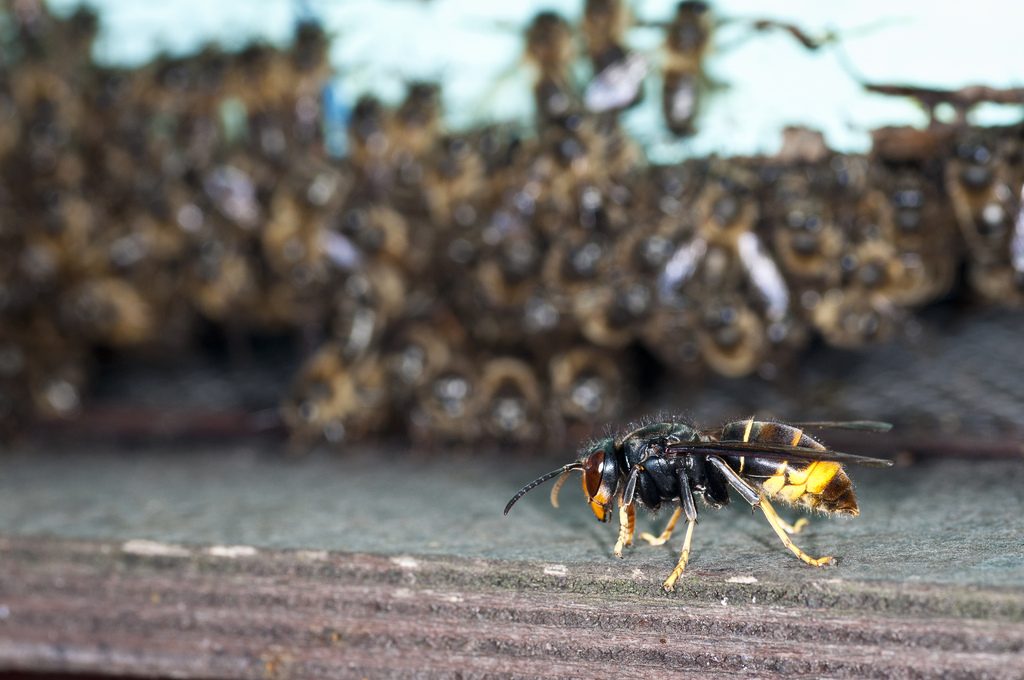
For the Asian hornet, honeybees are not just a snack. They are a staple. The numbers paint a stark picture of this predation. In urban areas, bee foragers make up a staggering 80 percent of the hornet’s diet. It is a heavy reliance on a single resource. Even in the countryside, where options might seem more plentiful, bees still account for 45 percent of what ends up in their stomachs.
Consider the scale. You don’t need a swarm. You don’t need an army. Five Asian hornets are enough to push a beehive toward extinction. That is the threshold. Five predators. One hive. Gone.
The rest of their menu is just as destructive to biodiversity. They hunt caterpillars. They target butterflies. They go after flies and spiders. By stripping these populations, the hornet destabilizes the broader food web. But the attack on apiculture is particularly acute. Bees are pollinators. Without them, the landscape changes. Crops fail. Flowers vanish.
This is not a hypothetical scenario. It is happening now. The presence of the Asian hornet in France continues to challenge conservationists and beekeepers alike. The question isn’t if the damage is real. It is how we respond to a predator that has learned to thrive in our backyards.
The ecological cost of the Asian hornet’s arrival
The imbalance in French ecosystems is no longer just a theoretical concern. The Asian hornet (Vespa velutina ) has settled in, and the ripple effects are already visible. The stakes go far beyond nuisance. We are looking at a potential collapse in pollinator populations that could reshape how local flora survives. Bees are not just busy insects; they are the mechanical drivers of plant reproduction. Without them, most flowering plants lose their ability to propagate. The chain breaks.
When the foraging bees vanish, the flowers don’t follow. It is a direct causal link. The ecosystem relies on this exchange, and the hornet is disrupting it by preying on adult bees at the hive entrance. It’s a surgical strike. The result is a weakened colony that cannot sustain the workforce needed for pollination.
Human safety and proper response
Is the Asian hornet a direct threat to human life? Generally, no. These insects prefer to stay away from populated areas. They are not naturally aggressive toward people. You can coexist with them if you give them space. The risk is low for the average person.
But context matters. If you are allergic, a single sting can trigger a severe reaction. The danger is real for sensitive individuals. Do not take chances.
And if you spot a nest? Do not touch it. Do not try to spray it yourself. That is a mistake that often leads to injury. The correct move is immediate reporting. Contact your local municipality. They have the protocols and the professionals to handle removal safely.
Why this specific predator matters
The issue isn’t just about one species of hornet. It is about the vulnerability of native bee populations. Many native bees are already under pressure from habitat loss and pesticides. Adding a specialized predator to the mix tips the scale. The Asian hornet does not need to kill every bee to cause damage. It just needs to make the hive too dangerous to forage.
This creates a silent crisis. You might not see the decline in flowers immediately. But over seasons, the lack of pollination becomes stark. The biodiversity of the region shifts. Native plants struggle. Invasive plants might take over. The landscape changes.
How to identify and report
Knowing what to look for helps. The Asian hornet is smaller than the European hornet. Its legs are yellow-orange. The abdomen has distinct yellow bands. The nest is often high up in trees, unlike the ground-based nests of some other species.
If you find a nest:
- Do not approach it.
- Do not attempt removal.
- Take a photo if safe to do so.
- Note the location precisely.
- Report it to your town hall or local environmental authority.
They will send experts. The goal is to protect the bees, not just to remove an insect. The preservation of pollinators is the priority. The hornet is manageable. The ecological damage it causes is not.
We are watching the skies, but we also need to watch the ground. The health of our gardens, our farms, and our wild spaces depends on the small, busy bees. The hornet is just the symptom. The disease is the fragility of our ecological balance. We have the tools to respond. We just need to use them correctly.