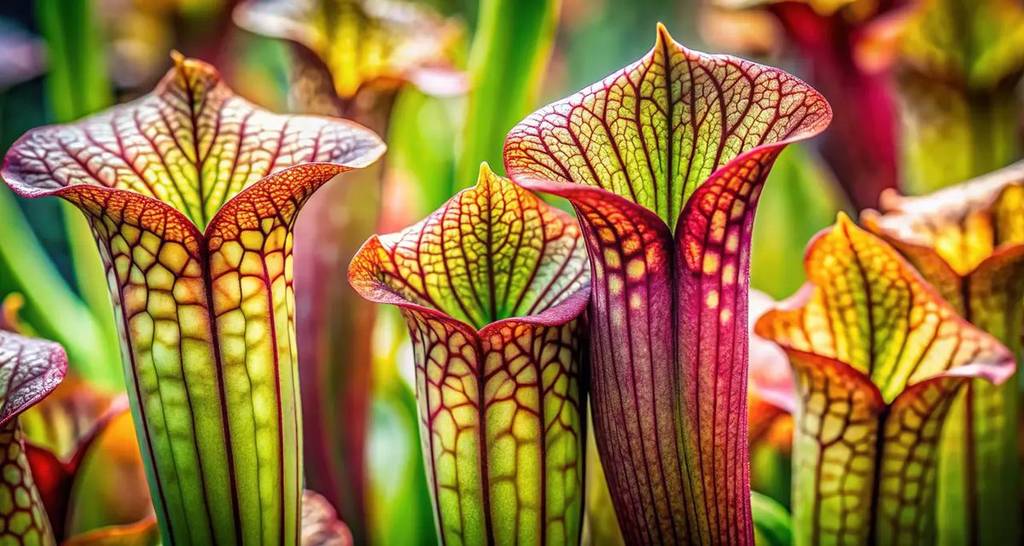
The fear is visceral. You close your eyes in a room filled with lush ferns and towering Monstera, and somewhere in the back of your mind, a quiet panic whispers: you are running out of air.
It’s a common misconception. One rooted in biology class memories, but misinterpreted.
The dread stems from how plants “breathe.” During the day, photosynthesis turns leaves into oxygen factories. They suck in carbon dioxide (CO2) and water, then exhale pure O2. It’s miraculous. It’s essential. But the sun goes down. The process stops.
And here is where the myth takes root.
At night, plants do not produce oxygen. They switch modes. Like you and me, they consume oxygen and release CO2 as part of cellular respiration. The logical leap humans make is terrifyingly simple: if plants breathe out CO2 at night, and CO2 can kill you, then a room full of plants at night must be deadly.
It isn’t. But to understand why, you have to look at the numbers. Really look at them.
The Math of Suffocation
Let’s talk about volume. Not the size of the pot, but the volume of gas exchanged.
An average adult human exhales roughly 2.3 kilograms of CO2 every single day. That’s over two pounds of carbon dioxide pumped into your environment while you sleep, work, and move. It’s a steady, significant output.
Now, compare that to a houseplant. A medium-sized Ficus or a sturdy Sansevieria (snake plant).
These plants are not breathing out pounds of gas. They are exhaling grams. Specifically, a typical indoor plant emits just a few grams of CO2 over an entire night.
Think about that ratio. You are exhaling roughly a thousand times more CO2 than the potted plant on your windowsill.
Where the Danger Actually Lies
For CO2 levels to become dangerous, they need to spike significantly above the baseline atmospheric level. Normal air contains about 0.04% CO2. To cause headaches, nausea, or dizziness, concentrations need to rise into the percent range. To become lethal, they need to go much higher.
Could a plant achieve this?
Only if you treated your bedroom like a vacuum-sealed jar and filled it with a dense jungle of thousands of plants. Even then, you would still be exhaling more CO2 than all the plants combined.
The idea that you will suffocate because of your Monstera is scientifically absurd. The plant’s contribution to the room’s CO2 load is statistically invisible compared to your own.
Why We Fear the Dark
So why does this myth persist?
Perhaps it’s because we associate plants with life, and darkness with death. Or maybe it’s because we don’t see the gas. We don’t see the CO2 leaving the leaves. We only see the stillness.
But the science is clear. The exchange is negligible. Your plant is not stealing your breath. It’s barely making a dent in the air you already share.
Still, keep the window cracked if you want. Not because the plant needs it. Because you do.
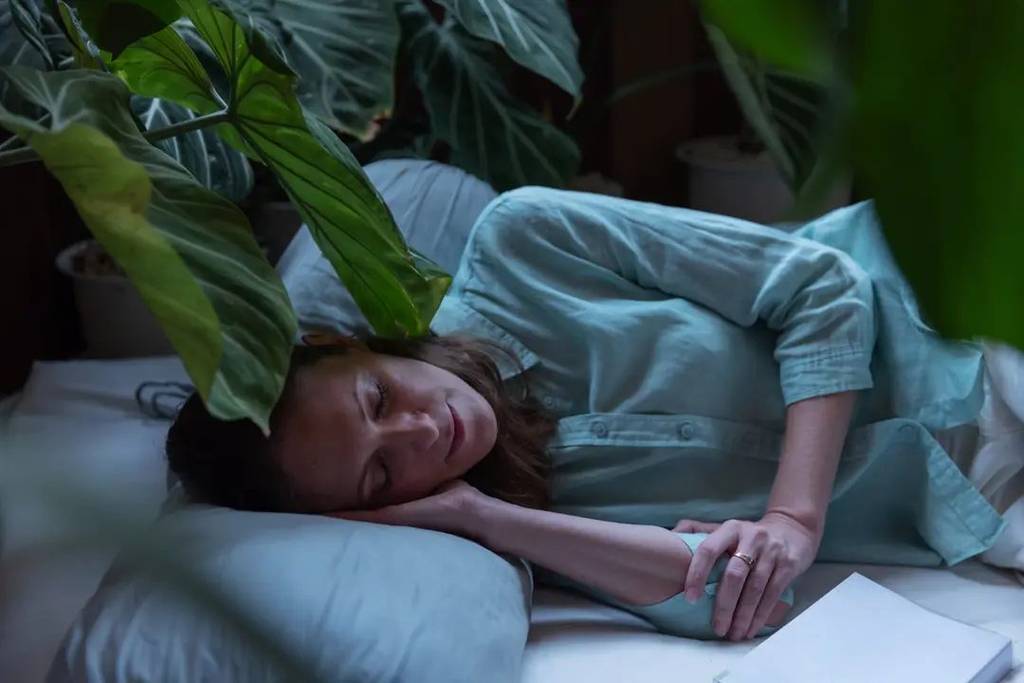
Let’s look at the math, because the numbers tell a very different story than the horror stories you might have heard. The amount of carbon dioxide you and your partner exhale in a single night dwarfs the output of every plant in your bedroom combined. If sharing a bed with another human doesn’t suffocate you, it is logically absurd to think a few potted ferns will. Your respiration is the dominant source of CO2 in the room. By a wide margin.
Why your bedroom isn’t a sealed tomb
The fear stems from a misunderstanding of how air moves in homes. Our houses are not airtight laboratory chambers. There is always some level of air exchange, however minimal. Cracks under doors, leaky windows, and basic pressure differences drive this natural ventilation. Even in tightly sealed modern builds, mechanical ventilation systems work to maintain healthy oxygen levels and dissipate CO2. You are breathing in a dynamic system, not a static box.
The real benefits of indoor greenery
This isn’t to say plants do nothing. They offer tangible, if modest, benefits that go beyond the oxygen myth. Research indicates that certain species can filter specific indoor pollutants like benzene and formaldehyde. These chemicals often off-gas from furniture, paints, and cleaning products. Plants help break them down.
There is also the humidity factor. Through transpiration, plants release moisture into the air. In dry environments, this can soothe respiratory tracts and hydrate skin. It’s a natural humidifier.
Then there is the psychological impact. The evidence is strong. Presence of greenery reduces stress. It improves concentration. It fosters a sense of calm. These are measurable effects on well-being.
Sleeping safely with your flora
So, the anxiety about sleeping next to plants is a false alarm. It is not science; it is intuition misfiring. Plants are allies. They beautify the space. They contribute to slightly cleaner air. They bring a touch of nature into the home.
You can sleep soundly. The only immediate danger to your health while sleeping near a plant is if the pot falls off the shelf and lands on your head. But that’s a structural issue, not a respiratory one.