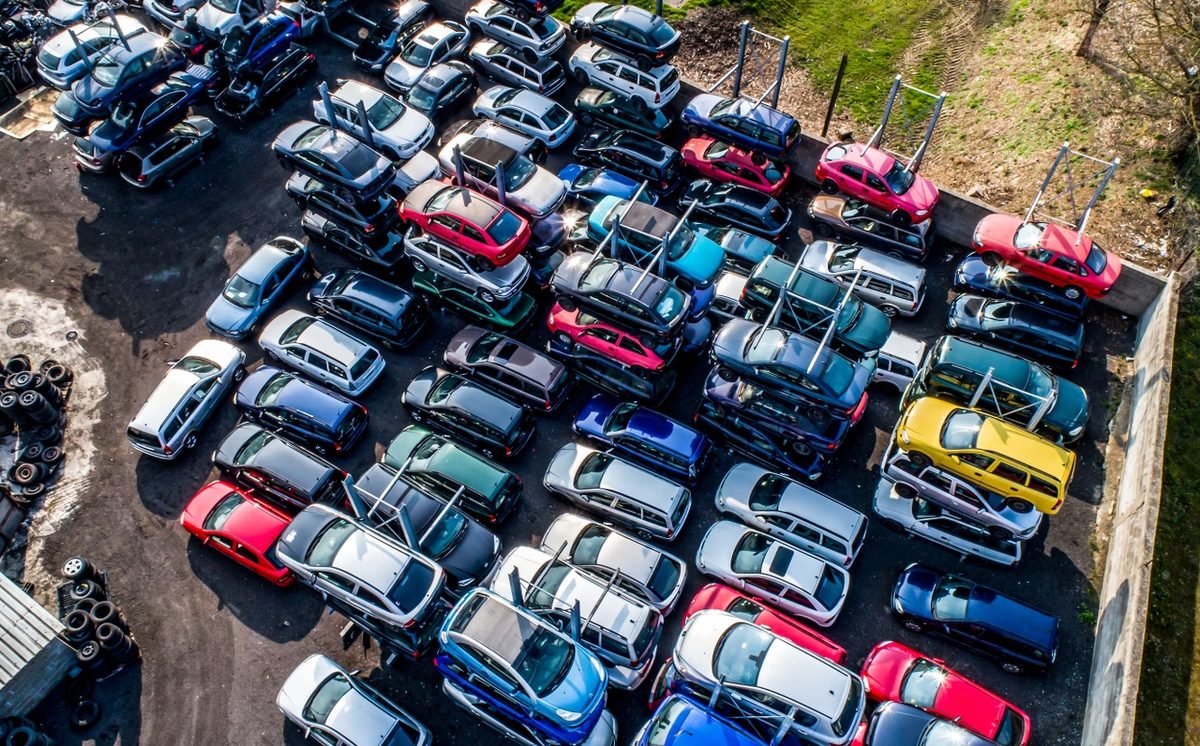
Millions of vehicles hit the end of their road life every single year. The piles of scrap metal and plastic growing from those totals are not just an eyesore. They are a ticking environmental clock.
If we ignore proper management, the damage goes deep. Lead from dead batteries can seep into the soil. Used oils can poison groundwater. It’s a slow leak that eventually reaches the sources we drink from. Landfilling these parts only makes things worse by releasing methane. That greenhouse gas is far more potent than carbon dioxide. Saturated dump sites are already strained. Adding car waste just spikes the risk to local biodiversity.
Beyond Waste: Extracting Value
Recycling auto parts is not about simple disposal. It is a complex extraction process. The goal is to squeeze every bit of value out of a vehicle’s components.
Metals tell a different story. Steel, copper, and aluminum are separated. They are melted down. They are reforged into new products. The loop closes.
P tires are another beast. They are notoriously difficult to recycle. Yet they find new life in road construction. They become part of the pavement itself. Sometimes they are processed back into raw material for brand-new tires.
Liquids need attention too. Motor oils and other fluids are purified. They are reconditioned. They return to the road in other vehicles. Or they fuel different industrial applications entirely.
“Recycling automotive parts is an integrated approach combining environmental respect, economic benefits, and technological innovation.”
This isn’t just about being green. It’s about economics. It’s about technology. It’s about keeping resources in play rather than letting them rot in the ground. The infrastructure for this exists. The question is whether we have the will to use it correctly.
The system works. But it requires precision. One mistake in handling those hazardous materials can undo years of progress. We are walking a fine line between saving resources and creating new pollution. The technology is ready. The materials are there. We just need to pay attention to how we handle the mess.
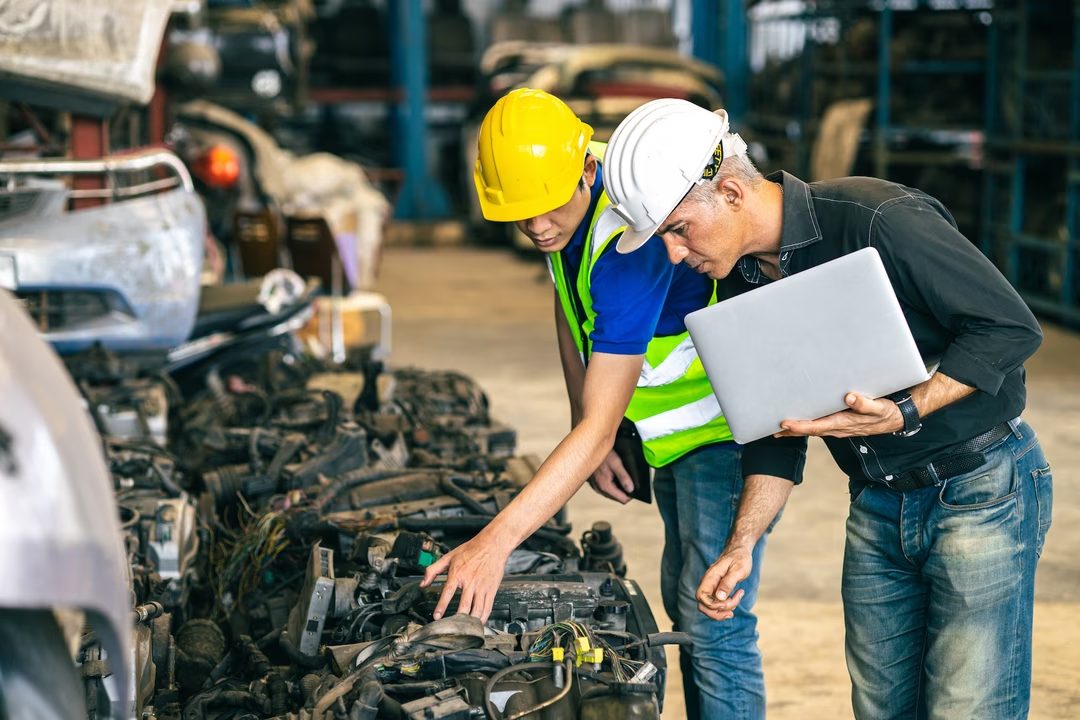
The Real Money in Tearing Cars Apart
Let’s talk about the bottom line, because the economics of end-of-life vehicles are surprisingly robust. We often view recycling as a moral obligation, but in the auto sector, it is a functioning market. When you strip a junkyard of usable components, you are effectively seeding a secondary economy. This isn’t just about saving the planet; it’s about keeping repair costs from spiraling out of control for everyday drivers. A refurbished transmission costs less than a new one. Simple.
This industry doesn’t just move metal; it moves people into jobs. We aren’t talking about high-tech lab coats here. The workforce includes the hands-on dismantlers, the logistics crews moving wrecked sedans, and the technicians remanufacturing parts to OEM standards. In regions where the car industry has been the primary employer, these recycling operations provide a vital buffer against job losses when new car sales dip. It is a stimulant that keeps local economies breathing.
Why Complex Cars Are Harder to Recycle
But it isn’t all smooth sailing. Modern vehicles are material nightmares. Engineers have packed cars with dozens of different plastics, composites, and alloys to meet safety and weight regulations. The result? A puzzle that is expensive and technically difficult to solve at the end of the vehicle’s life.
Recycling certain high-performance plastics is still a financial drag. The technology to separate and purify them often costs more than the value of the recovered material. As long as virgin plastic is cheap and fossil-fuel-derived, the economic incentive to recycle complex polymers remains weak.
Yet, the pressure is mounting. Automakers are beginning to realize that their own success depends on the circular economy. We are already seeing a shift in design philosophy. Manufacturers are starting to engineer cars with disassembly in mind, using fewer material types and standardizing connections. This is how you solve the complexity problem: by preventing it at the drawing board.
“The circular economy isn’t a trend. It’s the only way to keep the supply chain from breaking.”
As technology improves and public awareness of sustainable mobility deepens, automotive recycling will stop being a niche concern. It will become central to how we think about transportation. The cars we drive today are the raw materials for tomorrow. The question is whether we will treat them as waste or as resources.