Plants eat sunlight. We stare at it. What if the two weren’t mutually exclusive?
A team from the National University of Singapore says they’ve found a way. They took the photosynthetic guts out of spinach leaves. Specifically, they extracted thylakoids —those tiny membrane stacks where chloroplasts do their heavy lifting. Then they dropped them right into human eye cells. In the lab. And into the eyes of mice.
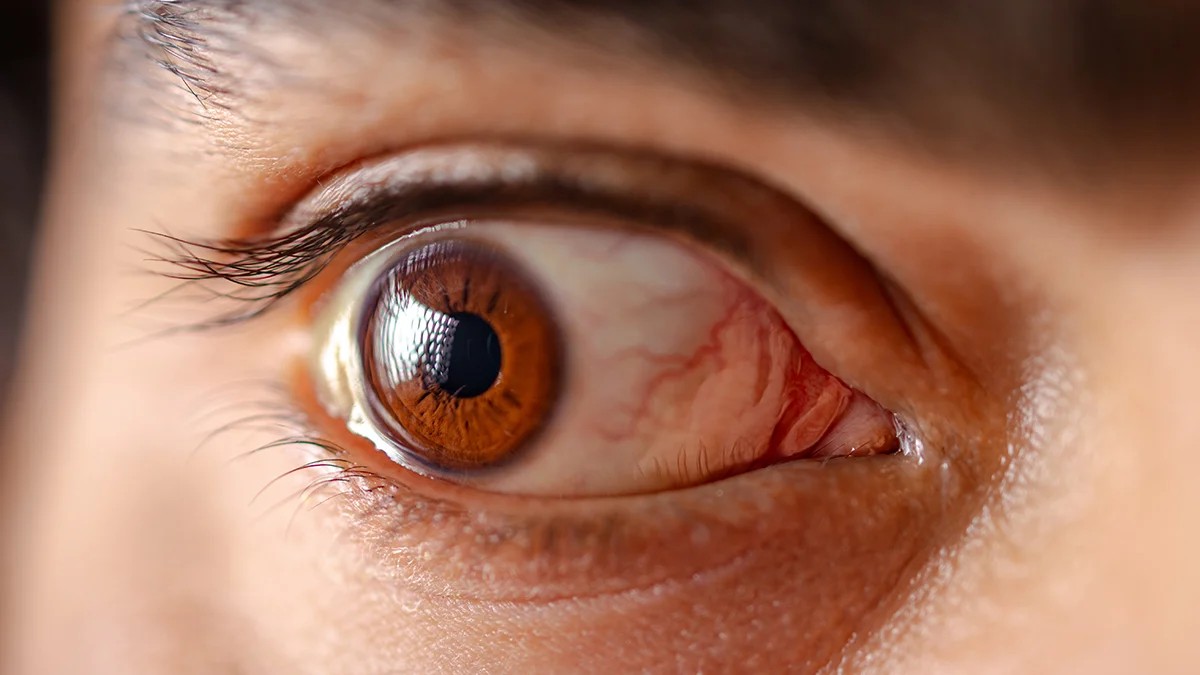
The mice were engineered to suffer from dry eye disease. A painful, gritty condition affecting over a billion people. Usually treated with Restasis, which costs an arm and a leg and makes your eyes burn worse before they feel better. Not a fan favorite.
But this? This works.
When exposed to normal indoor light, the spinach nanoparticles started working. They began churning out NADPH. Think of it as a biological battery. Or better yet, a shield.
“We, too, can have limited photosynthesis abilities.”
— Xing Kuoran, NUS biomolecular engineer
That sentence should stop you in your tracks. We are taking machinery designed to make food from air and light, and we’re using it to fight inflammation. How?
Dry eyes create stress. That stress produces reactive oxygen species. Toxic junk that damages tissue. The spinach particles, when lit up by whatever ambient light is bouncing off the walls, convert that junk back into order. Within thirty minutes. They switched immune cells from an attack state back to protection mode.
And it wasn’t just a petri dish trick. They tested it on tear fluid taken from actual patients with dry eyes.
The results? A 95 percent drop in hydrogen peroxide. A near-total wipeout of harmful oxidants. The fluid stopped attacking the eye. It just… healed.
The tech is called LEAF. Light-reaction enriched thylak NADPH foundry. Catchy. Scientific. Accurate.
In the mice trials, LEAF beat Restasis. The standard of care got trashed by some leaves. The treatment only lasted a few hours. The particles degrade. But it didn’t matter for the trial window. Twice daily drops for five days yielded better results than the pricey, side-effect-laden pharmaceutical.
Is this magic?
Sort of. But the mechanism is solid. Spinach was picked because it’s cheap. It yields high amounts of chloroplasts. And extracting the biomachinery is easier than with almost any other plant. It’s practical. It’s boring, even.
That’s good news for translation to clinics.
There are no devices required. No special UV lamps. Just the light that lets you read this.
But wait. The particles break down. So you’re looking at repeat dosing. Maybe multiple times a day. Is that feasible? We’ll have to wait for the clinical trials, which are already prepped. The authors are eager.
“It is almost surreal when thinking of a future where human cells can have some beneficial form of photosynthetic not only in the eye, but elsewhere, too.”
Leong isn’t just thinking about dry eyes. Inflammatory conditions anywhere. Anywhere light can touch. Maybe your skin? Maybe elsewhere?
The implications are wide open. The science is tight. The fact that we are putting plant chloroplasts in our bodies without digesting them first? That feels like science fiction.
Until Tuesday, I guess.