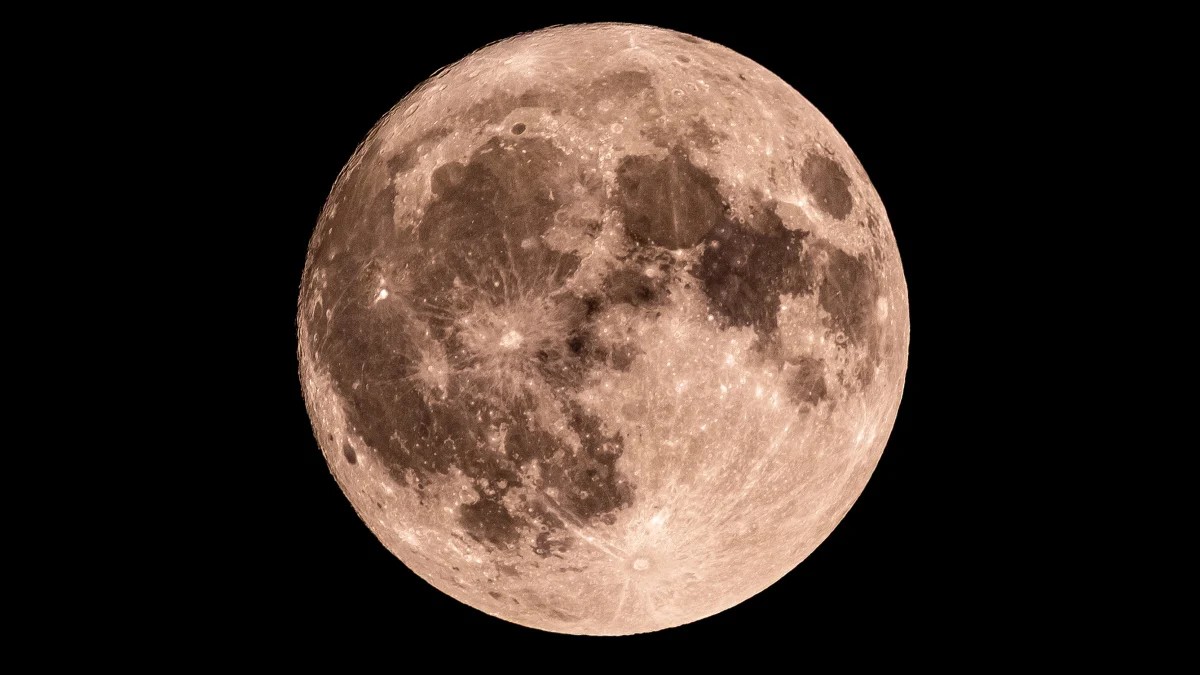
It’s July 19. Look up. If you live in the Northern Hemisphere, the Moon is a skinny slice of light clinging to the right edge of the sky.
That is no accident. You are witnessing a specific geometry between Earth, our satellite, and the sun.
Tonight’s Lunar Spotlight
NASA’s tracker confirms it plainly. The phase is Waxing Crescent. Exactly 29% of the visible surface is bathed in sunlight.
Most people stop at the glow. Stargazers know better. You can spot Mare Crisium (Sea of Solitude) and Mare Fecunditatis (Sea of Fecundity) with just your eyes. They look like dark patches against the brighter highlands.
Got optics? Binoculars or a telescope reveal more. You can pick out Endymion Crater. It sits on the dark edge. Sharp. Cold.
Why Does the Moon Look Different?
The Moon orbits Earth once every 29.5 days. Roughly eight days. Give or take.
Here is the twist: The same face of the Moon always points toward us. Gravity locks it in.
So why the change? It’s light.
As the Moon moves around our planet, the angle of sunlight hitting its face shifts. Sometimes the side facing us is in shadow. Sometimes it is blazing bright.
It isn’t the Moon changing. It is us, standing in a different position relative to the light source.
The Full Cycle: From Dark to Bright
If you want to understand where July 19 fits in, look at the calendar of phases. The cycle is a loop, but it feels like a journey.
- New Moon: The Moon slips between Earth and the sun. We see nothing. Total darkness. Invisible against the day or night sky.
- Waxing Crescent: That thin sliver on the right. This is today. Growth is slow at first.
- First Quarter: Half lit. Specifically, the right half. It looks like the letter ‘D’ if you squint.
- Waxing Gibbous: More than half. Bulging. Approaching completion.
- Full Moon: July 29. Mark your calendar. The entire face is illuminated. Bright enough to read by.
- Waning Gibbous: Light begins to fade from the right. (In the Northern Hemisphere.)
- Third Quarter: The other half. Left side lit. Looks like a ‘C’.
- Waning Crescent: A tiny sliver on the left. Fading to black.
The cycle restarts.
Looking Ahead
The next Full Moon lands on July 29. Ten days from now.
Ten days for that waxing sliver to become a bright disc. A lot can happen in a week. But the Moon? The Moon is precise. Indifferent to your schedule.
It keeps spinning. We keep watching.