


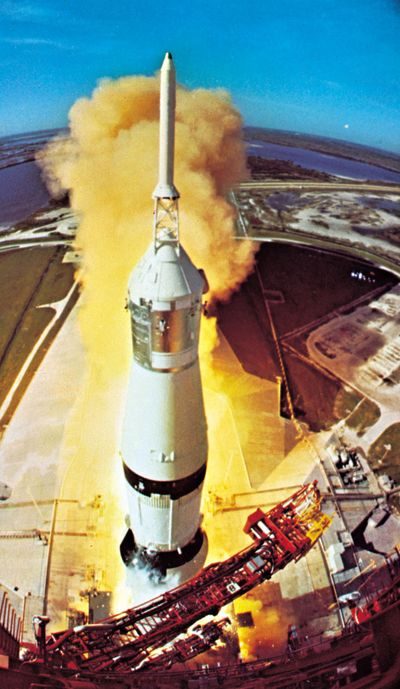

The history of space exploration is often defined by the vehicles that propelled humanity into the void, and the Saturn series is considered one of the most significant technological achievements of the 20th century. The United States developed these large two- and three-stage rockets beginning in 1958, and they formed the backbone of the Apollo program, the ambitious effort to land men on the moon. Without them, the jump from Earth’s orbit to the surface of the moon would have remained science fiction.
The story begins with the Saturn I, the first US rocket built specifically for space travel and not just for testing ballistic missiles. It was a two-stage vehicle that ran on liquid fuel. In the early 1960s, it played a crucial, if less glamorous, role: launching unmanned test versions of the Apollo spacecraft and various satellites into Earth orbit. This work was crucial in demonstrating that the spacecraft could survive the environment before endangering lives.
The program began on October 27, 1961. The first shot was just the beginning. Nine more successful launches followed, each refining the technology and increasing confidence in the system. These tests allowed engineers to optimize control systems and structural integrity in ways that theoretical models could not predict.
As the goal shifted towards manned missions, technology evolved. The Saturn IB was created as an improved version of the original model. Between 1966 and 1968, it became the workhorse of both unmanned and manned Apollo Earth orbit missions. These flights weren’t just about getting into space; they were about living in it. Saturn IB allowed astronauts to test life support systems and orbital maneuvers in preparation for future journeys into space.
Once the moon landing was confirmed, the Saturn IB did not retreat quietly. It played a crucial role in the next phase of US space travel. It was used to transport crew to Skylab, the first US space station, launched in 1973. Additionally, the historic Apollo-Soyuz test project was completed in 1975, marking the first joint US-Soviet spaceflight. This cooperation marked a transition from competition to cooperation in low Earth orbit.
These rockets did more than just launch metal cans into the sky. They demonstrated that the US could execute complex, multi-stage launches with precision. Data collected from ten Saturn I launches laid the groundwork for the more powerful Saturn V, which would eventually take humans to the moon. But the legacy of earlier Saturn models is often overlooked. They were the training wheels for the most famous rocket in history.
The transition from unmanned testing to manned missions was not instantaneous. It required a series of gradual successes. Each launch increased reliability. The Saturn IB in particular showed how adaptable the original design could be. It served in several roles for over a decade. From testing the Apollo capsules to supporting the Skylab station, it remained a constant presence in America’s space operations.
Why does this matter now? Understanding the Saturn program provides context for modern space travel. It reminds us that reaching the moon was not a one-off miracle, but a series of calculated risks. The technical challenges solved by the Saturn teams – propulsion, guidance, structural loads – are still relevant. As new rockets, such as the Space Launch System
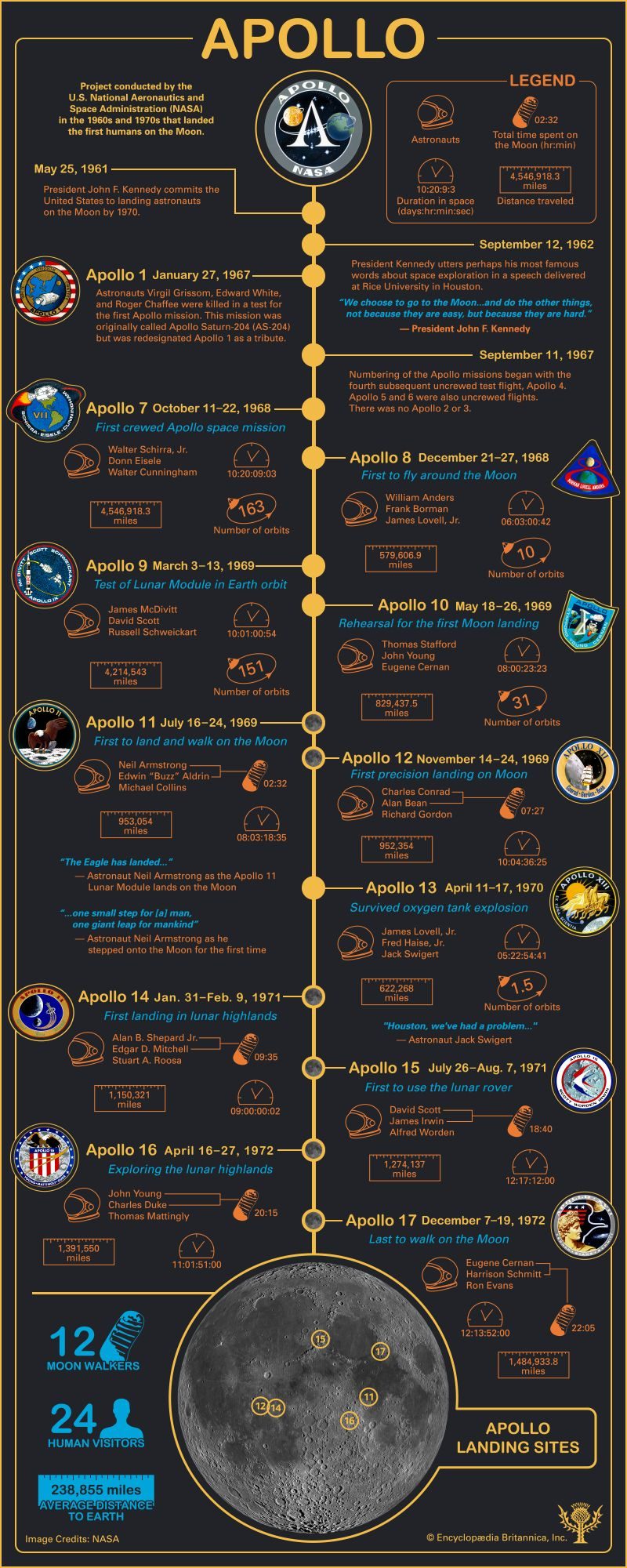
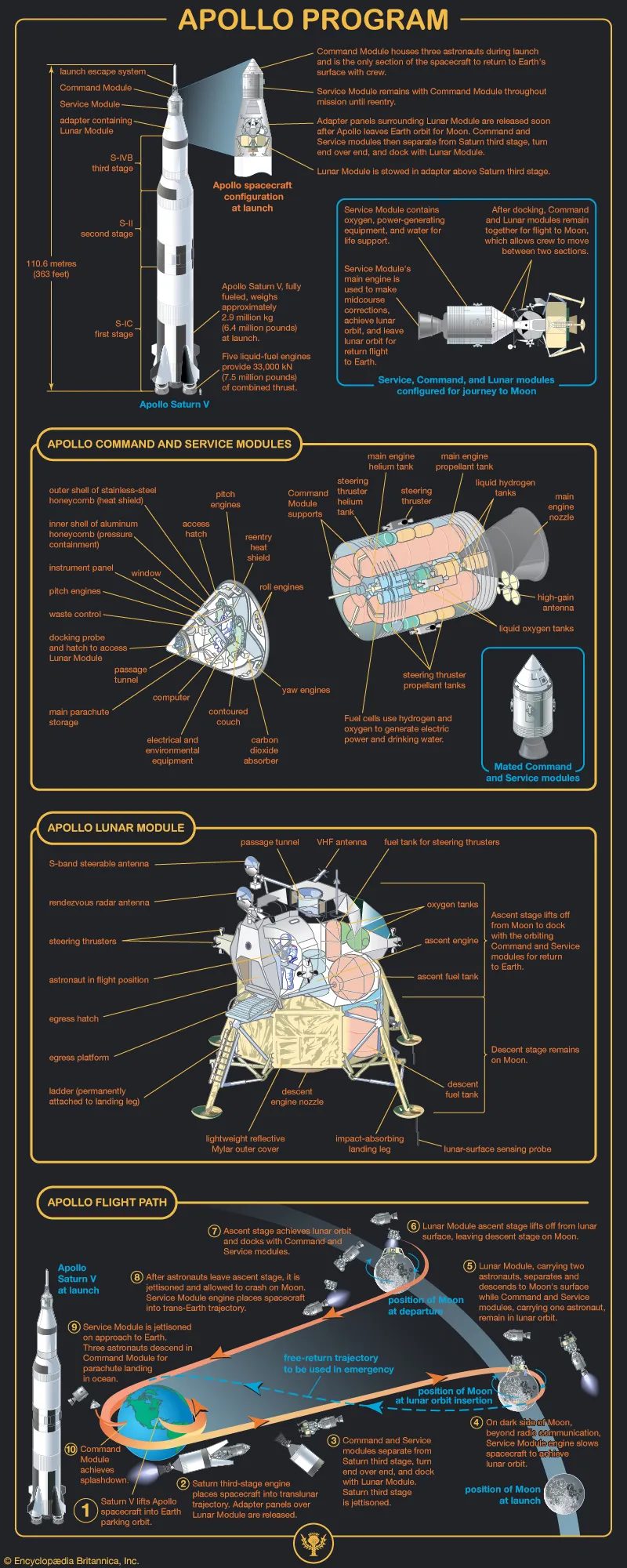
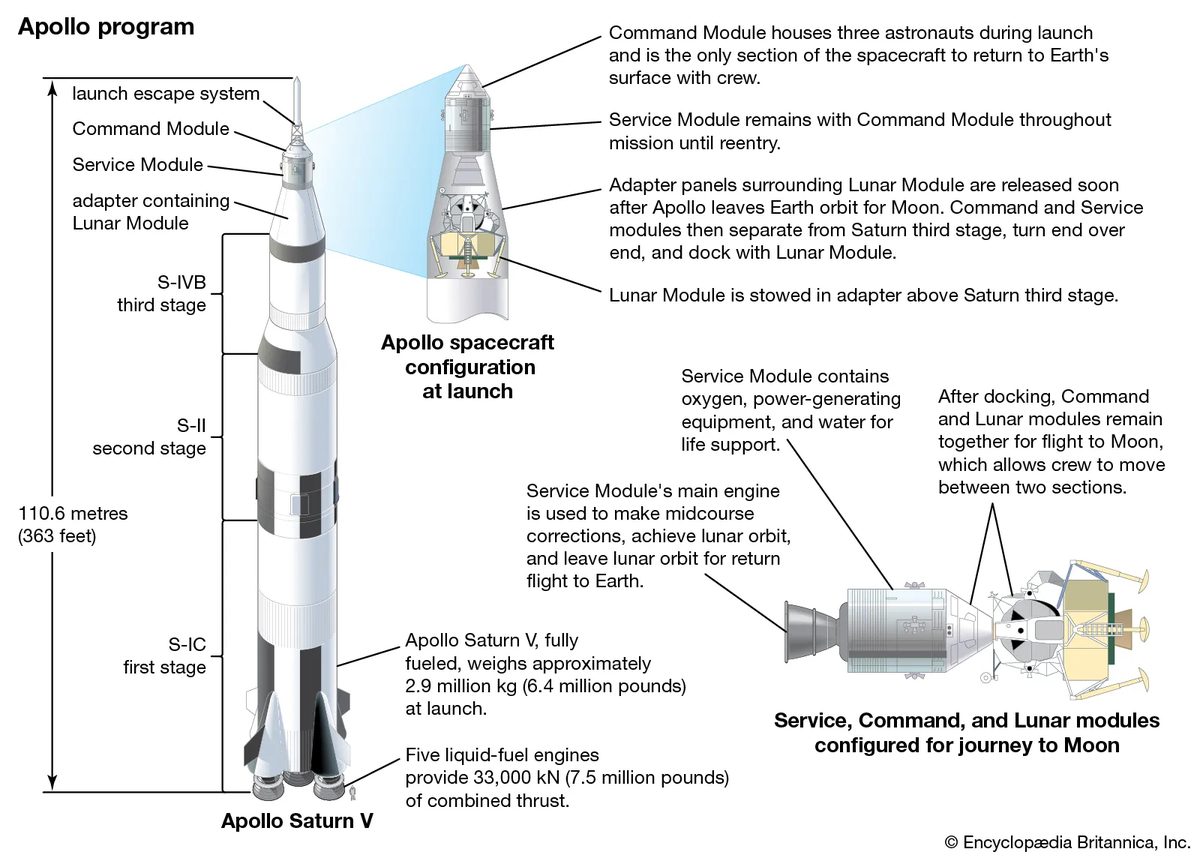
The Saturn V wasn’t just a rocket. It was a three-stage beast built for one purpose: to take men to the moon during the Apollo program. The first launch was on November 9, 1967. This single machine flew ten crew missions between 1968 and 1972. Apollo 8 – Apollo 17 all rode on its back. In 1973, the last unmanned flight took place, putting the Skylab space station into orbit.
Stage One: Breaking the Sky
Let’s see how it actually got off the ground. The first stage was a monster. With a full tank, it weighed more than 2,000,000 kg. That’s around 4,400,000 pounds. It had five huge engines burning kerosene and liquid oxygen.
These engines lifted the whole stack – the first stage, the second stage, the third stage and the Apollo spacecraft. They accelerated the vehicle to 8700 km/h. That’s about 5,400 miles per hour. They reached an altitude of about 60 kilometers or 40 miles. At this height, the first stage separated. It was dropped. Dead weight jettisoned.
The Second Stage: Push into orbit
Then the second stage took over. It was lighter but still heavy, weighing over 450,000 kg with a full tank. Instead of kerosene, liquid hydrogen and liquid oxygen were used at this stage. Five smaller engines accelerated the ascent.
They increased the speed to over 22,000 km/h. Almost 14,000 miles per hour. The spacecraft reached an altitude of about 190 km (120 mi). At this point, the second stage also detached.
Now came the third stage. It had one liquid fuel engine. It burnd for about 2.5 minutes. This burn accelerated the spacecraft to 27,400 kilometers per hour, or 17,000 miles per hour. Enough to get into a temporary parking orbit around the Earth.
The transition from parking orbit to translunar injection required precise timing and second engine firing.
Translunar injection
The astronauts didn’t stop there. They re-ignited the third stage engine. It burned for another 5.5 minutes. The cut-off height was about 300 km. The speed was about 40,000 km/h. That’s 25,000 miles per hour.
That speed was the key. It was fast enough to completely break the Earth’s gravitational grip. Hours later, with the spacecraft safely away, the third stage was jettisoned. The Apollo spacecraft continued on its own and coasting towards the moon.
It’s crazy to think about the math involved in these burns. Two and a half minutes. Then five and a half minutes. That’s it. The difference between orbit and interplanetary travel is measured in fractions of a minute and thousands of kilometers per hour.
The Saturn V just didn’t fly. It orchestrated a complex, multi-stage departure to the only home we’ve ever known. And reliably.