


You may never have heard of organic sulfur compounds, but you’ve probably smelled their effects. These are organic substances that contain sulfur and are found everywhere. They exist in strange, extreme places like interstellar clouds, fiery acid volcanoes, and deep ocean trenches. But they are just as important here at home.
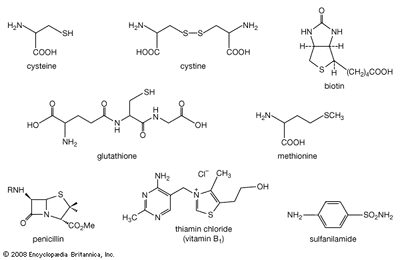
In fact, they are built into you. Every living thing depends on them. They appear as essential amino acids such as cysteine, cystine and methionine. These are the building blocks of proteins. They are also part of glutathione, a tripeptide that helps control oxidative stress. Enzymes, coenzymes, vitamins, and hormones all depend on these sulfur-containing molecules to function.
Their reach is what makes them so useful. They are not just biological needs. They are chemical chameleons. This adaptability explains why they thrive in such diverse environments. From the cold vacuum of space to the heat of a volcano, sulfur chemistry endures.
Biological backbone
Why do we need them? Because life is based on complex interactions. Sulfur offers a unique stability that carbon and hydrogen cannot always provide. When sulfur combines with carbon, it creates structures that can easily break and reform. This is key for enzymes. This allows them to catalyze reactions without breaking down.
Consider methionine. It is an essential amino acid. Your body can’t make it. You have to get it through food. Without it, protein synthesis stops. Cysteine is similar. It forms disulfide bridges. These bonds hold the proteins in their correct shape. A misfolded protein does not work. It can cause illness. So, these compounds are not just present. They are active players.
Outside the body
The story doesn’t stop at biology. These compounds are also found in space. Astronomers find them in interstellar clouds. This suggests that the ingredients of life are out there, floating in the dark. That’s a hint. The whisper that chemistry is universal.
Then there are the volcanoes. Hot, acidic, and harsh. Organic sulfur compounds remain there. They show resilience. They adapt to pressure and heat. This makes them interesting to biologists studying extremophiles. How do organisms thrive where others die? The answer is often found in sulfur chemistry.
Similar processes occur in the deep oceans. Hydrothermal vents spew mineral-rich water. Organosulfur compounds help bridge the gap between non-living chemistry and early life. They may have been the first molecules to form complex structures.
Solid thread
What unites these different facts? The element sulfur. It’s common. It is reactive. It is versatile. By studying organosulfur compounds, scientists learn more about the origin of life. They learn about the chemistry of the universe. They learn to protect their own cells from damage.
Glutathione is a good example. It is a tripeptide. It contains cysteine. It neutralizes free radicals. Without it, the cells would break down faster. It’s a defense mechanism. A shield. It all depends on the special properties of sulfur.
The diversity of places—space, volcanoes, oceans, bodies—shows a pattern. Sulfur is a unifying element. It links

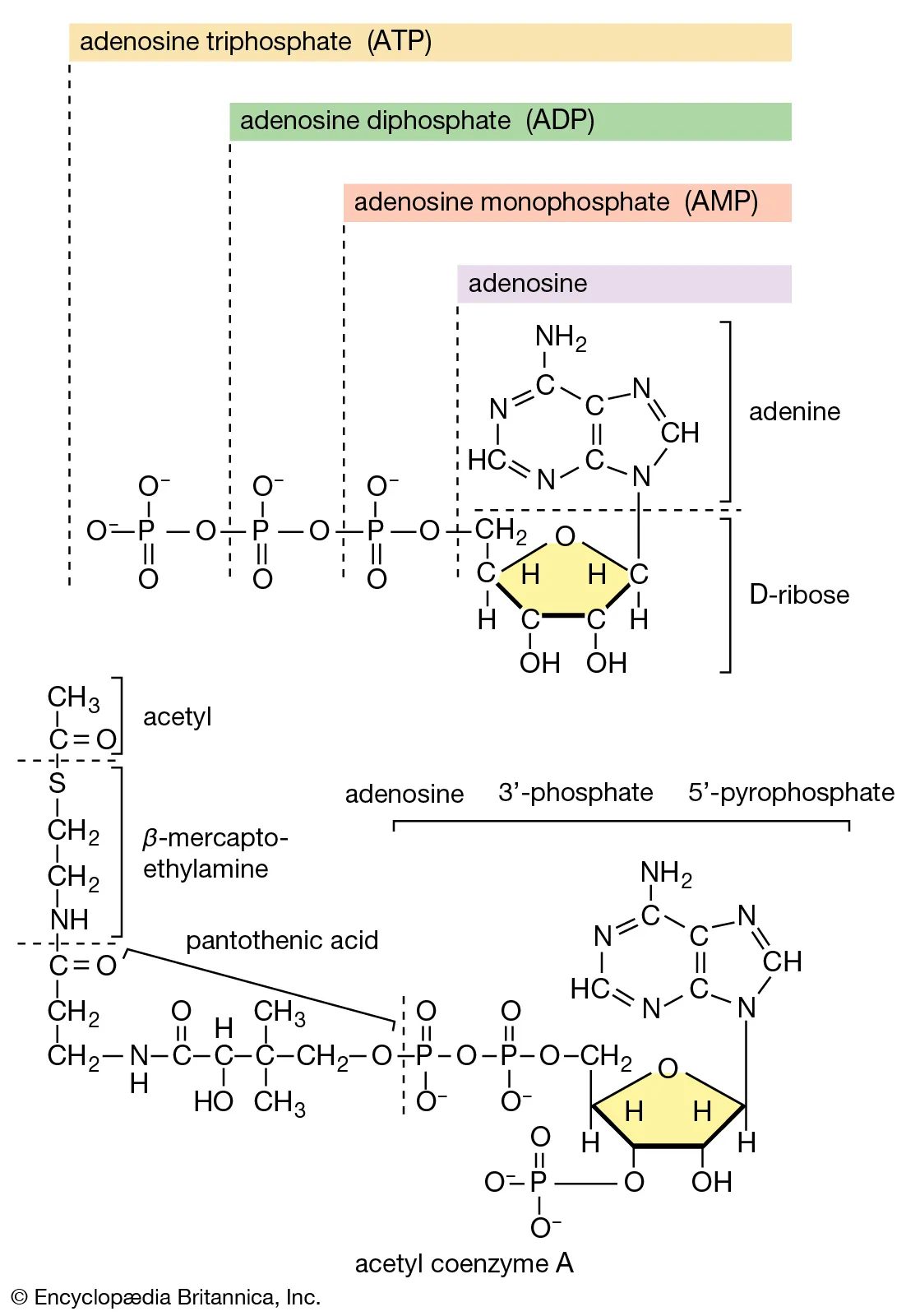

Life runs on sulfur. It makes up about 2 percent of an organism’s dry weight. Without it, the machinery of biology stops. We see it in Coenzyme A, which powers cellular metabolism. It’s in biotin and thiamin. It’s in the structure of insulin and oxytocin. Even the enzymes that fix nitrogen in soil rely on sulfur. These aren’t just traces. They are essential.
But the story of sulfur is split down the middle.
On one side, you have the stink. Simple organosulfur compounds, like thiols, are revolting to humans and most animals. We detect them at incredibly low levels. Some species use these compounds as defensive secretions. Others are the result of pollution. When we burn sulfur-rich fossil fuels, the air turns sour. The water smells off. It is a chemical reminder of toxicity.
On the other side, you have the delight.
The same class of molecules that smells like rotten eggs also defines the flavor profile of some of the world’s best foods. Garlic. Onion. Chives. Leeks. Broccoli. Cabbage. Radish. Asparagus. Portobello mushrooms. Mustard. Truffles. Even coffee and pineapple contain these sulfur notes. They are not pollutants here. They are aromatics. They are gustatory gifts.
From Warfare to Medicine
The versatility of sulfur compounds extends far beyond biology. Consider mustard gas (bis(β-chloroethyl) sulfide). It is a potent chemical warfare agent. One molecule can devastate tissue. It is a weapon of mass destruction.
Yet, in the hands of pharmacists, sulfur becomes a shield. Sulfanilamide, one of the first sulfa drugs, relies on sulfur to fight infection. Penicillin contains sulfur in its core structure. Cephalosporins do too. These are valued antibiotics. They saved millions of lives. The difference lies in the molecular context. The same element that kills can heal.
Synthetic Applications of Organosulfur Compounds
Beyond nature and medicine, synthetic organosulfur compounds drive modern industry. They are not just niche chemicals. They are foundational materials.
- Polysulfones : These are inert polymers. They are used in the transparent face shields worn by astronauts. Why sulfur? It provides resistance to heat and chemicals.
- Polythiophenes : These materials conduct electricity like metals. They are critical in the development of organic electronics.
- Agricultural Chemicals : Insecticides often rely on sulfur-based structures to target pests without harming crops.
- Solvents : Dimethyl sulfoxide (DMSO) is a powerful solvent in chemical research. Carbon disulfide is another key player.
- Industrial Additives : From dyes to lubricating oil constituents, sulfur compounds enhance performance.
- Rayon Production : Substances derived from organosulfur chemistry are used to make this semi-synthetic fiber.
In the lab, these compounds are prized reagents. They are widely used to synthesize new compounds. They allow chemists
为什么硫的行为与氧不同
硫的化学感觉就像我们每天遇到的熟悉的有机化合物的平行宇宙。 虽然氧和氮在元素周期表的第二行占据主导地位,但硫却稳居第三行。 这种向下的转变改变了一切。 这不仅与原子质量有关,更在于。 这是关于所涉及轨道的绝对物理尺寸。 硫使用 3s 、3p ,偶尔也使用 3d 轨道。 它们比氧和氮使用的紧凑 2s 和 2p 轨道要大得多且更分散。
较大的轨道意味着外层价电子距离原子核更远。 原子核的正电荷不会将它们紧紧地固定住。 这些电子更具极化性。 他们更容易扭动。 它们比较轻的元素更早、更容易地与亲电子试剂结合,这需要一种紧密、精确的方法来形成键。
在水或醇等质子溶剂中,硫被弱溶剂化。 相比之下,氧原子被紧紧包裹在溶剂化壳中。 为了发生反应,硫等较重的杂原子必须突破这个壳层。 它们的高极化率与松散的溶剂化相结合,使它们具有令人惊讶的反应性。 它们成为有效的亲核试剂。 当然,他们最终会形成更牢固的联系。 但对于硫来说,实现这一目标的道路更为顺利。
硫醇与金属的结合
This reaction can have real consequences. Divalent sulfur compounds combine easily with heavy metals. Thiols (containing an “SH” group) and sulfides (containing an “S” group) bind to silver, mercury, lead, and cadmium.
This affinity is so strong that 硫醇还有另一个名字:硫醇. The term is derived from the Latin word mercurium captans, which means “captured mercury”. Historically, this property has been used to treat mercury poisoning. Sulfur traps and neutralizes toxic metals.
生命也依赖于这种结合. The interaction between divalent sulfur and ions such as iron, molybdenum, zinc and copper is the basis. They are important for metalloenzymes. Let’s take cytochrome c as an example. The sulfur of the methionine residue directly coordinates with the iron of the heme group. Iron-sulfur proteins rely on cysteine sulfur to bind iron. Enzymes containing molybdenum often use 二硫醇辅因子. Without the flexible bonds of sulfur, these biological machines cannot function.
Comparison of chalcogen elements
It may be useful to 观察硫的邻居. Oxygen is directly above it. Selenium is directly below. They form a family called chalcogens. Their structural similarities are striking.
Alcohol (R-OH) is related to thiol (R-SH) and selenol (R-SeH). Ether (R-O-R) becomes sulfide (R-S-R) and selenide (R-Se-R). Ketones are converted to thiones (R-C(=S)-R) or selenones (R-C(=Se)-R). Peroxides become disulfides (R-SS-R) or diselenides (R-SeSe-R). Even charged salts follow the pattern of oxonium (R3O+), sulfonium (R3S+), and 硒鎓离子 (R3Se+).
However, the 相似性在性质分歧处终结. The difference is obvious.
酸度、气味和挥发性
硫醇是比其醇对应物更强的酸。 S―H 键比 O―H 键弱。 较大的硫原子比氧更好地分散所产生的负电荷。 这使得质子更容易被去除。 出于同样的原因,硒醇的酸性甚至比硫醇更强。
氢键则讲述了一个不同的故事。 SH氢键比OH键弱得多。 因此,硫醇更易挥发。 它们的沸点较低。 甲硫醇在 6 °C (43 °F) 时沸腾。 甲醇的沸点为 66 °C (151 °F)。 这是由分子间力引起的巨大间隙。
然后就是气味。 众所周知,低分子量硫醇和硫化物是令人不愉快的。 他们很令人讨厌。 硒醇具有这一特征。 这种感觉会随着浓度的变化而改变——一些硫化合物在微量时闻起来令人愉悦,在较高剂量时闻起来很臭。 但一般来说,硫化合物的气味很难闻。 也许这是一个进化的警告系统。
稳定性和反应性差距
二硫化物和二硒化物比过氧化物稳定得多。 锍盐和硒盐的反应性比氧盐低得多。 然而,简单的硫代羰基 (C=S) 和硒代羰基 (C=Se) 化合物的反应性远高于标准羰基 (C=O)。
为什么? 轨道不匹配。 碳和氧之间的双键使用类似的 2p 轨道。 匹配非常紧密。 碳和硫之间的双键将碳 2p 轨道与硫 3p 轨道配对。 尺寸也不一致。 重叠度较差。 这使得键更具反应性。
In addition to oxygen
Sulfur and selenium can expand in valency. These form compounds in higher oxidation states that have no counterparts in 氧化学. Oxygen stops. 硫拥有多种选择.
Sulfoxides (R2S=O), sulfones (R2S(=O)2), sulfonic acids (RSO3H), and oxosulfonium salts (R3S+=O) are all possible. Selenium analogues also exist. These higher valence structures are stabilized by participation in the 3d orbital of sulfur or the 4d orbital of selenium. Oxygen does not have these orbitals.
硫和硒较大的尺寸 also play a role. Allows for longer and weaker bonds. They increase polarizability. These factors contribute to the unique properties and reactions of sulfur compounds. They make sulfur a chameleon of organic chemistry, changing its behavior in a way that oxygen cannot. Its influence ranges from industrial solvents to biocatalysts, all rooted in 第三周期物理.
Analyzing sulfur requires more than just performing standard organic tests. We need to look for what is unique about sulfur. In a mass spectrometer, molecules typically contain a charge in their sulfur atoms, which produces a strong signal. A clear peak at 4.4% for sulfur-34 (the heavier isotope next to normal sulfur-32) indicates that sulfur is present. This is a trusted fingerprint.
Nuclear magnetic resonance (NMR) can also capture organically bound sulfur-33. However, this is even trickier. This isotope is rare, with an abundance of only 0.76%, and a weak magnetic moment. Protons or carbon-13 are easier to read. Sulfur-33 is fighting for attention.
Why is this important? Because even small amounts of sulfur in crude oil can damage catalysts and cause odors in refineries. We are talking about levels of as low as 10 ppb. Although this cannot be detected by smell, it can have disastrous consequences for chemical processes. To capture these ghosts, analysts use gas chromatography and special detectors. Sulfur chemiluminescence or atomic-emission detectors light up when they detect small amounts of sulfur, ignoring everything else around them.
Organic compounds of bivalent sulfur
当硫仅与其他两个原子结合时,我们就进入了二价硫的领域。 这些化合物的行为与其四键或六键表亲不同。 它们具有反应性,通常不稳定,并且是许多生物和工业过程的核心。
硫醇
硫醇是醇的硫类似物。 将氧换成硫,就得到硫醇。 它们闻起来很浓烈。 臭鸡蛋、臭鼬喷雾、天然气泄漏。 人类的鼻子对它们非常敏感,这就是为什么我们将它们添加到无味气体中作为安全警告。 但除了气味之外,硫醇还推动化学反应。 它们在蛋白质中形成二硫桥,将结构锁定到位。 打破这些桥梁,蛋白质就会展开。 在实验室中,硫醇既难以处理,又是强大的合成工具。
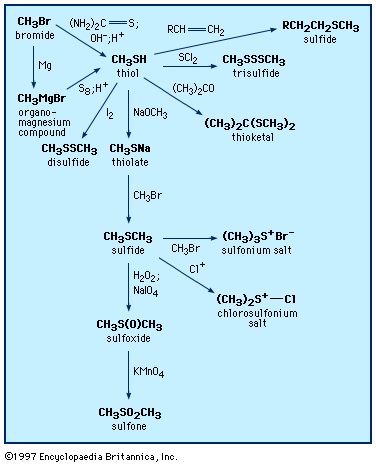

How thiols are named and why they smell like skunk
Thiols are sulfur relatives of alcohols. Alcohol molecules have oxygen and hydrogen bonds, but thiols exchange oxygen for sulfur, forming a -SH group. Chemists call these compounds thiols. The name comes from the word “mercaptan” because it binds strongly to mercury. When working with these substances, you will encounter three different naming conventions.
The most common way is to add the suffix -thiol to the name of the parent hydrocarbon. Let’s take CH3CH2CH2CH2SH as an example. It’s just butanethiol. -SH If the group is a side chain instead of a main group, you can use the prefix mercapto-. A typical example is mercaptoacetic acid (HSCH2COOH), where the sulfur group is suspended from the main structure. A third system replaces “o” in the names of oxygen-based compounds with “thio”. This changes the phenol to thiophenol, more precisely known as benzenethiol (C6H5SH).
These compounds are more than just laboratory curiosities. They are woven into biology and everyday life.
Natural Sources and the Skunk Connection
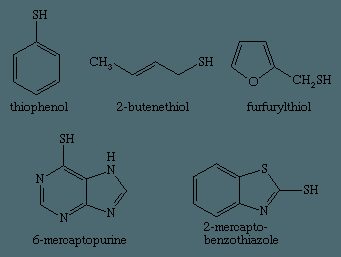
There are large amounts of thiols in nature. The structures of the amino acid cysteine and the antioxidant glutathione are based on both sulfur-hydrogen bonds. But the most famous example is defensive. Skunk spray contains 2-butenethiol. It is potent. It is pungent.
Human exhalation is also a thiol factory, at least temporarily. Eating enough garlic excretes 2-propanethiol, also known as allyl mercaptan. If you are a coffee lover, you may be familiar with furfurylthiol. This is one of the main compounds that gives freshly brewed coffee its rich and attractive aroma.
The odor of low molecular weight thiols is usually unpleasant. They have a strong skunky, or rotten-egg odor and can be smelled by humans at concentrations as low as 0.5 ppb in the air. Ethanethiol and benzenethiol are detectable at this low threshold.
This sensitivity helps safety. Natural gas is naturally odorless. So that leaks do not go unnoticed, manufacturers add odorants. 2-Methyl-2-propanethiol is one such agent. It acts as a warning system. If there is a smell it, there is a leak.
Complex odors and medical applications
Not all thiols smell bad. Context matters. Sauvignon Blanc wine contains 4-mercapto-4-methylpentan-2-one (C6H12OS). In small amounts it gives a pleasant tropical notes. As the concentration increases, the smell becomes unpleasant. It’s a delicate balance.
In addition to odors and safety, thiols have industrial and medical uses. 2-Mercaptobenzothiazole acts as a rubber vulcanization accelerator. Helps turn raw latex into durable tires. Also used as a corrosion inhibitor.
In medicine, 6-mercaptopurine is a thiol-based drug. It has been used in the treatment of cancer for decades. Interferes with DNA synthesis in rapidly dividing cells. The chemistry is complex. The applications are serious.
The presence

Binding of gold and sulfur and application of nanotechnology
When long-chain alkanethiols come into contact with metallic gold, they act like molecular alligator clips. These are tightly bound to form a self-assembled monolayer (SAM). These structures are the basis of nanotechnology. They are formed on flat two-dimensional surfaces and three-dimensional gold particles.
The connection is strong. Gold and sulfur attract each other at about 160 kilojoules per mole. Applying lateral van der Waals forces (10–20 kJ/mol) between the chains preserves the structure. In the case of functionalized thiols, dipole interactions also play a role. These three-dimensional structures are called monolayer-protected clusters (MPC). These are essentially particle versions of 2D-SAM.
These layers can be built on very pure gold. Thiols work quickly. Disulfides are adsorbed more slowly, and adsorption takes about 40 percent longer. The length of the chains varies. Some have carbons C3-C24. You can customize the heads to suit your application. Water-soluble groups such as amino acids and polyethylene glycol can be added. Alternatively, aromatic rings, silicon, fullerenes and ferrocenes can be used.
This flexibility drives applications across multiple domains.
* Materials science: Nanoelectronics and thin films.
* Chemistry: Catalysts and chemical sensors.
* Biology: Biosensors and drug delivery.
Redox chemistry in biology
The exchange between thiols and disulfides is an important redox reaction in biochemistry. It involves the movement of electrons. The potential of this system allows biological reducing agents such as NADH to cleave disulfide bonds. NADH has a suitable redox potential for this function.
Here we focus on cysteine-containing proteins. Cysteine provides a sulfhydryl (thiol) group. This group is active in many enzymatic processes.
Glutathione (GSH) is also a major player. It has sulfhydryl groups in its cytoplasm. Regulates oxidation and reduction. It also supports the transfer of nitric oxide (NO). Protects cells from free radical damage.
GSH reacts with NO to form S-nitrosoglutathione (GSNO). This molecule inhibits platelet aggregation. This helps in coronary angioplasty. GSNO and similar S-nitrosothiols occur in the body. They stock and ship NO. NO regulates many physiological functions. Copper ions help release nitric oxide from these bonds in the body.
Sulfur sources and enzyme protection
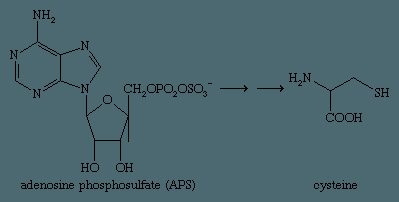
The sulfur in cysteine and other compounds comes from sulfates in the soil. Cells reduce and use this sulfate. Direct reduction is difficult. Therefore, plants and bacteria first produce adenosine phosphosulfate (APS).
This process is divided into several steps.
1. Reduction of groups within APS to sulfite (SO32-).
2. Sulfite turns into hydrogen sulfide (H2S).
3. H2S is a precursor of cysteine and other organic sulfur compounds.
Enzymes also rely on sulfur chemistry for protection. Glutathione peroxidase prevents damage caused by lipid hydroperoxide free radicals. This enzyme contains selenium. In particular, its active site has selenocysteine.
Reactions follow certain cycles.
* Enzymes reduce hydroperoxides.
After oxidation, it becomes selenenic acid (RSeOH).
Glutathione converts it to selenyl sulfide (ESeSG).
* Another glutathione molecule reacts to regenerate the original enzyme (RSeH).
* This produces glutathione disulfide (GSSG), which is reduced to glutathione to maintain the cycle.
The intermediate sulfur-selenium bond is more reactive than the regular sulfur-sulfur bond. This efficiency is important. Free radicals are constantly attacking cells. Without this sulfur-powered machine, the damage would have accumulated much faster.

Sulfur does not last long in the animal kingdom. It breaks down and is excreted from the body in the form of inorganic sulfates. But before that happens, sulfur-containing amino acids and other compounds play out a complex drama inside cells. Especially thiols and their derivatives play an important role.
Think of thiols as the Swiss Army knife of biochemistry. In its thiolate form (RS-), it acts as a base. It binds to metals in hemoglobin, such as iron. These exchange acetyl groups during lipid biosynthesis. The last function is via acetyl-CoA, where the sulfur is locked into a thioester structure: CH3C(O)-SCoA.
This connection is important. The C(O)-S bond in acetyl-CoA is weaker than the corresponding C(O)-O bond in standard esters. Why is this weakness useful? Because thiol anions are excellent leaving groups. The negative charge is distributed over a larger amount of sulfur. Compare this to the small oxygen atom in an alkoxide. The sulfur version handles the charge better. It also attacks better. This combination makes thiolates excellent biocatalysts.
The Smell of Industry
并非所有硫醇都那么有帮助。 原油中潜藏着甲硫醇 (CH3SH) 等低分子量硫醇。 他们很头疼。 它们闻起来很难闻。 它们会腐蚀设备。 它们会使用于空气污染控制或化学加工的催化剂中毒。
不过,如果你能有效地把它们拿出来,它们就会成为资产。 这些回收的硫醇可用于农用化学品和其他工业商品的制造。 诀窍是在恶臭和腐蚀变成废物之前对其进行控制。
制作硫醇
实验室科学家于 1834 年首次制备了硫醇。此后,出现了多种方法。 您可以使烷基卤与硫脲或硫氰酸盐反应。 您可以将有机镁或有机锂化合物与元素硫结合。 向烯烃中添加硫化氢或硫代乙酸也有效。
想要 1,2-二硫醇吗? 将硫氰添加到烯烃中,然后还原产物。 对于芳族硫醇,化学家经常还原芳烃磺酰氯。 该路径取决于目标分子。
What They Do
Thiols behave like alcohols in many ways. Reacting them with alkalis or other bases produces salts. When these are mixed with salts of heavy metals such as mercury, lead, silver and copper, mercaptides form. These metal thiolates don’t dissolve in water. They often dissolve in organic solvents instead.
There is a real test for this feature. Lead salts are added to liquid petroleum. In the presence of mercaptans, a black precipitate of lead mercaptans is formed. Sometimes it’s just lead sulfide (PbS). This is the basis of the doctor test. It’s a simple way to detect thiol contamination.
Like alcohol reactions, thiols also form sulfides and thioesters. These react with aldehydes and ketones to form thioacetals and thioketals. These sulfur versions are more stable than the oxygen versions. This stability makes them useful protective groups. These temporarily inhibit the reactivity of the carbonyl groups during synthesis.
Thiols are also scavengers of free radicals. When the radical X∙ encounters a thiol, it removes a hydrogen atom. This generates sulfide radicals (RS•) and stabilizing molecules (XH). This ability to donate hydrogen atoms is why thiols are shielded from radiation. Radiation produces free radicals. Thiols neutralize them. They also act as hydrogen donors in other synthetic processes.
Unsaturated compounds react with thiols through double bonds. Light or acid can catalyze this process. If the unsaturated compound has an adjacent carbonyl group, the base will catalyze the addition. The result is always sulfide.
The Oxidation Trail
Oxidation of thiols produces disulfides. Thiol radicals can combine to form the same product. If you start with a sterically hindered thiol, you will likely isolate the sulfenic acid (R-SO-H) first. These react further with thiols to form disulfides.
Oxidation has practical applications. It can neutralize odorous low molecular weight mercaptans that have been spilled. Sodium hypochlorite or calcium hypochlorite (bleach) oxidizes them effectively. Mild oxidizers are more effective for pets that encounter skunks. Using 3% hydrogen peroxide made alkaline with sodium bicarbonate can solve this problem. Alternatively, a 2% aqueous solution of potassium iodate can remove animal odors without causing irritation.
In petroleum refining, the process is called “sweetening.” This involves oxidizing crude oil’s unpleasant-smelling mercaptans into more harmless disulfides. The smell goes away. The product becomes easier to handle.
Thiols or disulfides react with chlorine to form sulfuryl chloride (RSCl). These are useful reagents in synthetic reactions. They open up new pathways for chemical modification.
Sulfides

Sulfur bridges: from respiration to superconductors
Sulfides are basically sulfur cousins of ethers. If we replace the central oxygen atom with a sulfur atom, we get RSR’. The associated groups (call them R and R’) can be anything. Two alkyl chains. Two aromatic rings. or a mixture of the two. When sulfur bridges different points in the same carbon frame, you get a ring. Heterocycle.
If the molecule is simple, it is simply called sulfide. Ethyl methyl sulfide is CH3SC2H5. Straightforward. However, the name changes when other higher priority functional groups appear. Use thio- or methylthio-. Take thiodiacetic acid. or methylthioacetic acid.
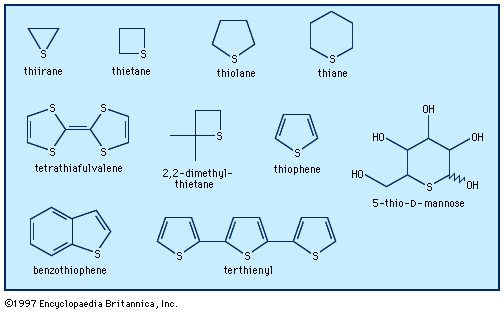
Cyclic sulfides have their own prefix rules. Thi- is in front of the root, indicating the ring size. Three carbons? Thiirane. Four? Thietane. Five? Thiolane. Six? Thiane. Unsaturated rings also occur. Thiophene is the big one. It is very stable. Very stable.
Does not mix well with water. Oil-based solvents? they like them. Low molecular weight sulfides have an unpleasant odor. strong. Unpleasant. Allyl methyl sulfide is responsible for the smell of garlic. It’s in your system. It stays there.
Nature’s Chemical Signatures
自然はこれらのstructuresを愛しています。 メチオニンを見てください。 必須アミノ酸。 生物学的メチル転移を扱います。 それから、trail markersがあります。 Red foxesは2-フェニルエチルメチルスルフィドを残します。 Striped hyenasは5-メチルチオ-2,3-ペンタンジオンを使用します。 Polecatsはdi(3-methylbutyl)sulfideに頼っています。 これは彼らの署名です。
環構造は生物学のeverywhereに見られます。 Minksは2,2-ジメチルチエタンを分泌します。 四員環。 ペニシリンには 5 員硫黄環が含まれています。 脂肪酸の合成と二酸化炭素の固定を助けるビオチンも同様です。 別の補酵素であるThiaminも同じ硫黄環構造を持っています。
次に、農薬の世界にはThiaminのcousinがあります。 Terthienylはmarigoldsに由来します。 そして六員環は? それらも存在します。 5-チオ-d-マンノースは、Clathria pyramida と呼ばれるオレンジ色の海綿から抽出されます。 環内の酸素が硫黄に置き換わった糖です。
硫黄は金属イオンを所定の位置に保持することもできます。 cytochrome C では、メチオニンの硫黄がリガンドとして機能します。 ヘム鉄に直接作用します。 それがなければ、電子伝達の連鎖はstumbles。
The Petroleum Problem and the Green Energy Hope
Crude oil contains a lot of organic sulfur compounds. Thiols. sulfide. polysulfide. They can be formed when hydrocarbons react with elemental sulfur. Sulfur comes from microorganisms that feed on sulfates in rocks. As the oil ages, the active substances turn into permanent substances, such as benzothiophene.
This is bad for the engine. This is harmful to the environment. Therefore remove it. Molybdenum-based catalysts can be used for hydrodesulfurization. They remove sulfur. The result is pure hydrocarbon and hydrogen sulphide.
But sulfur is more than just a pollutant that needs to be removed. It’s a material to be used.
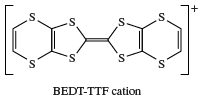
The use of heterocyclic sulfide compounds to create organic metals and superconductors is considerable. thiophene. Tetrathiafulvalene (TTF). bis(ethylenedithio)tetrathiafulvalene (BEDT-TTF) cation. These are not just lab curiosities. It is suitable for switching elements and light-emitting diodes.
This led to the Nobel Prize in Chemistry in 2000. Alan J. Heeger, Alan G. MacDiarmid and Hideki Shirakawa are known for their discoveries of plastics that conduct electricity. Thus began the era of organic electronics.
Poly(phenylene sulfide) (PPS) has been around for over a century. Derived from diphenyl sulfide. It’s tough. Heat resistant. Use in electrical and mechanical applications. The next step is polythiophene conductors. Molecular electronic devices depend on them.
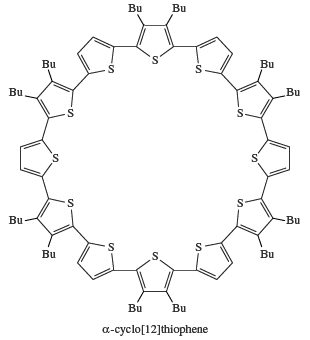
The research extends deep into macrocyclic structures. Alpha-conjugated oligothiophenes. Take alpha-cyclo[12]thiophene. In the solid state, it forms a perfect hexagonal honeycomb. A geometric wonder made of sulfur and carbon.
The question is not whether sulfur compounds are important. The question is whether this instability and reactivity can be exploited before the catalyst removes it. The smell remains. The conductivity remains.


The dark side of sulfur in chemistry
When most of us think of sulfides, we think of agriculture. Chemicals that keep crops free from fungi or prevent the spread of weeds are often based on organically bound sulfur. It is a practical application for a versatile element.
But the story of sulfides takes a dark turn when you look at how they are made.
We have observed under many laboratory conditions that thiols react to form sulfides. There are safe, standard ways to construct these bonds. Then there is the exception that defines the line between industrial utility and horror.
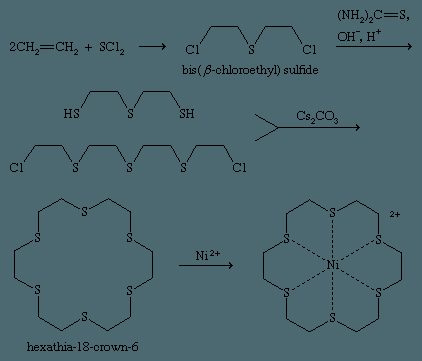
Take ethylene. Mix it with sulfur dichloride. The result is bis(β-chloroethyl)sulfide.
You may know this compound by a different name. Mustard gas. Or sulfur mustard. It is a blistering agent, which means it produces severe blisters on the skin and tissues. It was used as a chemical warfare agent. Its history is stained with violence.
This reaction is not just a historical footnote. It has been used to synthesize cyclic and bicyclic dichlorosulfides. These are complex ring structures built on the same toxic foundation.
Why is this important to the general public? Because it highlights the harsh reality of chemistry. The same molecular tools that protect our food supply can be turned into weapons. The bond between sulfur and carbon is strong. It is useful. And it’s dangerous.
Understanding this duality is key. Sulfur is not just a plant nutrient or a pollutant that needs to be combated. It’s a building block with dark potential.

Chemical reactions behind the breaking of a chemical bond
Sulfides don’t just sit there. they react.
Like thiols, they trap metals. This happens especially with cyclic polysulfides, which closely resemble crown ethers. Consider hexathia-18-crown-6. This is a special form. a special trap.
Oxidation is a complete game changer. Mild oxidation produces sulfoxides. Press harder and you get sulfones. Does it react with alkyl halides? Sulfonium salts are obtained. Halogen compounds represent halogenated sulfonium salts.
Why is this important? Because these sulfonium halide ions are intermediates. Critical. They promote the synthesis of polysaccharides. Especially if you start with 1-phenylthioglycoside. This process replaces phenylthio (PhS) or phenylsulfinyl (PhS(O)). The nucleophile of the second sugar molecule attacks. The sugars join. This is glycosylation. This is how complex carbohydrates are built.
There is also another angle. Oxidation of a single electron produces radical cations. These are not just lab curiosities. These are important for conductive materials. These cations can dimerize. They form a dithia dications written $R_2S^+–S^+R_2$. These are also available in bis sulfides. Molecules with two spatially separated thioether groups react together.
Cleaving the Sulfur Link
What if you want to break the bond?
Fluorination reagents convert diphenyl sulfide $(C_6H_5)_2S$ to tetrafluorodiphenyl sulfide $(C_6H_5)_2SF_4$. Hexavalent sulfur. A rare state.
But cleavage is more common. If one side of the sulfide is unsaturated (olefinic, aromatic, or acetylenic) and the other side is saturated (such as methyl or ethyl), the bond may break. Use sodium or lithium metal in liquid ammonia. The saturated portion is removed as hydrocarbons. The sulfur remains in the unsaturated part and turns into a mercaptide.
Raney nickel desulfurization was an important step in determining the structure of penicillin for the first time.
Raney nickel is a reactive nickel. It’s a powder. It’s reactive. It swaps carbon-sulfur bonds for hydrogen. Simple. clean. Useful in synthesis. Helps to understand what the unknown organosulfur compounds really are.
Without desulfurization, the structure of penicillin may not be known. This is an important step. A critical moment in medicinal chemistry.
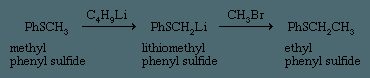
Sulfur atoms are polarizable. High polarizability. This stabilizes the negative charge on the adjacent carbon. You get species like $RSCH_2^-$. It is usually stable as $\alpha$ lithium sulfide, $RSCH_2Li$.
Why keep them handy? Because they react. They act as nucleophiles. They attack the alkylating agent. They attack carbonyl compounds. This is a technique of organic synthesis. Sulfur is used to hold the reaction center in place. Then, when you’re ready to build something else, release it.
The bonds break. A bond is formed. Sulfur controls everything, moves electrons around, stabilizes the charge and forms connections that carbon alone cannot form.

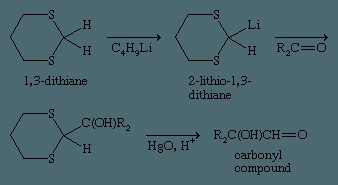
The real benefit of 1,3-dithiane is in its second lithium derivative. Chemists rely on this special reagent for the accurate construction of ketones and aldehydes. This is the core of the Corey-Seebach reaction. It enables the controlled formation of carbon-carbon bonds when other methods may fail or lack selectivity.
But the chemistry isn’t limited to carbonyls. 1,3-dithiane and related thioacetals serve a completely different purpose and in a completely different context. They can be converted into olefins. This transformation is known as Takeda olefination.
Both routes show why this cyclic bis -sulfide is still the basic component of the synthesis. It’s not just a protective group. It is a flexible handle that guides molecules to two very different structural outcomes.
In addition to ketones
Most students learn about the Corey-Seebach reaction as a way to lengthen carbon chains. You start with an aldehyde or a ketone. You convert it to the dithiane. You add the base to create the lithiated species. Then you attack the electrophile. The result is a new carbon frame.
Takeda’s route takes another turn. The target is not the carbonyl bond, but the double bond. Dithian acts as a vinyl group in disguise. When the desired chemistry is complete, the sulfur atoms are removed. What remains is an alkene.
This duality makes 1,3-Dithiane uniquely powerful. It can hide the carbonyl group while you do other work. It can also form into an olefin under changing conditions.
Why this is important
Synthetic chemists are often faced with a choice. Want a saturated chain with a reactive end? Or do you need a rigid double bond? The availability of both paths from the same source material simplifies the design. You don’t need to switch strategies mid-synthesis.
Lithiated dithiane is stable enough to handle. It reacts predictably. Takeda olefination is equally reliable. It avoids harsh conditions that can break down sensitive parts of a complex molecule.
There are reasons for these methods. They work. They are consistent. And they provide a level of control that is difficult to replicate with simpler reagents.
The question is not whether they will be used. It’s all about combining them in a certain synthesis for maximum effectiveness.

Thiophene is a five-membered ring that contains sulfur and behaves in a surprisingly similar way to benzene. Big difference? It reacts much more easily. While benzene is notoriously stubborn in breaking down its stable ring structure, thiophene undergoes chemical reactions more easily. This makes it a more reactive agent in organic chemistry, although it has the same aromatic stability.
The Sulfur Connection
The presence of sulfur changes the game. In benzene, carbon and hydrogen are enclosed in a perfect hexagon. In thiophene, one of these carbons has been changed to a sulfur atom. This small change changes the distribution of electrons. The sulfur atom donates electrons to the ring, which makes the whole structure more electron-rich. This extra electron density makes reactions happen faster.
Disulfides, polysulfides and oxidation
In addition to simple rings like thiophene, chains and multiple bonds make sulfur chemistry confusing. Disulfides contain two sulfur atoms bonded together (-S-S- ). Polysulfides have longer chains of sulfur atoms. These structures are found in everything from rubber manufacturing to biological systems.
When these compounds are oxidized, they change. Oxygen can settle in the sulfur-sulfur bond and change disulfides into sulfoxides or sulfones. Depending on the conditions, polysulfides can break bonds or form new bonds. These oxidized products often have different odors, different reactivities, and different uses. Think of the smell of rotten eggs – it’s hydrogen sulfide, the reduced form. Oxidized forms are generally less volatile but more chemically aggressive.
Why this is important
Understanding these differences isn’t just about textbook exams. The way thiophene reacts affects the way we make plastics, medicines and dyes. The stability of disulfide bonds is important in protein folding and hair care products. If you’ve ever had a perm, you’ve dealt with sulfur chemistry. Cutting and reshaping these bonds changes the shape of your hair.
The key takeaway is that sulfur’s position in the periodic table gives it unique flexibility. It can form single, double and multiple bonds with itself and other elements. This versatility means that sulfur compounds are ubiquitous in technology and biology. But that also means they can be unpredictable.
“Sulfur’s ability to form multiple bonds with itself allows for a variety of structures that carbon alone cannot achieve.”
This reactivity is a double-edged sword. It makes sulfur compounds useful, but also susceptible to degradation. Controlling oxidation is a constant challenge in storage and synthesis. Chemists must avoid these tendencies by using protecting groups or special conditions to achieve the desired result.
The more you study sulfur, the more it seems to defy easy categorization. It’s not just a carbon substitute. It is a different type of element with its own rules. And in a world obsessed with carbon-based life and materials, sulfur’s alternative chemistry offers many other possibilities.

The chemical reaction behind curls and fresh beer
Sulfur just doesn’t smell. It builds structure. More specifically, the organic groups are linked together in long chains to form compounds called polysulfides. You will see the formula RSn R′ where n represents chains with 2 to 20 or more sulfur atoms. Naming these things is a game of alphabetical precision followed by number prefixes. List the attached groups, add “sulfide” and add di-, tri-, or tetra- depending on the sulfur content. Alternatively, you can use the dithio- prefix. Dithiodiacetic acid. Scientists also call them polysulfanes. Trisulfane. Tetrasulfane. Simple.
But these are not just lab curiosities. They are the basis of life.
Structural Integrity and Biological Switches
大自然喜爱二硫化物。 看看胱氨酸。 它是一种形成二硫桥的氨基酸。 这种联系至关重要。 它将蛋白质保持在三级结构中,即蛋白质发挥作用所需的 3D 形状。 没有它,蛋白质就会分解。 They die.
这种硫-硫键也是一个开关。 它在二硫键状态(胱氨酸)和硫氢基状态(半胱氨酸)之间翻转。 这种相互转化驱动跨细胞膜的运输。 它It powers immune responses. 当你被割伤时,它会让你的血液凝结。
考虑一下美发沙龙。 当你烫发时,造型师正在操纵这些键。 它们破坏角蛋白中的胱氨酸二硫键。 头发变得有弹性。 可塑性强。 你可以卷曲它。 然后,氧化处理重新形成二硫键。 头发锁成新的形状。 硫链重置。
创造力量的压力
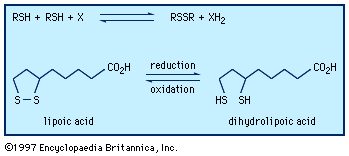
硫辛酸使这种化学反应更进一步。 它是一种cyclic disulfide. 一种生长因子。 无处不在——植物、动物、微生物。 它驱动光合作用。 它管理脂质和碳水化合物的代谢。
它是如何运作的? 它会振荡。 它在氧化环状形式和还原无环二硫醇形式之间翻转。
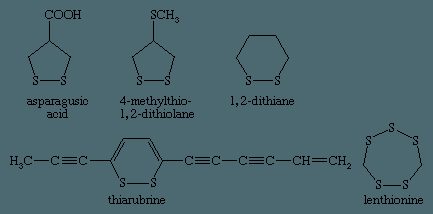
诀窍是应变。 环结构迫使相邻的硫原子靠近在一起。 它们的孤对电子相互排斥。 这种ring strain使硫辛酸成为一种有效的氧化剂。 六元环,如 1,2-二噻烷,不具有这种张力。 太稳定了。 它的反应不那么激进。 硫辛酸的不稳定性就是它的实用性。 在其还原形式下,硫醇基团的位置足够接近以促进再氧化。 它是一个现成的化学发动机。
Flavor, Survival, and Smell
Nature uses these compounds for defense and distraction. Asparagusic acid is found in asparagus roots and is 4-carboxy-1,2-dithiolane. Helps plants survive in the soil. This is a natural resistance factor. Nearby, 4-methylthio-1,2-dithiolane acts as a photosynthetic inhibitor in stoneworts.
The rest is taste. The unique flavor of shiitake mushrooms comes from a complex mixture. It has an acyclic disulfide sulfone CH3SO2CH2SCH2SCH2SSCH3. In addition, there are cyclic polysulfides such as lenthionine. Thiarubrine is an acetylenic cyclic disulfide that adds biological activity of plants related to marigolds.
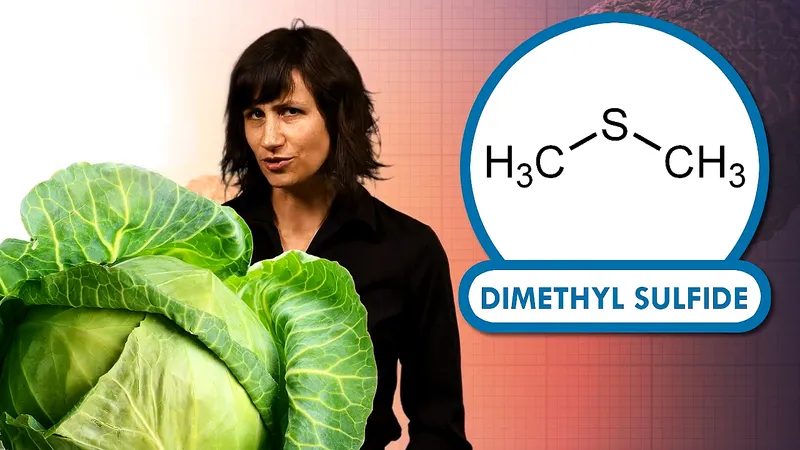
But the real sensory shock is dimethyl trisulfide. The formula is CH3SSSCH3.
It is detectable at levels as low as 0.1 parts per billion. That is nothing. However, it defines the flavor profile of beer, wine and whiskey. It’s in the food. It is even present in coal.
We inhale it and drink it. We wear our hair because of it. Sulfur chains connects the soil to the glass. And the bond holds.

The hidden chemistry of #Garlic: How heat and water create industrial compounds
Crushing a clove of garlic starts a chain reaction. Garlic oil can be separated by distilling with water. But this oil is more than just a spicy kitchen staple. It is a complex mixture of diallyl disulfide, trisulfides, and several polysulfides, usually represented by $(CH_2=CHCH_2)_2S_n$, where $n$ is 2-8.
Here is the twist: these sulfur-containing compounds are not present in raw garlic bulbs. These are generated in real time.
It is made from Allicin using water and heat. Allicin itself is a short-lived molecule and is a biologically active thiosulfinate or disulfide-S-oxide with the chemical formula $CH_2=CHCH_2S(=O)SCH_2CH=CH_2$. It is produced enzymatically from sulfoxide precursors when garlic cells are damaged. Break the clove, and allicin appears. When allicin is heated, it turns into a sulfide called garlic oil.
“Sulphurized olefins are used for extreme pressure lubrication, and highly resistant sulfur cement and concretes can be made from cyclopentadiene Diels-Alder oligomers linked by polysulfide chains.”
It’s not just about cooking chemistry. This is industrial gold.
Polysulfides with at least four sulfur atoms have unique properties that are essential for heavy industry. They act as industrial lubricants and remain stable under significant friction. In construction, it helps create sulfur cement and concrete that are resistant to chemical wear. In aerospace, they act as a binder in solid rocket propellants such as Thiocol A ($(CH_2CH_2S_4)_n$), which helps rockets launch.
Perhaps their most familiar role is in the vulcanization of rubber. Chemists turn sticky, useless polymers into durable elastomers by cross-linking polyolefin chains with two or more sulfur atoms. The result? Tires that won’t melt, gaskets that won’t leak, and materials that will last.
Making the Molecules
How can these compounds be synthesized artificially? These methods depend on the target structure.
Disulfides typically arise from the oxidation of thiols. This is a simple oxidation process.
However, polysulfides require more processing. These are usually prepared by reacting excess thiol with sulfur chloride ($S_nCl_2$). This makes the sulfur chains longer and more complex.
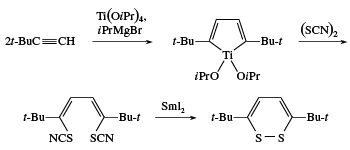
In some cases, elemental sulfur reacts directly with unsaturated compounds to form cyclic disulfides and polysulfides. Consider the reaction between acetylene and sulfur. It yields a 1,2-dithiete, which is a four-membered ring containing two sulfur atoms. Despite its small size, its aromatic stability is similar to thiophene, a class of heterocyclic compounds known for its stability.
More complex rings are also possible. 1,2-Dithiins, a six-membered ring disulfide found in natural products such as thiarubrines, can be synthesized using titanacyclopentadienes. These intermediates are

Breaking chemical bonds
Disulfides don’t just exist here. they react. You can remove the hydrogen atoms back into thiols in the bottle or in your own body. Within the body, this reduction is as natural as breathing. The opposite can also happen. Thiols are oxidized back to disulfides. These cycles are more than just laboratory dreams. They are important biochemical processes. Life repeats this back and forth.
However, this chain does not end with thiol. Continued oxidation produces a vague and complex class of compounds. S-oxide comes first. They are thiosulfinates or RS(O)SR. If you press harder, you reach S,S dioxide. Thiosulfonate. or S,S’-disulfoxide. Also known as α-disulfoxide (RS(O)S(O)R). The sulfur-sulfur bond is completely destroyed and sulfonic acid is obtained. RSO3H. Polysulfides also have this effect. They undergo similar oxidative changes.
Why is this important to you? Try it.
Cut the onions. Or a clove of garlic. Cell rupture. Enzymes start working. Disulfide-S-oxide is formed in situ. These are fragrances. Immediately hit your nose and tongue hard. Not just alliums. cabbage. cauliflower. sprout. All of these release these volatile compounds when damaged. The sharp taste of raw canola? It is a chemical reaction.
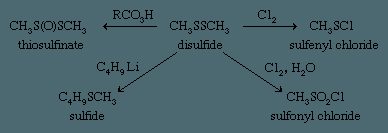
Chlorine is a complete game changer. Disulfides react with chlorine and are forcibly cleaved. The S-S bond is broken. You get chlorinated garbage. Sulphenyl chloride (RSCl) is common. Could it be water related? You might end up with RSO2Cl. Results will vary depending on what is in the room.
Alkyllithiums chose another path. These organometallic compounds attack bonds. It’s not just oxidation. They are reduced and dissolved at the same time. The result is sulfide. clean. Simple. It differs from oxide.
The bond between sulfur and sulfur is weak. Wait for the appropriate trigger. Destruction of cell walls. Dropping reagents. Bioenzymes are included. Once a molecule is destroyed, it becomes something else. Something sharper. Something more reactive.
硫黄はそのままですか? レア。 それは変わりたいのです。 酸素と結合したいのです。 または塩素。 あるいはリチウム。 ジスルフィドは一時的な状態です。 より長く、より混乱したやりとりにおける一連の一時停止。 このやり取りで味が出ます。 あなたは命を得るのです。 有機化学の厄介な現実がわかります。

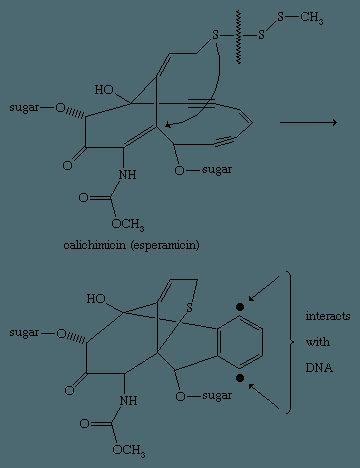
How Calichimicin captures cancer cells
Calichimicin, also known as esperamicin, is more than just one compound in a vast chemical arsenal. It is a highly effective antitumor agent produced by bacteria of the order Actinomycetales. Its power lies in its special structure. It is a pendant methyl trisulfide component, chemically represented by CH3SSS.
Think of it as a molecular mousetrap. This mechanism may seem simple, but it really isn’t. The trap is set by a sulfur-sulfur bond within the trisulfide group. This bond is significantly weaker than the disulfide bonds found in many other biomolecules. This weakness is a strength.
When this connection is finally broken, a chain of events begins. The direct result is the formation of a phenylene diradical. It is a very active species that does not migrate. Stability is sought by removing hydrogen atoms from deoxyribonucleic acid (DNA).
“The breaking of the sulfur-sulfur bond is believed to initiate a chain of events that culminates in the formation of a phenylene radical.”
Why is this important? By removing the hydrogen from the DNA, the drug effectively disrupts the genetic blueprint of the target cells. For cancer cells, this is deadly. The first step, breaking the weak bonds between the sulfurs, is important. Trisulfides are less stable than disulfides, so they are easier to trigger, but the damage done is irreversible.
This mechanistic specificity makes calichimicin an interesting target for oncological research. It doesn’t just poison the cells. Find the DNA and destroy it with targeted violence. The bacteria that produce it developed this weapon to compete in soil, but humans have repurposed it to fight tumors. This is a rare example of nature providing highly specific and productive tools for medical procedures.
The question remains how to harness this power without triggering traps prematurely. The next hurdle is the delivery system. Until then, Calichimicin had demonstrated the frightening elegance of bacterial chemistry.

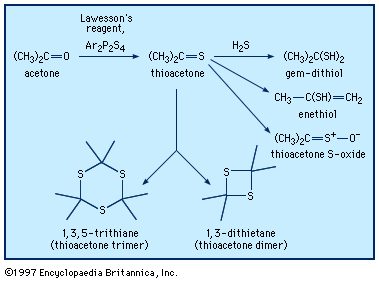

The thiocarbonyl group written as “C(=S)” corresponds to the well known carbonyl group sulfur. This is seen in thioaldehydes, thiones, and many other molecules where nitrogen or oxygen is attached to a sulfur-containing carbon. Consider thioacetone or its IUPAC name 2-propanethione. These are ugly. The colors are often very dark and dangerously reactive. Why? Because the double bond between carbon and sulfur is an adversarial partnership. The carbon pi bond occupies a 2p orbital. Sulfur uses larger 3p orbitals. They don’t overlap well. Connections are fragile, tense and eager to respond.
Take thioformaldehyde (CH2=S) as an example. It is the parent of the class. It is very unstable and cannot be separated from the bottle. We strive to connect and react to almost everything immediately. However, they bind in small concentrations in the gas phase. In fact, radio astronomers have observed it floating through interstellar space. It is formed when tiny organic sulfur compounds are injected with extreme heat.
The Solvent and the Spice
二硫化炭素(S=C=S)は違います。 主力製品として十分安定しています。 レーヨンの原料であり、一般的に使用される有機溶剤です。 これには、2 つの連続したチオカルボニル様結合が含まれています。
次に、イソチオシアネート、R-N=C=S のスパイシーな世界があります。 これらは二硫化炭素と同様の累積結合を持っています。 アリルイソチオシアネートは、ホースラディッシュに噛みつきを引き起こす化合物です。 からしと大根には独自のバージョンがあります。 みじん切りの玉ねぎや西洋わさびを食べて泣いたことがある人は、これらの化合物に遭遇したことがあるでしょう。
医療や産業もこれらの構造に依存しています。 チウラムは、チウラム ジチオカルバメートと同様、ゴムの加硫に使用される酸化防止剤および促進剤です。 タイヤがバラバラになるのを防ぎます。 それらは防虫剤や殺菌剤でもあります。 アンタビュースとしても知られるジスルフィラムはエチル薬です。 飲酒を身体的に不快にすることでアルコール依存症を治療します。 チアミドももう 1 つの主要なカテゴリです。 エチオナミドは結核と闘います。 他のチオアミドはペプチド類似体として作用し、化学者による複雑なタンパク質の合成を助けます。
Making the Molecule
How do you actually make a thioketone? Typically, you take a ketone and react it with a phosphorus-sulfur reagent. Lawesson’s reagent is a standard tool here and has the chemical formula Ar2P2S4.
Xanthates is a different story. These are thiocarbonyl derivatives of carbonates with the structure ROC(=S)OR. The name comes from the Greek word xanthos, which means “yellow” and refers to the color of its copper salt. To make them, mix alcohol and carbon disulfide. This reaction is central to the viscose process. Produces soluble cellulose. This solution can be pressed into an acid bath. Acid destroys xanthate groups. Cellulose comes out of the solution as fibers (rayon) or films (cellophane).
Thiourea is also a key player. It is the diamide of thiocarbonic acid. Manufacturers make it by heating ammonium thiocyanate. The reaction is simple: NH4SCN + heat → H2NC(=S)NH2. Thiourea can be used for the synthesis of thiols, especially because it avoids the formation of unwanted sulfide byproducts.
Phosphorus chemistry also gets in on the act. Divalent sulfur derivatives of phosphoric acid contain a P=S bond and are used in insecticides such as malathion and parathion. They are also lubricant oil additives and ore-flotation agents. These are typically synthesized from tetraphosphorus decasulfide (P4S10) or thiophosphoryl chloride (PSCl3).
Reactions and The Smell
Thioketones don’t sit still. Their oxidation produces thioketone S-oxides, also known as sulfines. The structure of thioacetone S-oxide is CH3C(=S=O)CH3.
Thioformaldehyde is known to be unstable. Easily trimerizes to 1,3,5-trithiane. Alternatively, it can polymerize to form poly(thioformaldehyde). The pi bond in thioketones makes them highly reactive in Diels-Alder and other cycloaddition reactions. They are useful partners in building complex rings.
Like their oxygen counterparts, thioketones undergo enolization. This is called thioenolization. It produces isomeric enethiols. In some cases, you can also isolate them. Thioacetone thioenolization produces 2-propenethiol (CH3C(SH)=CH2).
However, the most significant reaction is related to hydrogen sulfide. Thioketones reversibly add H2S to form gem-dithiols. Both -SH groups are attached to the same carbon. In the case of thioacetone, propane-2,2-dithiol is obtained.
The gem-dithiols, not the thione itself, may be responsible for the highly unpleasant odor associated with low molecular weight thiocarbonyl groups.
That smell is legendary. Low-molecular-weight thioketones reek. However, the reaction intermediate responsible for the odor may be a dithiol product instead of the starting material.
Thiocarbonates of the ROC(S)OR’ type originate from alcohols. They are widely used in organic synthesis. The Barton-McCombie deoxygenation reaction uses these to remove oxygen from molecules, ultimately producing the deoxygenation product R-H. This is the preferred technique for simplifying complex structures.
Organic compounds of polyvalent sulfur: sulfoxides and sulfones

Sulfoxides and sulfones are strange creatures of the organic world. Oxygen-based compounds have no close relatives. When looking at double bonds, for example in case of sulfoxide it is “S(=O)” and in case of sulfone it is “S(=O)2”. Sulfur attracts 10 or 12 valence electrons. The octet rule screams “impossible”. Sulfur doesn’t care. It has 3d orbitals which can be used to expand the valence shell. This is the same trick that sulfur uses with sulfur hexafluoride (SF6).
Theory supports this to some extent. However, many chemists object to the idea that bonding is involved in the 3d orbital. Their energies are too high compared to the 3s and 3p orbitals. So what is the real situation? Maybe it’s the polar bond. Think of it as “S+(-O-)-” for sulfoxide and “S2+(-O-)2-” for sulfone. Polar resonance structures definitely help. But what about the 3d contribution? There might be more.
There is another trick. Sulfoxide has a lone pair of electrons on the sulfur atom. This makes the group nonplanar. Looks like an amine. The carbonyl group (-C(=O)-) is flat. Sulfoxides are often compared to carbonyl groups. You shouldn’t. Nonplanarity can have a big impact. A sulfoxide is chiral if it has two different groups (R and R’). It can be divided into optically active forms. In contrast, sulfone group are tetrahedral.
Tricoordinated sulfur is stable. These include sulfinyl chlorides, sulfite esters, sulfoxides, thiosulfinates, and sulfilimines. The bonds are longer. Less crowding. More lone pair s -character. It holds its shape. Chiral sulfur compounds are constantly used in nature. Chemists use them to build other chiral molecules.
Naming is simple. List the organic groups in alphabetical order and add sulfoxide. Ethyl methyl sulfoxide. Or use the prefix -sulfinyl-. 4-(methylsulfinyl)benzoic acid. Sulfones follow the same pattern. when things get complicated, use -sulfonyl-.
Most sulfoxides are colorless. A liquid or solid with a low melting point. Dimethyl sulfoxide (DMSO) is the star here. It is water soluble. Low toxicity. It is an excellent solvent. It penetrates skin rapidly. It drags other compounds through the skin with it. Veterinarians use it to treat lameness in horses.
Sulfones are usually colorless crystals. Dimethylsulfone dissolves in water. Diaryl sulfones, such as dapsone, treat tuberculosis and leprosy. Polysulfone resins embed “SO2C6H4” units embedded in the polymer. They make electrical and automotive parts. It is resistant to oxidation. They handle heat.
Occurrence and preparation

Nature has an amazing capacity for chirality, and it is not limited to carbon atoms. Among the compounds extracted from plants, S-alkylcysteine S-oxides are the first to show optical activity towards both carbon and sulfur. These are precursors to the pungent flavor found in allium plants such as garlic and onions. We have long observed that S-1 and S-2 propenylcysteine S-oxides can play this role. Since then, the number of naturally occurring sulfoxides has continued to increase. Extract sulforaphane from broccoli. The molecular formula is CH3S(O)(CH2)4NCS. Researchers claim that it can inhibit tumor growth. In addition, onion extract contains Zwiebelan.
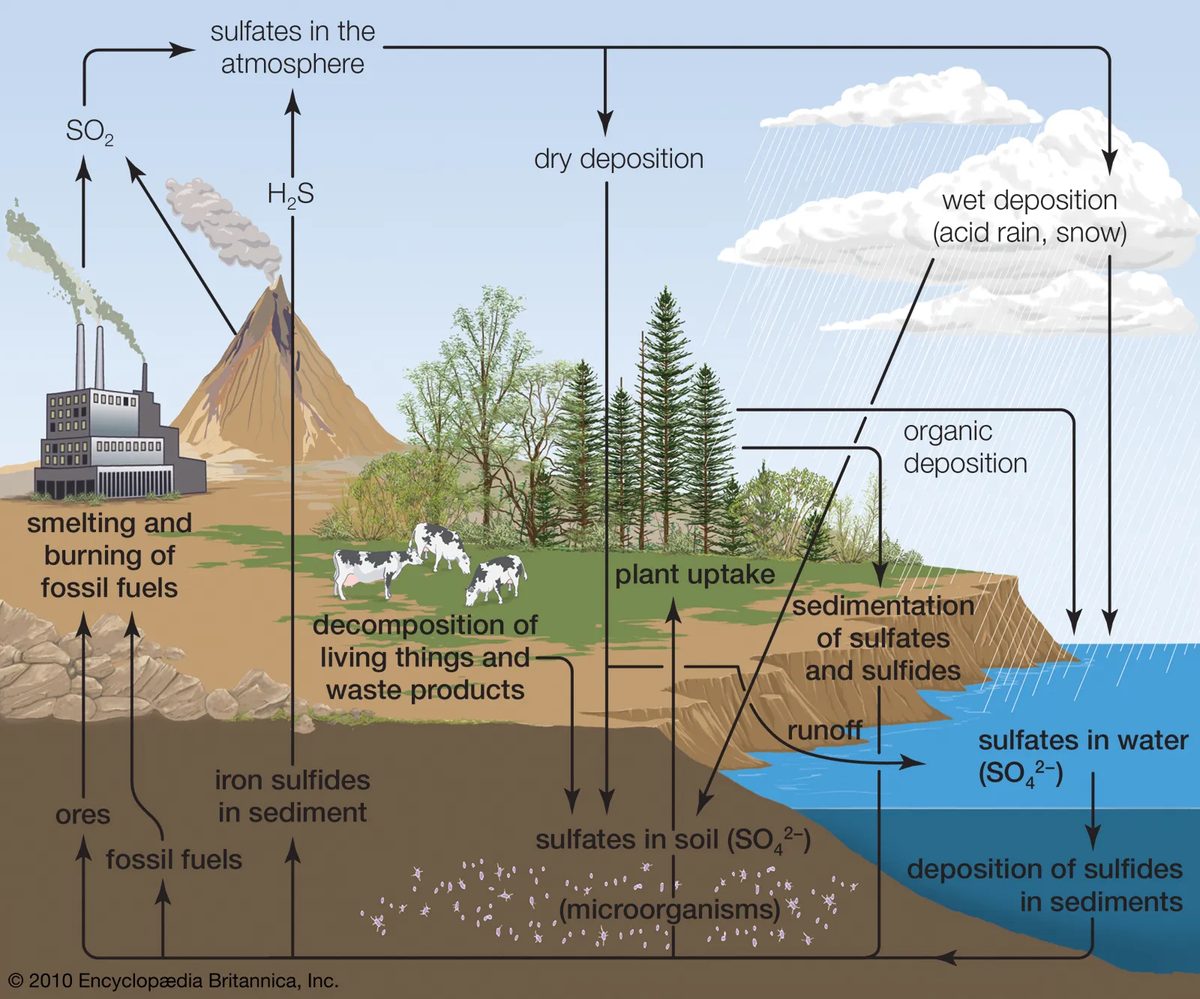
Dimethyl sulfoxide (DMSO) tells a different story. It’s everywhere. It occurs in natural waters, including marine waters, typically below 3 ppm. Algae produce it together with dimethylsulfone. When it rains, its source is usually the atmosphere. There, dimethyl sulfide (CH3)2S in the atmosphere is oxidized. This is part of the biological sulfur cycle that moves sulfur around the world.
Production of sulfoxides in the laboratory and industry
You don’t have to walk through the jungle to get these compounds. Sulfoxides are easily produced by oxidizing sulfides. Chemists use reagents such as sodium metaperiodate (NaIO4) and hydrogen peroxide (H2O2). Works fine.
From a business perspective, the scale has changed. DMSO is produced by oxidizing dimethyl sulfide. This process uses air and nitric oxide as catalysts. Where does dimethyl sulfide come from? It is a significant by-product of the Kraft sulfate process. This is how pulp is made. Therefore, your paper may be indirectly related to DMSO.
Further oxidation produces sulfones. This reaction is accelerated by strong reagents such as potassium permanganate (KMnO4). Start with sulfide or sulfoxide. It eventually becomes a sulfone.
Chirality and solvents
Optical activity is important in synthesis. Optically active sulfoxides can be prepared by oxidizing RSR’-type sulfides. Here R is not equal to R’. Use an optically active oxidizing agent. or use microbial oxidizers. Enzymes do the heavy lifting while maintaining chiral hand.
Alternatively, react with the optically active sulfinyl derivative RS(=O)X. X can be oxygen, nitrogen or sulfur. Add reagents such as R’Li and R’MgBr. A bond is formed. Chirality is established.
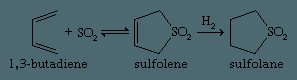
Not all sulfoxides are chiral. Some are solvents. Sulfolane or thiolane S,S-dioxide fulfills this requirement. Preparation is a two-step dance. First, sulfur dioxide reacts with butadiene. Sulfolane is obtained. It is a cyclic unsaturated five-membered cyclic sulfone. It is then hydrogenated. Breaking double bonds. Making sulfolane. It is a solvent for many industrial processes.

Breaking the sulfoxide bond
You can remove the oxygen from the sulfoxide quite easily. Take a reducing agent like lithium aluminum hydride and the job is done. The reaction produces sulfides. Sulfones? They are stubborn. The removal of these oxygens is an extreme challenge that is rarely successful under normal conditions.
The chemistry changes when you look at acidity. Sulfinyl and sulfonyl groups mimic carbonyls. They pull electron density. This makes the alpha hydrogens – those attached to the carbon right next to the S=O group – much more acidic.
Bases such as sodium hydride can strip these protons away. You get salts. Especially species like CH3S(O)CH2Na or CH3SO2CH2Na. These are not just theoretical intermediate steps. They are powerful bases and essential reagents in organic synthesis.
Sulfoxides are also removed thermally and enzymatically. Sulfenic acids leave the scene. There’s Pummerer’s reorganization. It is a special dance where the sulfoxide group is reduced to sulfide. At the same time, the neighboring carbon atom is oxidized. Sulfur and carbon exchange roles in the redox hierarchy.
Aromatic sulfones and thiophene oxides
Aromatic sulfones have a different path to existence. Sulfonyl chlorides react with aromatic hydrocarbons. A bond is born. A sulfone is produced.
The situation is different with thiophene oxides. When you oxidize thiophene, you get S-oxides or S,S-dioxides. These compounds are hyperreactive. The starting thiophene is stable. Oxidized versions are not. Why? Aromaticity is broken. The sulfur atom donates one or both pairs of electrons to oxygen. The ring loses its aromatic stability. This loss of resonance energy gives rise to reactivity.


Mechanisms of sulfur bond breaking and formation
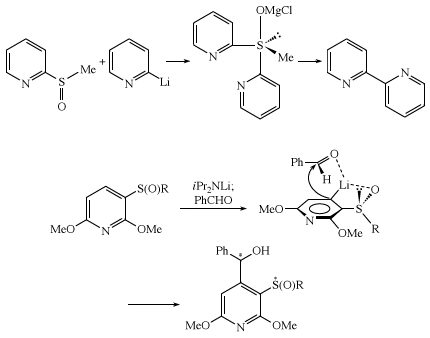
You might think that organic chemistry is all about connecting the dots, but the coupling reactions of ligands in sulfoxides add a layer of geometric complexity. When two groups bonded to a sulfur atom undergo a concerted intramolecular coupling, they simply do not snap together. They pass through a specific checkpoint: a tetrasubstituted sulfurane intermediate.
This is not a loose, amorphous structure. It’s rigid. It has a trigonal pyramidal shape. The sulfur atom is located at the tip and is surrounded by four substituents in a configuration that determines how the final bond is formed. If the geometry were different, the reaction would likely fail or produce a completely different isomer.
Then there is the problem of chirality. When you work with a chiral sulfoxide, you introducing a handedness to the molecule. This is important when performing ortho -metallation. The process starts with lithiation, which essentially means swapping the hydrogen atom of the aromatic ring with a lithium atom. But it doesn’t happen by chance. The lithium latches onto the carbon ortho to the sulfoxide group.
Why ortho? And how does it stay there?
The sulfoxide oxygen acts as an anchor. It coordinates with lithium and holds the metal in place like a magnet. This proximity isn’t just for show; it directs the next step with surgical precision. When an aldehyde is added, the reaction doesn’t just happen. It minimizes steric hindrance.
Think of the large groups of a molecule. They collide. To avoid this physical crowding, the aldehyde approaches from the least crowded angle. The result is a specific stereochemical outcome that mirrors the chirality of the starting sulfoxide.
This coordination is key. Without oxygen to hold the lithium, you end up with a mixture of products. With it, you get control. The sulfurane intermediate provides the structural framework, while the chiral sulfoxide provides the directional cue.
But why stop there? When a bond is formed, the molecule has changed its fundamental nature. Sulfur has changed from a sulfoxide to a new coupled structure. Chirality is preserved or inverted depending on the exact mechanism, but steric rules are still the final arbiter.
It is a delicate dance. Atoms move, groups shift, all to avoid bumping into each other. And yet it works. Consistently.

The hidden power of #DMSO in organic chemistry
Dimethyl sulfoxide (DMSO) plays an important role in the laboratory as an analgesic and solvent. It acts as a mild oxidizing agent in Swern oxidation, a process that converts alcohols to aldehydes or ketones without destroying the delicate structures of the molecule.
Chemical reactions do not end with oxidation. The sulfone group present in related compounds has undergone extensive rearrangement. Two important examples are the Ramberg-Bäcklund reaction and the Truce-Smiles rearrangement. These transformations allow chemists to build complex carbon frameworks from simpler parts.
Why this matters
Standard oxidation methods can be harsh. Toxic reagents and extreme conditions are often required. Swern oxidation offers a cleaner alternative. Also works at low temperatures. This preserves sensitive functional groups that can fragment.
The rearrangements are equally important. These provide a precise way to change the structure of molecules. This precision accelerates progress in drug development and materials science.
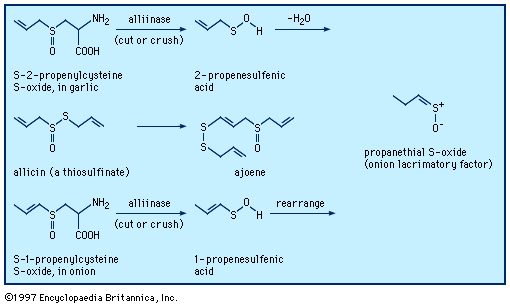
Crushing or cutting garlic is not only done mechanically; it is a biochemical trigger. When you break through the cell walls of a garlic clove, a specific molecule called S-2-propenylcysteine-S-oxide (commonly known as Alliin ) encounters the enzyme Alliinase. This interaction doesn’t just sit there. It quickly converts alliin into an intermediate compound: 2-propenesulfenic acid.
This intermediate is unstable. It immediately condenses into Allicin.
Allicin is the heavyweight here. It makes up about 0.4 percent of the weight of a fresh garlic clove. Structurally, it is a thiosulfinate, a type of sulfinyl compound. This is the main flavor that gives garlic its pungent bite. But its role goes far beyond taste. Allicin has strong antimicrobial, anti-candida (anti-yeast) and anti-fungal properties. In the laboratory, it also inhibits lipid synthesis.
The chemistry doesn’t end with allicin. Over time, Allicin can turn into ajoene. Ajoene is an unsaturated sulfoxide disulfide. It has anticoagulant or antithrombotic properties. So the same effect that flavors your dinner can also affect the dynamics of blood flow, albeit at a molecular level.
Onions have a different approach.
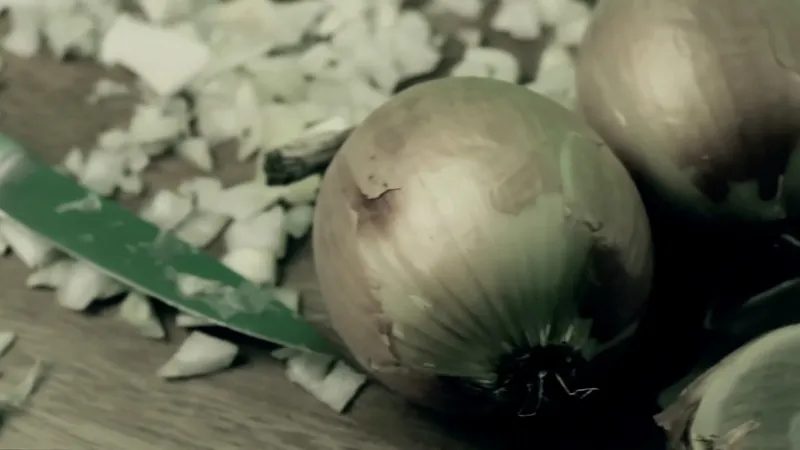
When you cut an onion, an odorless precursor is released: S-1-propenylcysteine S-oxide. Like garlic, this substance interacts with enzymes and forms an acidic variant. In particular, 1-propenesulfenic acid is formed. But here comes the difference. Instead of condensing to a stable aromatic compound like allicin, 1-propenesulfenic acid rearranges to form (Z)-propanethial-S-oxide.
This rearranged connection is the lacrimatory factor.
It’s a tear-inducing agent that makes chopping onions a physical challenge. Although garlic compounds often settle into broader bioactive profiles such as ajoene, the immediate chemical response of the onion is volatility and irritation. The result is the same: a sulfenic acid intermediate, but a completely different physiological result.
Other sulfinyl and sulfonyl compounds
The difference lies in the stability and subsequent rearrangement of these original sulfenic acids. The 2-propenesulfenic acid in garlic tries to stabilize itself through condensation, creating the complex thiosulfinate structure of allicin. However, 1-propenesulfenic acid in onion undergoes a rapid structural change to sulfoxide, which evaporates easily and reacts with moisture in the human eye.
These pathways demonstrate how subtle differences in the precursor molecules—allyl vs. propenyl chains—dictate completely different biological interactions. One creates a persistent antimicrobial agent. The other produces a volatile, irritating vapor. Both are sulfinyl compounds, but their effects on the body are opposite.
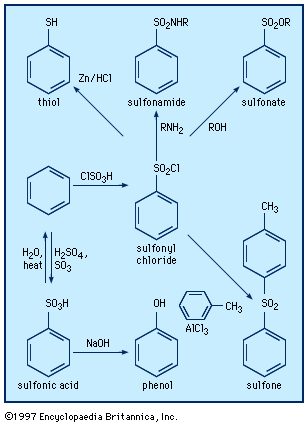

亚砜和砜是有机化学中常见的面孔,但它们只讲述了故事的一部分。 当你将硫上的一个碳键替换为其他物质(例如氧、氮或卤素)时,你会得到一类全新的化合物。 这种转变产生了有机硫含氧酸。 这里主要有三种类型:次磺酸、亚磺酸和磺酸。 命名它们很简单。 您只需获取母体分子的名称(例如烷烃或芳烃)并加上酸后缀即可。 三氯甲烷次磺酸。 乙烷亚磺酸。 对 -甲苯磺酸。 够简单的。
The Power of the Sulfonic Group
Sulfonic acids are the main agent of this group. they are very powerful. In fact, its acidity is comparable to hydrochloric acid and other common inorganic acids. These are also the most common sulfuric acids, including sulfuric acid, because they are so strong.
Physical properties correspond to chemical strength. These acids are usually colorless and odorless. In addition, they and their salts dissolve easily in water. This solubility is not just a minor problem. This makes it very convenient. Let’s take linear alkylbenzene sulfonate as an example. Its salts form the backbone of modern detergents and synthetic surfactants. You wash your clothes with them every week.
This hydrophilicity can also be incorporated into other molecules. Let’s look at the sulfonic acid derivative of triphenylphosphine known as TPPTS. It becomes water soluble by adding a sulfonic acid group. This allows the metal complex of this compound to act as a homogeneous catalyst. In industry, these catalysts work in two-phase systems (e.g., mixtures of water and organic solvents) to efficiently synthesize organic compounds.
Nature also uses these acids, although less often. Taurine is a good example. 2-Aminoethanesulfonic acid is an essential nutrient. Other natural substances include various sullipids, such as acanthosulfonic acid and sulfobactin.
Weak links and unstable intermediates
Not all sulfur acids are created equal. Sulfinic acids are weaker than the corresponding sulfonic acids. They have a pKa of about 2.2, which means they are less acidic. They are also less stable.
Sulfenic acid is even more fragile. Their pKa is about 5. They are weak and unstable. Their isolation is rare. You usually only see them as fleeting intermediates. A typical example occurs when cutting an onion or crushing garlic. Cells are destroyed and sulfenic acids with one or three carbon atoms are immediately formed. These intermediates are responsible for the watery, pungent odor. It takes some time for the reaction to occur.
Making Them
How do you make these acids? It depends on the structure.
For aromatic sulfonic acids, use sulfonation. The benzene derivative and fuming sulfuric acid react. Aliphatic sulfonic acids require a different approach. You can strongly oxidize thiols. Alternatively, you can react amine sulfur trioxide complexes (such as Me3NSO3) with organolithium compounds.
Then there is triflic acid. Trifluoromethanesulfonic acid. It is one of the strongest known organic acids. Prepared by electrochemical fluorination of methanesulfonyl chloride or methanesulfonyl fluoride. Its utility is broad. It acts as a polymerization catalyst. It can be seen in fuel cells. It is used in the production of gasoline and in the synthesis of complex organic and organometallic compounds.
反应和衍生物
涉及这些酸的反应通常取决于对硫中心的攻击。 碳负离子通常攻击磺酰氯的氯原子。 这形成碳-氯键,而不是碳-硫键。 如果你想要碳硫键,你必须将氯化物换成氟化物。 使用磺酰氟代替。
减少是另一条路。 芳香族磺酰氯可以还原为芳香族硫醇,如苯硫酚。 金属锌和盐酸可以发挥作用。
亚磺酰氯是通过在乙酸酐存在下用氯处理二硫化物来制备的。 它们与胺反应生成亚磺酰胺,或与醇反应生成亚磺酸盐。 亚磺酰氯是通过二硫化物与等量的氯反应制备的。 他们是反应性的。 它们添加到烯烃中生成含氯硫化物。 它们与胺反应形成次磺酰胺。
染料から医薬品まで
これらの誘導体の応用は実験室をはるかに超えて広がります。
スルホニル尿素は除草剤として広く使用されています。 これらは、植物の重要な酵素であるアセト乳酸シンターゼを阻害することによって作用します。 それがなければ植物は成長できません。
医学においては、より豊かな歴史があります。 スルホンアミドまたはパラアミノベンゼンスルホンアミドは、もともとアゾ染料の製造に使用されていました。 研究者らは、それが細菌の増殖を阻害することに注目しています。 この発見はサルファ剤の作成につながりました。 これらの抗生物質は革命的です。 細菌がそれらに耐性を持ち、新しい薬に取って代わられたため、現在ではあまり使用されていません。 しかし、遺産は残ります。
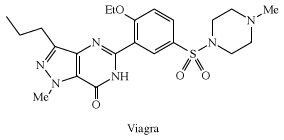
他のスルホンアミドは依然として広く使用されています。 バイアグラとしても知られるシルデナフィルは、勃起不全の治療に使用されるサルファ剤です。 ピロキシカム (フェルデン) は、関節炎の治療に使用される環状スルホンアミドです。 アセタゾラミド(ダイアモックス)は、緑内障の治療に使用される利尿薬です。
医療用プラスチックさえも適応しています。 抗凝固装置にはスルホン化ポリマーが含まれることがよくあります。 これらのポリマーは、天然多硫酸塩であるヘパリンと結合して、デバイス表面に血栓が形成されるのを防ぎます。
硫酸の話は化学だけの話ではありません。 それには、洗浄剤、除草剤、救命薬、患者の安全を守る資材が含まれます。 酸性度は反応性を高めます。 反応性がユーティリティを駆動します。 まだ実用的ですか? それはどこにでもあります。

The Double-Edged Sword of Sulfur Esters
You want to build a carbon chain? Add a methyl or ethyl group. It sounds simple. It usually involves sulfuric acid derivatives. Specifically, esters like dimethyl sulfate and diethyl sulfate. These are the heavy lifters in industrial chemistry. They take methanol and ethanol, mix them with sulfur trioxide or sulfuric acid, and boom—you get the alkylating agents you need.
But here is the catch. These compounds are nasty.
Dimethyl sulfate (MeOSO2OMe ) and diethyl sulfate (EtOSO2OEt ) are highly toxic. We aren’t talking about “spill it on your shirt and you’ll feel itchy” toxic. We mean exposure can be lethal or cause severe long-term damage. They are powerful tools for introducing methyl and ethyl groups into organic molecules, but they demand respect. Respect in the form of strict containment and safety protocols. If you are handling these in a lab, you don’t just roll up your sleeves.
Cyclic Sulfites and Synthetics
Not all sulfur esters are created equal, or rather, not all are equally dangerous for the same reasons. Consider dialkyl sulfites. These are esters of sulfurous acid. Take dimethyl sulfite (MeOS(=O)OMe ). It’s made differently. You react alcohols with thionyl chloride.
The reaction looks like this:
2MeOH + Cl2S=O → MeOS(=O)OMe
It’s a cleaner process in theory. And it opens the door to something more interesting: cyclic structures.
When you use 1,2-diols (also known as 1,2-dialcohols), you get cyclic sulfite esters. These aren’t just lab curiosities. They are practical reagents. They find considerable use in organic synthesis. Why? Because they can be oxidized into cyclic sulfate esters. These oxidation products are stable, versatile, and surprisingly useful for building complex molecular frameworks.
Why It Matters
So why do we care about sulfates and sulfites? It comes down to control.
Alkylating agents like dimethyl sulfate are blunt instruments. They add carbon chains everywhere they can reach. That’s great for making simple industrial chemicals, terrible for precision. Cyclic sulfites and sulfates offer a different path. They lock the structure. They prevent side reactions. They allow chemists to build molecules with specific shapes and functions.
This is the trade-off in organic synthesis. You have the high-power, high-risk agents that do the job fast. And then you have the specialized, cyclic variants that do the job carefully. You don’t replace one with the other. You choose the right tool for the molecule you are building.
The chemistry is old. The mechanisms are well-understood. But the applications keep expanding. New pharmaceuticals. New materials. All built on the backbone of these sulfur-based esters. The question isn’t really which is better. It’s which one fits the next step in the synthesis. And for many complex targets, the answer is the cyclic version. The one that doesn’t kill you while it works.
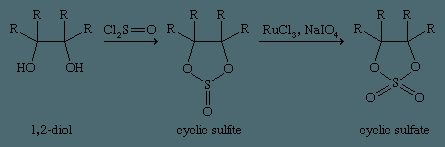

光学活性不对称取代的环状亚硫酸盐长期以来被认为是合成其他手性化合物的有价值的构建单元。 但硫的手性故事并不止于此。 它延伸到锍盐和氧锍盐领域,这是一类连接有机合成和基本生物过程的分子。
How Sulfides Become Chiral Salts
The transformation begins with a simple reaction. When the sulfide reacts with the raw material, the three parts of the body are formed. Take trimethyl sulfonium bromide, for example. When the sulfur of the second reactor is encountered, the formation is complete and the result of the formation is (CH3)3S+Br−. Naming these compounds is straightforward
A similar encounter with a similar experience, but also a good time. A two-layer metal compound and a three-layer metal compound, [(CH3)3S=O]+Cl−. In this case, there are similar sulfide compounds, but the inclusion of sulfur and sulfur atoms is similar.
Are you a chemist or a chemist with a certain structure? Because it’s manual.
As a result, the three-dimensional matrix connected to the sulfur atom is not the same (denoted as RR′R”S+), and the other molecules are less symmetric. It is impossible to understand the existence of an optically active form. The same applies to oxosulfonium salts (RR′R″S(=O)+). In fact, the first smart sulfur compound was released0 optically active.190
Sulfonium salts in nature
These aren’t just laboratory curiosities. Sulfonium salts occur in nature and play an important role in biology.
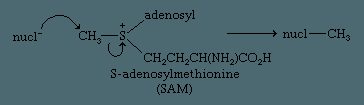
Consider S-adenosylmethionine (SAM). This is the main biological source of methyl groups. Without it, many important methylation reactions in the cell would stop. Then there is thetin, or 3-dimethylsulfonium propanoate ((CH3)2S+CH2CH2CO2-). This compound is found in marine life. This is an example of a zwitterion, an internal ion pair where positive and negative charges coexist in the same molecule. The naming convention for such structures is to attach the acid component to the root name “dimethylsulfonium”.
Another group of interest includes certain (2-hydroxyethyl)dimethylsulfonium salts, (CH3)2S+(O)CH2CH2OH. These are also found in marine life.
In the classic example, sulfur is bound to three carbon groups, but the chemistry is much broader. Sulfonium salts are created when one or more carbon groups are replaced by other elements, such as oxygen, nitrogen, sulfur or halogens. This flexibility opens up potential applications in synthesis and biology.
The Role of Nucleophilic Attack
这些盐的生物学意义取决于特定的机制:对与锍硫键合的碳进行亲核攻击。
这个过程是生物甲基化的基础。 S-adenosylmethionine is the textbook illustration. 带正电的

The chemistry behind sulfur ylides and their synthetic power
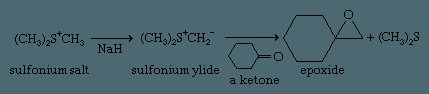
When you treat sulfonium or oxosulfonium salts with a base, something special happens. The proton goes. The result is a zwitterion that has a negative charge and sits on the carbon right next to the positively charged sulfur. Chemists call these compounds sulfonium ylides and oxosulfonium ylides. In general, they fall under the umbrella of sulfur ylides and mirroring the phosphorus versions used in the famous Wittig reaction.
Their structure is similar to sulfoxides and sulfones. Why does the negative charge on carbon remain stable? The main thing is the high polarizability of sulfur.
This stability leads to a divergence from phosphorus chemistry. While phosphorus ylides convert aldehydes and ketones to olefins, sulfur ylides do something different. They produce epoxides, also called oxiranes. This reaction is a staple in organic synthesis.
If you start with optically active sulfonium or oxosulfonium salts, you can create chiral ylides. These are suitable for the asymmetric synthesis of chiral epoxides and other complex products. You can even use aminosulfoxonium ylides to create “designer” polymers—materials with groups that traditional polymerization methods simply cannot access.
Sulfur has another trick up its sleeve. Triarylsulfonium salts react to ultraviolet light by releasing protons. This acid photogeneration is not just a laboratory curiosity. It has serious practical applications.

Geometry of hypervalent sulfur
Most chemistry students learn the octet rule early on: Atoms want eight electrons in their outer shells. However, Sulfur is a rule breaker. In compounds such as SF4 and SF6, it exceeds this limit. Here we look at the SR4 and SR6 structures, where sulfur has ten or twelve valence electrons. This is not just theoretical nonsense. It changes the way the molecule sits in space and how it reacts.
Take SR4. These are called sigma-sulfuranes. The name is derived from the specific bond structure. Martin’s nomenclature gives them the code: (10-S-4). Break it. The “10” is the total number of electrons around the sulfur. “4” is the number of bound ligands. Very easy.
The form is more important than the label. These molecules have a trigonal-bipyramidal structure. Two positions are axial. Three are equatorial. When you have a lone pair of electrons, it just doesn’t sit anywhere. It is located at the equatorial point. Always. Why? Because there is more space at the equator. Less repulsion. The molecule moves to the lowest energy state by pushing the lone pair of electrons to the side.
This is not just about sulfur. Similar hypervalence is observed for phosphorus and arsenic. But sulfur’s size and electronegativity make its geometry particularly distinctive. Axial bonds are usually longer than equatorial bonds. The lone pair pushes back. Hard.
Lone pairs of electrons in trigonal-bipyramidal sulfuranes are always in equatorial positions to minimize electron repulsion.
This structural peculiarity determines the reactivity. A nucleophile attacking an SR4 compound doesn’t just hit the sulfur. It has to navigate that lone pair. must navigate. It has to choose an axial path. Geometry forces a specific reaction path. Stereochemistry is not optional here. It is built into the shape.
SF6 is inert. Everyone knows that. It’s an electrical insulator. But SR4? It’s different. Ligands S-R are not only fluorine. They are carbon chains. Organic groups. This makes the molecule reactive. Useful. The hypervalent state is temporary. It exists to allow a reaction and then collapses.
Consider the mechanism. The ligand leaves. Sulfur drops in a coordinated manner from fivefold to fourfold. The geometry changes. Tetrahedral. The octet rule snaps back into place. But as long as these five bonds exist, the molecule is a separate entity. No transition state. Not a fleeting ghost. A real, isolable compound if you’re quick and cold enough.
Which ligands stabilize this? Fluorine helps. It’s small. It is electronegative. It pulls density away from sulfur so it can handle the extra electrons without breaking down. But organic ligands? They are bigger. They push back. Therefore, SR4 compounds are more difficult to make. You need strong donors. Or you need a substrate that is desperate to lose a group.
The classification (10-S-4) remains. It is descriptive. It predicts the shape. It predicts behavior. But that doesn’t explain why sulfur can do this at all. Molecular orbital theory gets complicated here. d orbitals? Perhaps. Resonance structures separated from charges? Perhaps. The debate rages on

The unstable nature of hypervalent sulfur
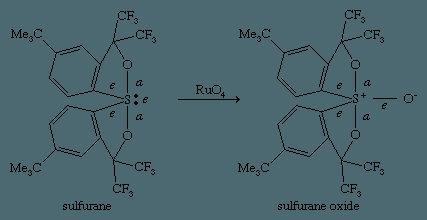
It depends on electronegativity. If you look at σ-sulfuranee, the two ligands that are most aggressively electron-seeking occupy the apical sites. Less demanding groups settle in equatorial locations. This is not just geometry for geometry’s sake. It’s about the stability of a molecule that is basically fighting itself.
The central sulfur atom is locked in a three-center, four-electron bond. It’s a strange arrangement. Sulfur holds on to more electrons than it should, expanding its valence shell beyond the normal octet. That is why these are called hypervalent compounds. And this extension is the problem.
Because the central atom is desperate to return to its safe eight-electron state, these molecules are inherently unstable. They want to break up. They want to kick out one or more ligands and go back to normal.
Take tetrakis-(pentafluorophenyl)sulfurane, which is written as (C6F5)4S. It can be made, but only if the temperature is kept below 0 °C (32 °F). Heat it even a little and it will break down. It decomposes into C6F5C6F5 and C6F5SC6F5. A molecule simply cannot maintain a hypervalent state if thermal energy allows it to escape.
However, there are exceptions. If you keep the moisture out, some sulfuranees are surprisingly durable. Acyclic and cyclic dialkyloxysulfuranees with the formula R2(R′O)2S can remain at room temperature without exploding. This stability makes them useful. Chemists don’t just study them for theoretical reasons; They use them as reagents in organic synthesis.
Then there are relatives. When you oxidize sulfuranee, you get sulfuranee S-oxide, which is classified as (10-S-5). If you push it further, you get persulfuranees, six-coordinate compounds like SR6. They have six ligands and a square-bipyramidal structure. They are marked (12-S-6).
These, like their σ-sulfuraneee cousins, are hypervalent. Their valences have expanded. They are less stable than traditional organic molecules. They are in a tense state and are waiting for the right condition to release the ligands and calm down. But in the right environment and with the right protection, that tension becomes a tool. A way to build something more complex.


