Botany is full of linguistic traps. The word “nut” sounds simple. It implies something hard, round, and edible. But in the strict scientific sense, a true nut is a specific mechanical classification that most things we call nuts fail to meet.
A botanist defines a nut as a dry, hard fruit. Crucially, it does not split open at maturity. This lack of dehiscence is the defining feature. The fruit releases only a single seed. It resembles an achene. The difference lies in its origin. An achene develops from a single carpel. A true nut develops from more than one. The result is a larger fruit with a tough, woody wall.
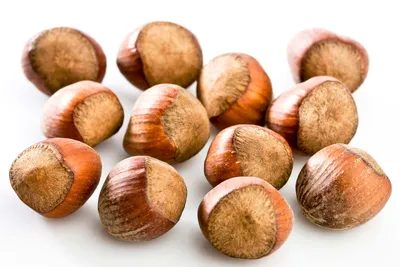
This definition excludes the grocery store aisle. The almond is a seed inside a drupe. The peanut is a legume. Only a handful of plants earn the title. The chestnut fits. The hazelnut fits. The acorn fits. These are the true nuts. Everything else is a culinary impostor.
The Structural Distinction
Why does this distinction matter? It reveals how plants protect their reproductive future. A woody wall is not just packaging. It is armor. It keeps the seed safe from insects, rot, and animals until conditions are right for germination. The multi-carpel structure adds complexity. It allows for a more robust shell than a single-celled fruit could provide.
Consider the chestnut. It hangs in a spiny burr. The nut itself is hard. It does not split. You pry it open. Inside is one seed. The same logic applies to the acorn. The woody casing encloses a single embryo. The hazelnut follows the same rule.
“A true nut does not split open at maturity to release its single seed.”
This contrasts sharply with other dry fruits. Legumes split open. They dehisce. Peas and beans are classic examples. They burst open when dry. Nuts do not. They require mechanical force to open. Or they rot away. The seed remains trapped until the shell decays.
Beyond the Shell
The confusion stems from common usage. We eat hazelnuts. We eat almonds. We call them nuts. The language is flexible. Science is not. The botanical definition is rigid. It relies on carpel count and fruit mechanics.
Most people encounter this discrepancy at the dinner table. Pecans are drupes. Walnuts are drupes. Brazil nuts are capsules. Cashews are seeds of a false fruit. None are true nuts. Only chestnuts, hazelnuts, and acorns hold the title.
This matters for classification. It matters for understanding plant evolution. It matters for anyone who wants to know exactly what they are eating. The next time you crack an acorn, remember the multi-carpel wall. The next time you buy almonds, remember the drupe. Language is loose. Botany is precise.
The Botanical Lie of the Nut Bowl
We eat them as snacks. We grind them into butters. We toss them into salads. But if you ask a botanist what a “nut” actually is, you will likely get a sigh. The term is a culinary convenience. It is a shorthand that ignores the messy reality of plant biology.
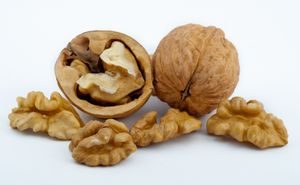
Take the walnut. It looks like a nut. It tastes like a nut. It is technically the seed of a drupe. That is the same fruit category as peaches or cherries. The hard shell is the endocarp. The fleshy part you might have seen rotting on the ground is the exocarp. Now look at the pistachio. Also a drupe seed. Almonds? Drupes. Coconuts? Massive, fibrous drupes.
“Many edible oily seeds are popularly called ‘nuts,’ especially those with a hard shell.”
This classification collapses further when you step away from the tree line. The peanut does not grow on trees. It is a legume. It develops underground. It shares its family with beans and peas. If you have an allergy to peanuts, your immune system is reacting to a bean protein, not a tree nut protein. Yet regulatory bodies often group them together for labeling purposes. It is a safety net that confuses the very people it tries to protect.
Then there is the Brazil nut. It comes from a capsule fruit. A woody pod that bursts open with explosive force to release its seeds. This is not a simple shell. It is a complex dispersal mechanism evolved by a rainforest tree to ensure its offspring survive.
The distinction matters. Not just for trivia. It matters for allergies. It matters for agriculture. It matters for understanding where our food actually comes from. We categorize by taste and texture. Nature categorizes by genetics and fruit structure. The gap between the two is where the real story lives.
When you crack open a coconut, you are holding a seed from a drupe. When you shell a peanut, you are handling a legume. The labels on the jar are wrong. The reality is far more interesting.