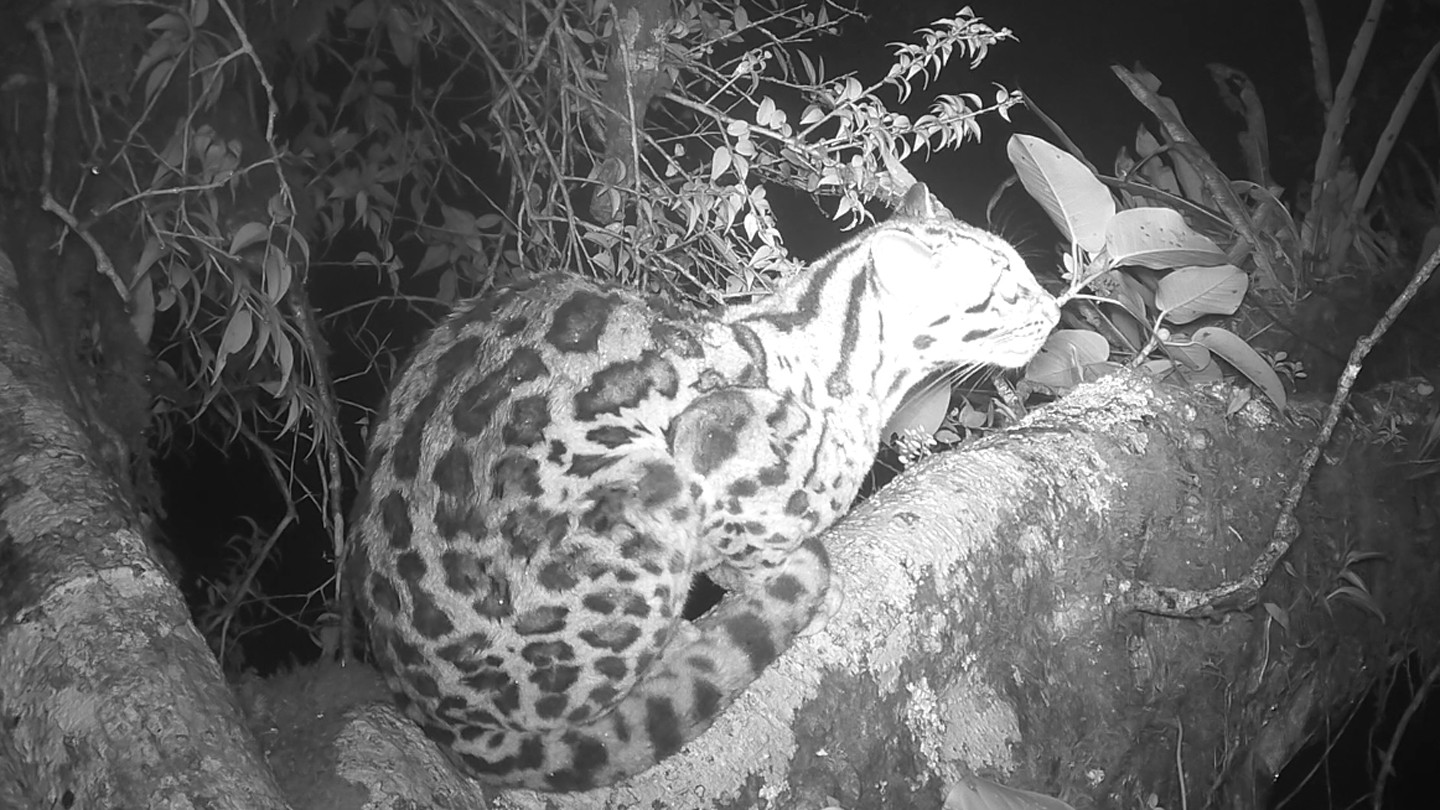
The tree isn’t just shelter. For sloths, it’s the toilet.
Specifically, a three-fingered sloth climbing down to the forest floor twice a week to defecate. It seems absurd. It’s dangerous. Predators love exposed prey. Yet there it is. The number one choice for “going number two” is right outside your front door, in the dirt, after a perilous crawl.
The act defies the sloth’s entire reputation for safety.
Let’s look at the machinery. Sloths are slow-moving plant-eating mammals. Western Hemisphere tropical rainforests are their domain. They spend four to nine hours sleeping a day, usually hanging upside down. Why drop? To poop. In a mound of leaves.
Symbiosis drives this oddity. A relationship. Close contact between species. The sloth digs the hole. Deposits waste. Leaves nutrients in the soil. The tree gets fertilizer. Fertilizer for a keystone species, the plant life that supports everything else. The sloth eats that tree’s leaves. It’s a cycle. Reciprocal.
Look at the neighbors in the canopy. The capuchin monkeys. New World. Dark fur. Creamy faces. Pinkish, almost hairless. They used to be Cebus. Then Sapajus. Scientists split them in 2012. Robust versus gracile. Evolution happens. They eat fruit. Insects. Birds sometimes.
Kinkajous share the space. Raccoon-relatives. Golden-brown. Night-dwelling. From Mexico down to South America. They have prehensile tails. Fifth limbs. Eat with their feet? Basically. Stabilize on branches. Fast asleep while you’re trying to understand ecology.
And coatis? Ring-tailed mammals. Americas only. Long snouts. Masked faces. Longer than raccoons. Flexible noses digging in the leaf litter. Where the sloths pooped.
Why is this hard? The habitat. Cloud forests. Mist-shrouded. Volcanic mountainsides. High up. Steep. Historically inaccessible. That isolation built biodiversity. Rich diversity of species. But it’s threatened now. One of the more vulnerable tropical ecosystems.
A forest is land covered mostly by trees. Woody plants. Simple. Ecology studies how those things interact. Organisms. Bacteria to elephants. Microorganisms. Physical surroundings. Climate. It’s all an ecosystem. Tied together. Tropical reefs, alpine meadows, polar tundra, or even the internet, strangely. But in Costa Rica? The rain is real.
Costa Rica sits between Nicaragua and Panama. Pacific and Caribbean. Five million people. Almost a quarter protected rainforests. Quetzal birds fly there. Spider monkeys swing. But the sloth stays put. Or crawls. Slowly. To the ground. To leave a gift for the roots.
We define a species by its ability to reproduce. Offspring surviving. Passing it on. Mammals are warm-blooded. Live young. Milk. Fur. Endothermic. Sloths check the box. Even if their strategy looks lazy to us. It’s not. It’s survival. Evolution favors what works, not what’s pretty or safe.
So they drop. Every fortnight. Dig the hole. Do the business. Climb back up. The predators wait below. Coatis watch. The tree absorbs. The system hums along.
Do you think it’s worth the risk?
The answer is out there, hidden in the mist of a cloud forest, or buried under the canopy where a coati might find a trace. Nothing wraps up neatly here. Life just… persists. Sometimes by defecating. Often by keeping going.