You probably think your handedness is fate. Maybe even destiny. Or just hard-wired into your skull before you ever drew breath.
Turns out, you might be wrong.
Neurologists at UCLA and Johns Hopkins have some news for the believers in innate talent. It’s not about the brain being pre-destined for a specific arm. It’s about practice. Just that.
“Limb dominance reflects asymmetric practice with tools…”
That’s the thesis from Ahmet Arac and his colleagues, published in the Proceedings of the National Academy of sciences. They’re flipping the script. Instead of saying the dominant hemisphere is just better at moving things around, they suggest it’s simply the side you’ve hammered away at all day long.
But here is the catch. Testing this is a nightmare. Everyone is already right- or left-handed. The bias is baked in. You can’t un-practice a lifetime of using chopsticks or holding a phone.
So the researchers did something weird. They strapped pens to elbows.
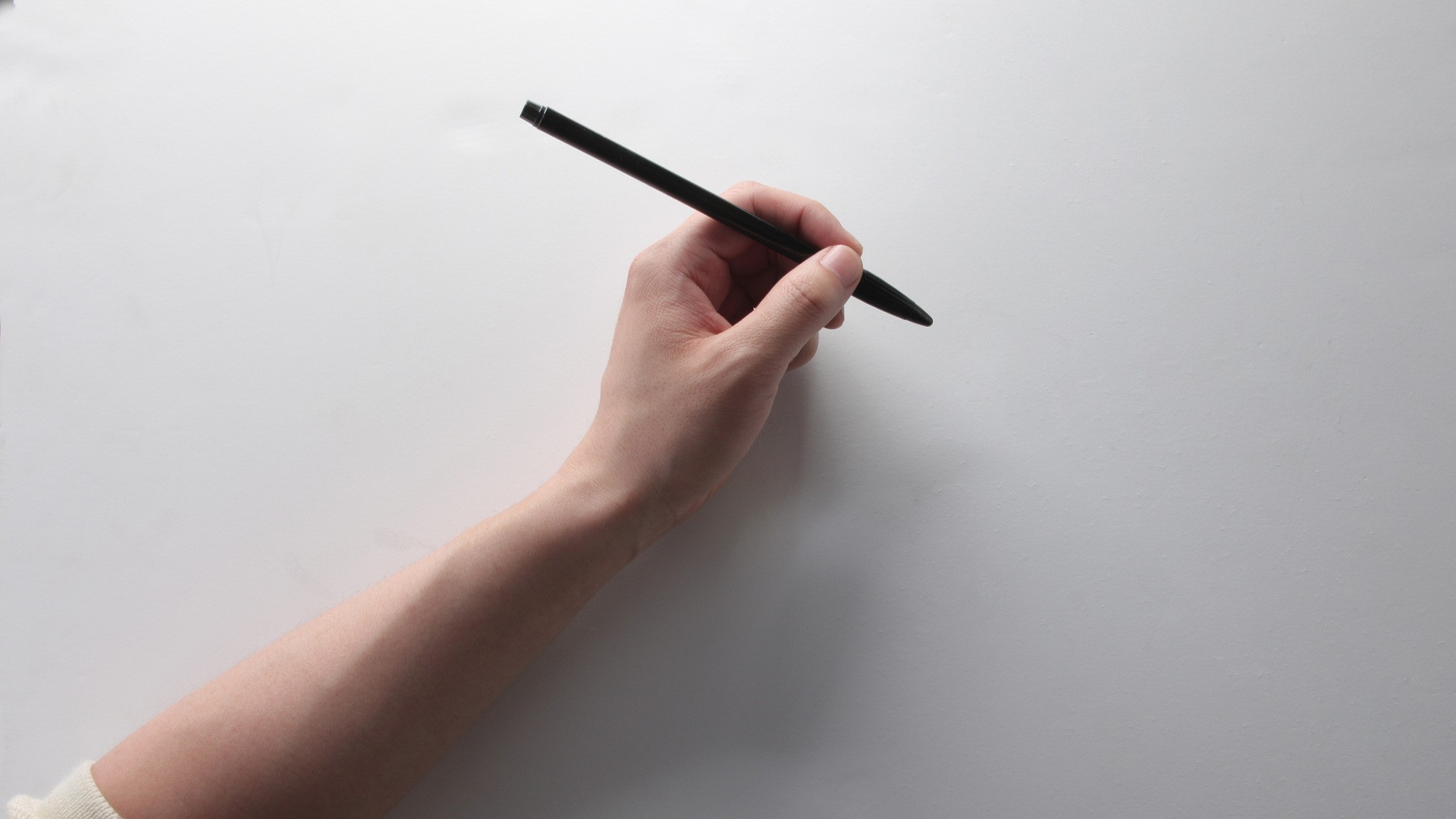
If your right brain were truly the boss, moving the right side should be easier than the left, no matter what appendage you are using. Right? They got healthy, right-handed people to write ‘A’s and ‘8’s with their hands first. Easy-peasy. Then, they switched to elbows. Pen pointing down, strapped tight, zero dexterity expected.
The results were embarrassing for everyone.
Right elbow performance was garbage. Left elbow performance? Also garbage. The neural network grading the scribbles found no difference. Not a shred of advantage for the dominant side. When time spent writing was factored in—maybe one elbow moved faster? No. Still nothing.
“Dominance disappeared.”
Think about that for a second. The superiority of the right hand evaporated the moment the tool changed from hand to elbow.
To be sure, they let half the group train with their right elbow. The other half trained with the left. Both sides were terrible to start. Naturally. But after some drilling? Both elbows improved. Substantially.
This isn’t about anatomy. It’s not that elbows are bad. They’re just unused.
The study kills two birds with one stone. First, yes, we can learn weird skills. Second, your ‘gifted’ right hand? It’s not gifted. It’s trained. The advantage isn’t a neurological superpower. It’s just mileage.
Why do we prefer our right racket or left pen? Because they act as extensions of that practiced limb. Remove the tool. Change the body part. The edge is gone.
Arac sums it up nicely. The brain doesn’t have a preferred side for fine motor skills out of the box. It builds the side that does the work. Take away the work—use the elbow, a foot, a nose—and the hierarchy flattens out.
It makes you wonder about other so-called innate talents. Maybe they’re just habits dressed up as gifts.