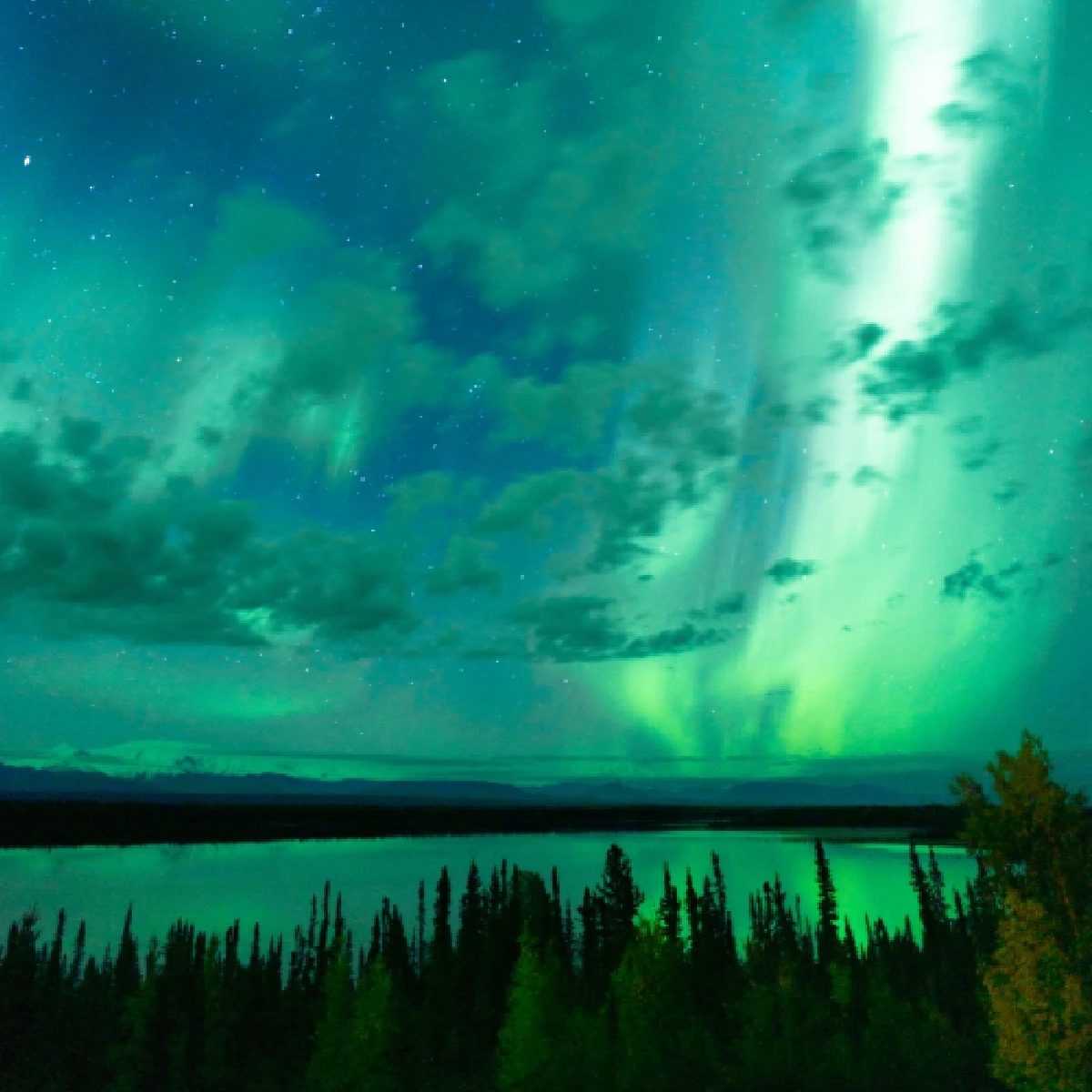
There is a specific kind of silence that happens when you look up at a pitch-black sky and watch the stars get eaten by green, purple, and crimson ribbons. It feels less like a weather event and more like a glitch in the matrix. Or perhaps just a reminder of how small we are.
This is the Aurora Australis. Also known as the Southern Lights, it is the high-latitude counterpart to the more famous Aurora Borealis. But while the North gets the press, the South is arguably more elusive. And consequently, more rewarding.
What Causes the Aurora Australis?
You might wonder how solar wind turns into a light show. It starts with the sun. The star constantly spits out charged particles. When these particles hit Earth’s magnetic field, they get funneled toward the poles. That is where the magic happens.
As these particles collide with gases in the upper atmosphere, they excite the atoms. Oxygen gives off green and red light. Nitrogen produces blue or purple hues. The result is a dancing curtain of energy.
“The Aurora Australis is a natural spectacle created by solar wind interacting with Earth’s atmosphere, visible primarily in the Southern Hemisphere.”
It is not just pretty colors. It is physics made visible. The same force that protects us from harmful radiation is also painting the sky. Without that magnetic shield, life as we know it would be much harder. The lights are a side effect of our planetary defense system working overtime.
Where Can You See the Southern Lights?
Location matters. You cannot just look up and expect to see them anywhere. The auroral oval is centered around the magnetic south pole. This means you need to be far south.
Prime viewing spots include:
- Southern New Zealand (especially Stewart Island)
- Tasmania, Australia
- The southern tips of Chile and Argentina
- Antarctica (if you can afford the trip)
The further south you go, the better. In places like Christchurch or Wellington, you might catch a glimpse near the horizon. But to see the full vertical arch, you need to be in the deep south. Latitude 45 degrees and below is usually too far north. You need to be at least in the mid-50s.
Timing is equally critical. You need darkness. This means the winter months in the Southern Hemisphere are best. June through August offers the longest nights. But it is not just about being dark. You need clear skies. Cloud cover will ruin everything.
How to Photograph the Aurora Australis
Most people look up. Only a few bother to capture it. The difference is patience and gear. Your phone might struggle. A DSLR or mirrorless camera with a wide aperture lens is better.
Here is the reality of shooting the Southern Lights:
- Long exposure: You need to let the sensor gather light. 10 to 30 seconds is common.
- Tripod: Absolute necessity. Any shake will blur the image.
- Low ISO: Start low to reduce noise, then increase as needed.
- Manual focus: Autofocus will hunt in the dark. Set it to infinity.
It is frustrating. The lights often move faster than you expect. By the time you adjust your settings, the curtain

Aurora Australis, yani Güney Işıkları, gökyüzündeki en büyüleyici doğa gösterilerinden biri. Adı, “güney ışıkları” anlamına geliyor. Kuzey Işıkları (Aurora Borealis) ile neredeyse aynı mekanizmayla oluşuyor. Bu iki olay aslında aynı fiziksel sürecin farklı coğrafyalardaki yansıması. Güney Yarımküre’de, özellikle Antarktika yakınındaki bölgelerde ortaya çıkıyor.
Peki neden Kuzey Işıkları kadar popüler? Cevap basit. Güney Işıkları, nadir olarak görülüyor. Gezegenin güney kutbundaki kara kütlesi çok sınırlı. İnsan nüfusu da bu bölgelerde minimal. Kuzey Yarımküre’de ise Kanada, İzlanda, Norveç gibi daha erişilebilir ve kalabalık yerler var. Bu coğrafi ve demografik fark, Kuzey Işıkları’nı daha sık ve kolay gözlemlenebilir kılıyor.
Güneş aktivite döngüsü her şeyi belirleyen ana unsur. Güneşin manyetik alanlarındaki dalgalanmalar, yüklü parçacıkları (plazma) Dünya’nın manyetik kutuplarına doğru yönlendiriyor. Bu parçacıklar, atmosferdeki gaz molekülleriyle çarpıştığında ışık yayıyor. Kuzey Yarımküre’de manyetik alanlar daha yoğun etkilendiğinde, Kuzey Işıkları daha belirgin hale geliyor. Ancak bu dinamik çift taraflı. Güney Yarımküre’de de aynı süreç işliyor.
Güney Işıkları da görsel bir şölen. Renkleri, morlardan yeşillere, kırmızılardan meralara uzanıyor. Gözlemciler için bu gösteriyi izlemek bir tutku. Meraklıları gün sayarak bekliyor. Planlar aylar öncesinden yapılıyor. Uçuşlar, konaklamalar, hava durumu tahminleri… Hepsi birer puzzle parçası. Bu kadar emek, bu kadar detaylı hazırlık gerektiren bir deneyim.
Ancak burada bir yanılgı var. Güney Işıkları “daha az” güzel. Tam tersi. Daha az insana tanınan bir güzellik. Daha az ışık kirliliğinin olduğu, daha karanlık gökyüzleri. Bu, deneyimi daha saf ve huzurlu kılıyor.
Güney Işıkları Nerede ve Nasıl Görülür?
Aurora Australis’i izlemek için doğru konuma gitmek şart. Ana izleme noktaları Yeni Zelanda’nın güney adası, Avustralya’nın en güneyi, Şili ve Arjantin’in Patagonya bölgesi. Bu bölgeler, manyetik kutba yakınlıkları ve düşük nüfus yoğunluklarıyla öne çıkıyor. Yeni Zelanda,
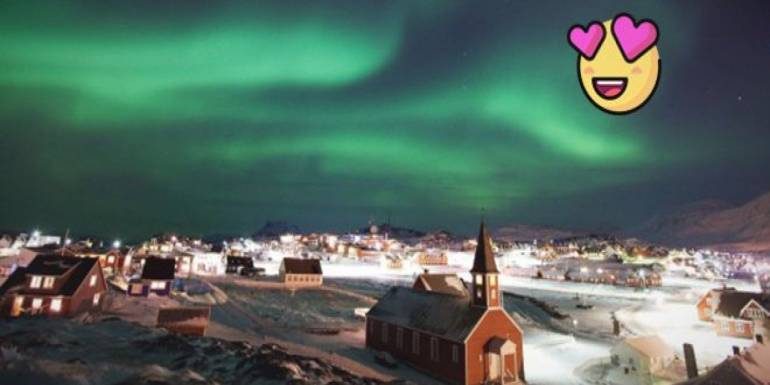

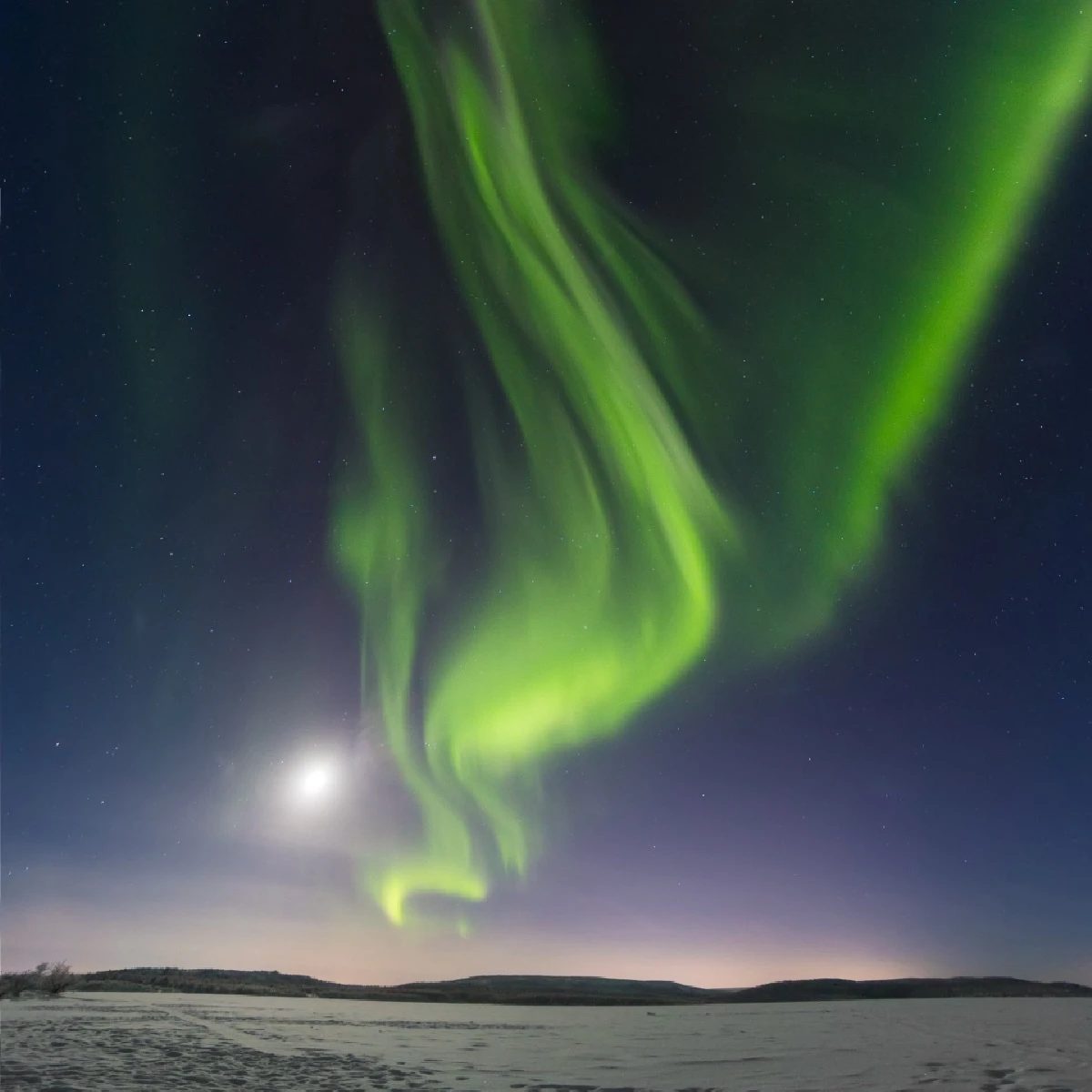
Güneşten fırlayan o meşhur yüklü parçacıklar — elektronlar ve protonlar — Dünya’nın manyetik kalkanına çarptığında sadece bir fizik dersi değil, gökyüzünde bir dans başlıyor. Aurora Australis, yani Güney Işık Perileri, bu çarpışmanın sonucunda doğuyor. Manyetik alanımız bu parçacıkları yakalayıp atmosferin üst katmanlarına doğru yönlendiriyor. Burada, yüksek enerjili bir temas yaşanıyor. Atmosferdeki gaz molekülleri uyarılıyor. Uyarılan o moleküller, enerjiyi ışık olarak geri salıyor. İşte o sırada gökyüzü renkleniyor. Mor, yeşil, kırmızı ve hatta turuncu tonlar dans ediyor. Bu görüntü, özellikle Güney Kutbu’na yakın, karanlık ve izole bölgelerde en net şekilde kendini gösteriyor.
Peki bu olay tam olarak nerede gerçekleşiyor? Ve görebilmek için hangi noktalara gitmek gerekiyor?
Aurora Görülebilecek En İyi Konumlar Nelerdir?
Aurora Australis’i izlemek için Kuzey Işıkları’na gidip kuzey yarımküreye bakmak mantıksız. Bu gök cisimleri sadece güney kutup bölgesinde, yani Antarktika’nın çevresinde görülür. Ancak Antarktika’ya gitmek son derece pahalı ve zorlu bir lojistik işidir. Şanslıysanız, daha erişilebilir kıyılardan da bu dansı izleyebilirsiniz.
İşte Aurora Australis’in görülebileceği en güzel noktalar :
- Avustralya: Tazmanya, özellikle Hobart ve kuzeydeki şehirler, en popüler izleme noktalarından biridir. Yaz aylarında (güney yarımküre kışı), yani Haziran ile Eylül arasında en iyi imkanlar burada sunulur.
- Yeni Zelanda: Güney Adası,尤其是 Queenstown, Tekapo Gölü ve Stewart Adası, karanlık gökyüzü ve temiz atmosferiyle öne çıkar.
- Güney Amerika: Şili ve Arjantin’in güney bölgeleri, özellikle Punta Arenas ve Ushuaia gibi şehirler, aurorayı gözlemlemek için stratejik konumlardadır.
- Afrika: Güney Afrika’nın en güney ucundaki kıyılar, bazen güçlü güneş fırtınaları sırasında aurorayı gösterebilir.
- Antarktika: Tabii ki en yakın nokta burasıdır. Araştırma istasyonlarından yapılan turlar, aurorayı en yakından izleme fırsatını sunar.
Bu bölgelerden herhangi birinde olduğunuzu varsayalım. Şimdi nasıl daha iyi bir deneyim yaşayacağınızı düşünelim.
Aurora İzlemek İçin Nereye Gitmeli?
Sadece “güney yarımküre” demek yetmez. Işık k
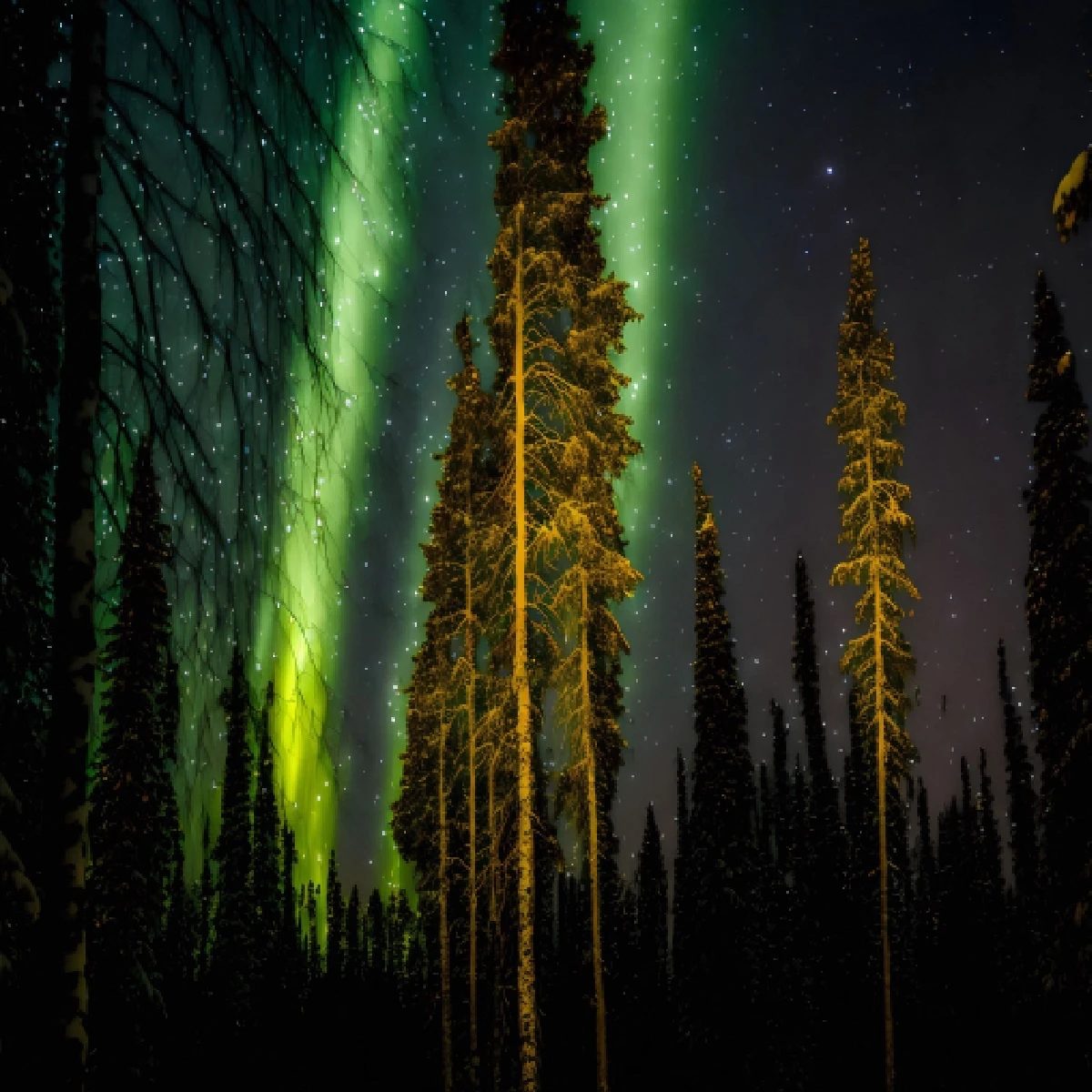
Where to See the Aurora Australis
The Aurora Australis doesn’t show up just anywhere. It’s a creature of the deep south, born in the polar regions of the Southern Hemisphere. If you’re looking for it, stop checking skies over Europe or North America. You need to go where the magnetic field dips lowest. That means near the South Pole. Specifically, you need to be south of the Antarctic Circle.
This isn’t a light show for suburban backyards. The aurora usually forms in isolated zones far from major population centers. Light pollution and urban sprawl aren’t the main enemies here; the sheer distance is.
Best Viewing Locations
You won’t see it from Antarctica itself easily—that’s research stations and ice, not tourist hubs. The real action happens on the fringe. These are the places closest to the action, where the sky turns green, purple, and red.
Antarctica
Technically the best place to see it. It’s right under the oval. But it’s hard to get to. Expensive. Logistically nightmarish. Unless you’re on an expedition cruise, this isn’t a practical option.
Southern South America
Chile and Argentina offer some of the most accessible views. Places like Ushuaia sit at the very bottom of the continent. The sky here is dark, remote, and often clear. It’s one of the most popular spots for serious observers.
Australia
You can see it in the southern parts, particularly Tasmania and Victoria. But be warned. It’s fainter here than further south. You need pristine conditions. No moonlight. No clouds. And you need to drive hours away from cities like Melbourne.
New Zealand
The South Island is the prime spot. Stewart Island, Invercargill, Milford Sound. The landscapes provide dark skies and dramatic backdrops. It’s accessible. You don’t need a research vessel. You just need a rental car and patience.
Southern Africa
South Africa works too. The southern tip, near Cape Town, can offer glimpses. It’s less consistent than New Zealand or Patagonia. Atmospheric conditions and light pollution in coastal areas can ruin the view. But it’s possible.
Why Is It Harder to See Than the North?
People ask about the Aurora Borealis all the time. It’s easier to market. You can see it from Norway, Canada, Alaska. More people live in the Northern Hemisphere. More infrastructure. More tours.
The Southern Hemisphere has less landmass near the pole. Fewer cities. Fewer roads. The aurora often occurs over the ocean or ice sheets where no one lives. When it does push north enough to be seen from populated areas, it’s usually lower on the horizon and weaker.
How to Plan Your Shot
You can’t just show up. The aurora is unpredictable. It depends on solar activity. Geomagnetic storms. Kp index values.
- Check the forecast. Apps like My Aurora Forecast or Space Weather Live will tell you where the oval is currently centered.
- Go dark. Find the darkest sky you can. Rural areas are best.
- Wait for night. The aurora is best seen between 9 PM and 2 AM local time.
- Be flexible. It

Neden Kuzey Işıkları Daha Popüler?
Aslında ikisi de aynı senaryonun farklı bir sahnesi. Aurora Australis (Güney Işıkları) ve Aurora Borealis (Kuzey Işıkları) arasında teknik bir fark yok. Oluşum mekanizmaları aynı. Güneşten fırlayan yüklü parçacıklar, Dünya’nın manyetik kalkanından sızıp atmosferin üst katmanlarına çarparak gaz moleküllerini uyarıyor. Bu çarpışma ışık yaratıyor. Renkler değişiyor. Dans ediyor. İzleyiciler hayrete giriyor.
Peki neden Kuzey Işıkları daha çok konuşuluyor? Çünkü daha fazla insan orada yaşıyor.
Güney Yarımküre’deki kara kitleleri daha az. Yeni Zelanda, Avustralya, Şili, Arjantin ve Antarktika kıyıları başlıca izleme noktaları. Bunlardan hiçbiri, İskandinavya’nın kalabalık şehirleri veya Kuzey Amerika’nın metropolitan bölgeleriyle kıyaslanamaz. İnsan nüfusunun yoğunluğu, fenomenin popülerliğini doğrudan etkiliyor. Ayrıca, Güney Işıkları’nı izlemek genellikle daha zor bir lojistik planlama gerektirir. Karanlık, soğuk ve erişimi zor bölgeler.
Fakat bir gözlemci olarak bakarsanız, iki deneyim de neredeyse aynı. Tek fark coğrafi konum.
Güney Işıkları Ne Zaman Görülür?
Eğer Güney Işıklarını izlemek istiyorsanız, takvime ve mevsime dikkat etmeniz gerekir. Aurora Australis, Güney Yarımküre’nin kış aylarında daha nettir. Neden? Çünkü gece daha uzun. Daha uzun karanlık, gökyüzündeki ışık gösterisini net bir şekilde görme şansınızı artırır.
Genel olarak, Aurora Australis gözlemi için en iyi dönem Mart’tan Eylül’e kadar sürer. Ancak en yüksek aktivite olasılığı, Güney Yarımküre’nin yazına denk gelen Aralık, Ocak ve Şubat aylarında yaşanır. Bu ay, güneş rüzgarları genellikle daha aktif olur. Manyetik fırtınalar daha sık gerçekleşir. Işıklar daha parlak ve daha geniş bir alanda belirir.
İzlemek istediğiniz yere göre zamanlama değişir. Örneğin:
- Avustralya ve Yeni Zelanda: Haziran ile Ağustos arasındaki kış aylarında daha uzun geceler sunar. Ancak güneş aktivitesi kışın daha düşük olabilir.
- Antarktika ve Güney Okyanus Adaları: Yaz aylarında (Aralık-Şubat) güneş ışınımı daha güçlüdür. Manyetik aktivite de bu dönemde artar. İdeal izleme koşulları burada daha uygundur.
Önemli olan, tam karanlık geceleri bulabilmektir. Işık kirliliğinden uzak, bulutsuz bir gökyüzü şart.
Hangi Bölgeler
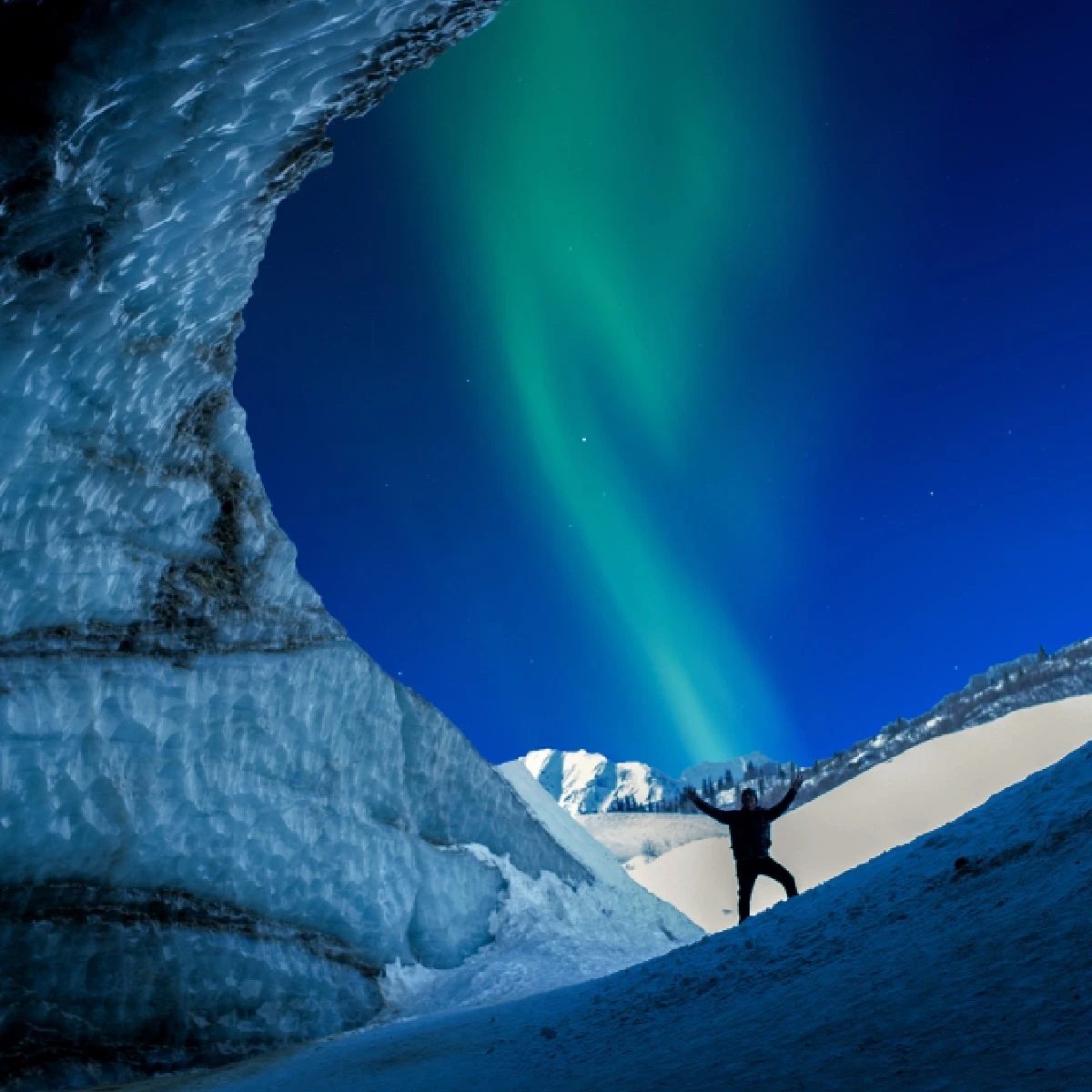
The internet is full of those mesmerizing shots. Everyone wants to be the one standing under that green curtain of light. The reality is far less predictable. There is no single perfect date stamped on the calendar for spotting the Aurora Australis.
It’s a rare event. Astronomers estimate you’ll only see it clearly about four or five times a year.
You can’t just show up on a whim. You have to time your trip. The southern lights mostly happen during winter months. This creates a specific window for travelers. May through August is your best bet. You need to go to the right place at the right time. Then sit back. Wait. Watch.
Isolation is key.
These lights don’t play well with city glow. You need dark, clear skies. If you are near a streetlamp, you are looking at nothing. You also need to wait until the witching hour. Observing after midnight often yields better results when the atmospheric conditions are most stable.
Where to stand for the best view
Geography matters more than you might think. The Southern Hemisphere offers the prime real estate.
Australia and New Zealand are the top contenders. But not just anywhere in these countries. You need to hunt for remote locations. The further north you are, the higher the lights appear. But the further south, the more likely you are to see the full spectacle.
Finding the right observation spot is non-negotiable.
“The best view requires isolation, darkness, and patience.”
Think about the logistics. You need a location far from light pollution. The sky must be clear of clouds. This rules out many coastal tourist traps during rainy seasons. It demands preparation. It demands checking weather forecasts until your eyes bleed.
Why does this matter? Because missing the window means missing the show. The lights are not a daily feature. They are fleeting. They dance only when solar winds hit the magnetic field just right.
You might end up freezing in the dark for hours. You might end up seeing nothing but stars. But if you get it right? If you find that isolated patch of sky between May and August? You witness something that feels ancient. Something that connects you directly to the sun’s fury.
That’s the gamble. And most people never take it.