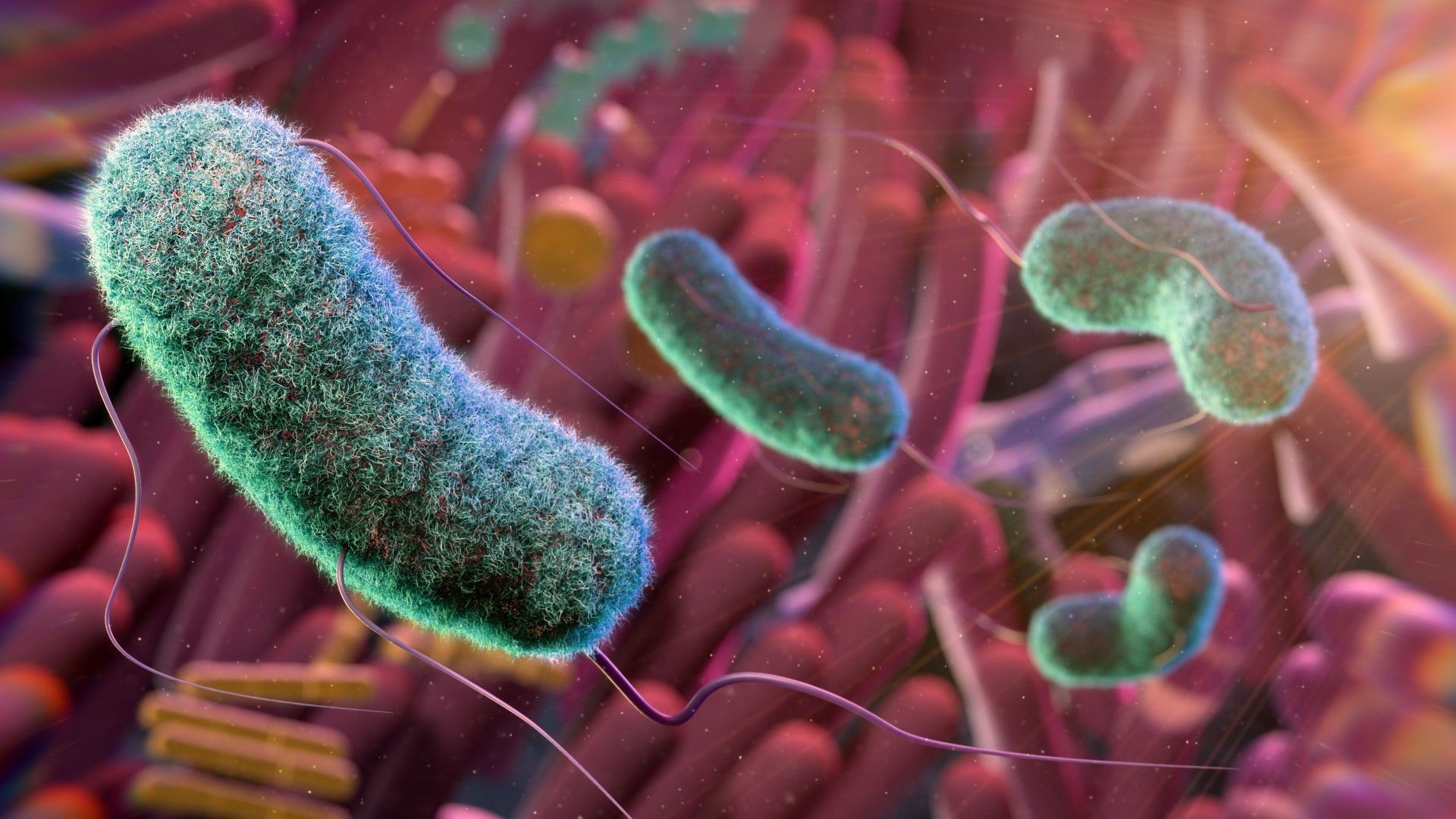
For centuries, humanity has chased the dream of slowing or reversing aging. While mythical fountains of youth remain folklore, emerging science suggests the real secret may lie within the human gut. Researchers are increasingly focused on the gut microbiome – the vast community of bacteria, fungi, and viruses residing in our colon – as a critical factor in how we age.
The Aging Gut: A Microscopic Shift
The composition of the gut microbiome is shaped by genetics, diet, environment, medications, and age itself. As we grow older, this microbial landscape undergoes predictable changes. Older adults typically exhibit reduced microbiome diversity, with a rise in bacteria linked to inflammation and age-related decline. These shifts are so consistent that algorithms can accurately estimate a person’s age based solely on their gut microbiome composition.
However, not everyone ages the same way. Individuals who maintain vitality into old age—including “supercentenarians”—often possess a gut microbiome that resembles those of younger people. This suggests that a “youthful” microbiome isn’t just correlated with healthy aging; it may actively promote it.
Proof of Concept: Microbial Transplants
Rigorous scientific experiments, though not yet widely applicable, provide compelling evidence. Fecal microbiota transplantation (FMT), where gut microbes from one individual are transferred to another, demonstrates the direct link. Studies show that transplanting gut microbes from young mice into elderly mice reverses age-related inflammation in the gut, brain, and eyes. Conversely, transplanting microbes from old mice into young ones accelerates aging processes.
While FMT is currently reserved for severe medical cases (like C. difficile infections), these findings drive the search for safer ways to manipulate the microbiome.
Diet, Exercise, and the Microbiome
The most accessible approach to cultivating a healthy microbiome is through lifestyle. Diet plays a dominant role : ultraprocessed foods deplete microbial diversity rapidly, while fiber-rich diets foster a more robust and age-friendly gut ecosystem. Studies demonstrate that increasing fiber intake can improve healthy aging outcomes by up to 37% in women.
Fiber acts as a prebiotic, feeding beneficial gut bacteria that produce short-chain fatty acids (SCFAs). These SCFAs improve metabolic, brain, and immune function while reducing chronic inflammation. Good sources include fruits, vegetables, whole grains, legumes, nuts, and seeds.
Regular exercise also reshapes the gut microbiome, making it more similar to that of younger adults. Studies show that even 24 weeks of cardiovascular and resistance training can elevate levels of aging-friendly SCFAs in the blood.
Emerging Therapies: Beyond Lifestyle
Beyond diet and exercise, researchers explore advanced therapies. Postbiotics —inactive microbial compounds with potent effects—show promise in animal models for improving age-related heart and lung problems. Low-dose antibiotics can also trigger gut bacteria to release compounds that strengthen the intestinal barrier and reduce inflammation.
Bacteriophages (phages) —viruses that target specific bacteria—offer another potential tool for refining the gut microbiome by eliminating harmful species.
The Future of Aging: A Gut-First Approach?
The evidence linking aging to the gut microbiome is strengthening. While aging remains a natural process, cultivating a healthy gut ecosystem may help individuals enjoy their later years more fully. The emerging science suggests that by understanding and manipulating our internal microbial world, we may not find immortality, but we can significantly improve the quality of life as we age.