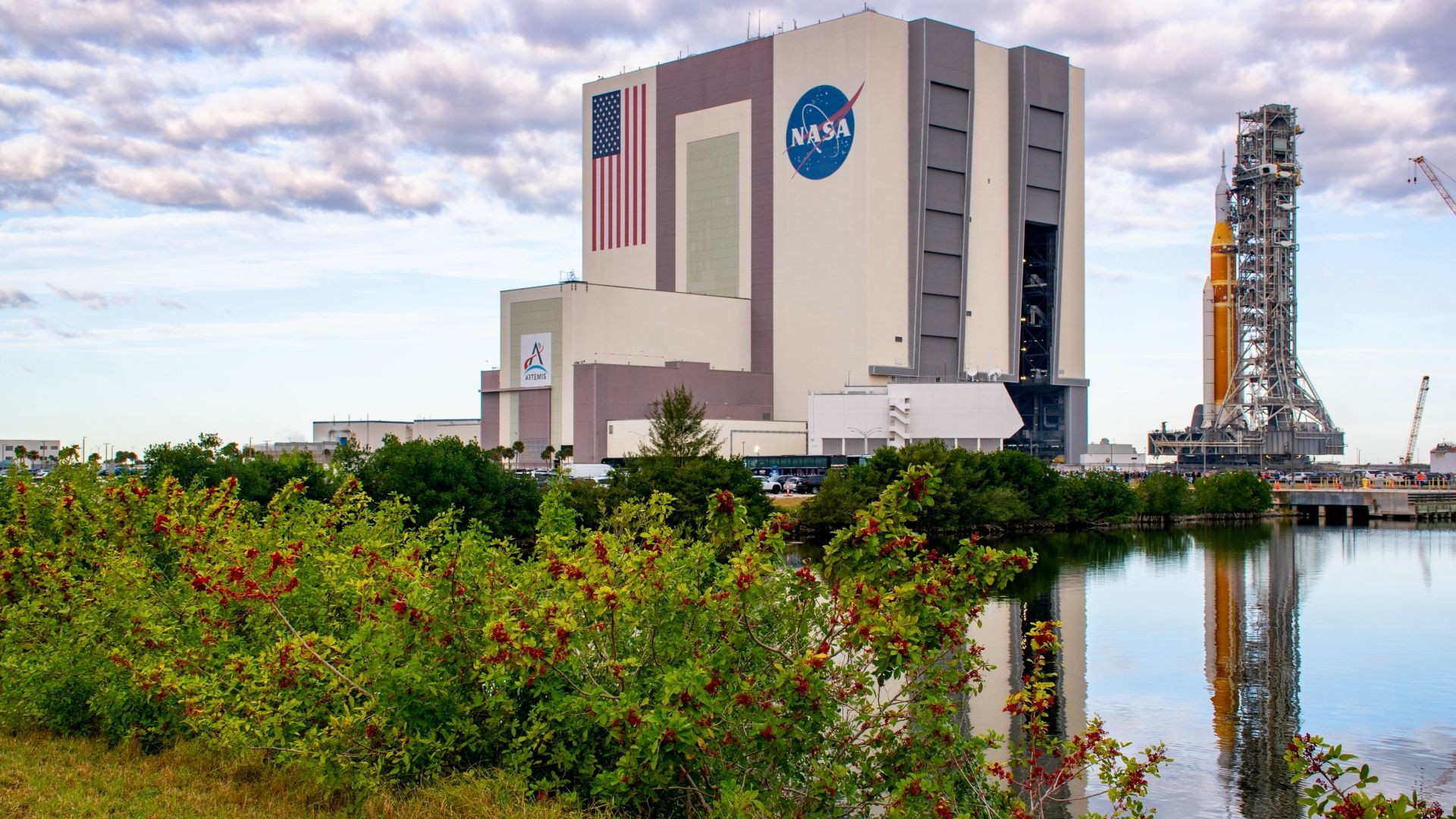
NASA is preparing to move the Space Launch System (SLS) rocket for the Artemis 2 mission to Launch Complex-39B at the Kennedy Space Center in Florida on March 19. The rollout, expected to take up to 12 hours, will begin around 8 p.m. EDT. This follows a brief delay caused by the need to replace an electrical harness for the flight termination system, but does not affect the planned launch window of April 1-6.
Mission Overview: First Crewed Lunar Flight in Decades
Artemis 2 is a landmark mission: the first crewed flight in NASA’s Artemis program, and the first time humans will journey to lunar space in over half a century. The ten-day mission will carry astronauts Reid Wiseman, Victor Glover, Christina Koch, and Canadian astronaut Jeremy Hansen around the moon.
This mission is critical as a stepping stone to more ambitious goals: it will test deep-space life support systems and prepare for future lunar landings. NASA aims to establish a long-term human presence on the moon, similar to the sustained operation of the International Space Station.
Why the Delay Matters: Testing and Reliability
The rocket was initially rolled to the launchpad in January but was returned to the Vehicle Assembly Building (VAB) after issues were detected during fueling tests. The current delay, though minor, highlights the rigorous testing process required for crewed spaceflight. Ensuring absolute reliability is paramount, especially given the distance from Earth and the complexities of lunar missions.
Artemis Program Roadmap: From Landings to Sustainability
NASA’s long-term vision extends beyond simply returning to the moon. The agency plans to leverage the Artemis missions to develop technologies for sustained lunar operations.
- Artemis 3, now targeted for a 2027 launch to low Earth orbit (LEO), will rehearse rendezvous maneuvers with SpaceX’s Starship or Blue Origin’s Blue Moon lander.
- Artemis 4 remains the primary mission for the first crewed lunar landing, still slated for 2028.
- A second lunar landing is tentatively planned for Artemis 5 in 2028, pending successful mission execution.
These missions are crucial for establishing a framework that mirrors the ISS model: regular crew rotations, cargo deliveries, and scientific research conducted in a sustainable manner.
The Crawler-Transporter: A Slow but Steady Journey
The SLS rocket will travel the four miles to the launchpad atop NASA’s crawler-transporter, moving at a deliberate pace of 1 mph (1.6 kph). This slow but deliberate journey underscores the scale and complexity of the SLS, which stands 322 feet (98 meters) tall.
The success of Artemis 2 is pivotal for NASA’s ambitions, and the upcoming rollout marks a critical step toward the next era of lunar exploration.