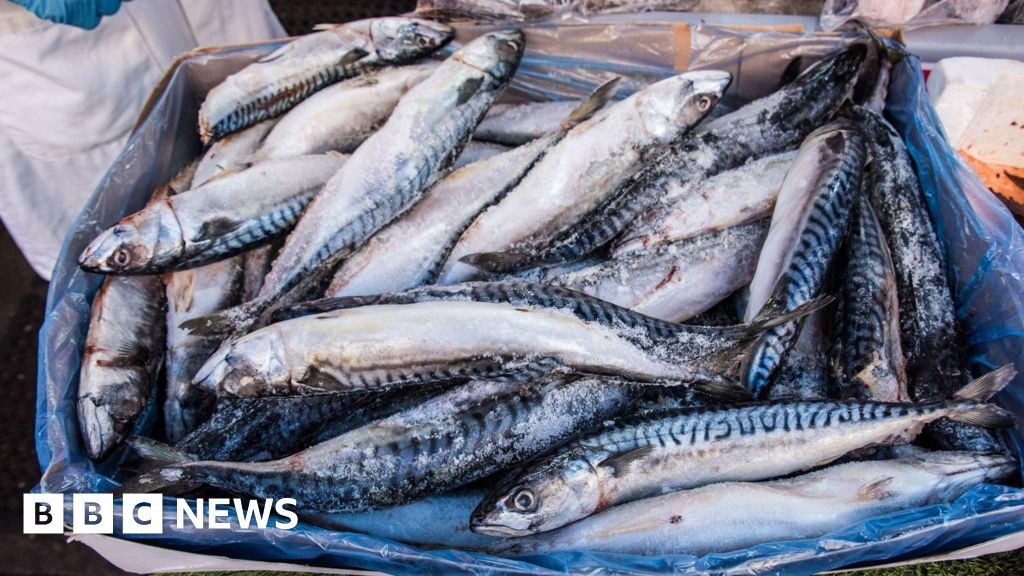
Waitrose, the UK supermarket chain, will suspend all sales of mackerel – fresh, chilled, frozen, and canned – by April 29th, citing concerns about unsustainable fishing practices. This decision marks a significant step by a major retailer to address the escalating crisis of overfishing in the North East Atlantic mackerel population.
The Problem: Overfishing and Collapsing Stocks
For years, mackerel stocks have been depleted due to a lack of coordinated international fishing quotas. The International Council for the Exploration of the Sea (ICES), a leading scientific body on marine sustainability, has repeatedly warned that current catch rates exceed the species’ ability to replenish naturally.
Why this matters: Mackerel is one of the most heavily fished species in British waters, with UK vessels landing over 230,000 tonnes in 2024 alone. If left unchecked, overfishing can lead to a collapse in the population, impacting both the ecosystem and the livelihoods of those who depend on this resource.
While a recent agreement between the UK, Norway, the Faroe Islands, and Iceland to cut mackerel catches by 48% was made in December, Waitrose argues that this reduction is insufficient. The supermarket’s internal standards require more substantial conservation measures before they will resume selling mackerel.
Waitrose’s Stance and Future Plans
Jake Pickering, Waitrose’s head of agriculture, aquaculture, and fisheries, stated that suspending mackerel sourcing “reinforces our ethical and sustainable business commitments…acting to tackle overfishing.” By May 2026, North East Atlantic mackerel will no longer meet Waitrose’s responsible sourcing requirements.
The company will replace mackerel products with alternatives sourced under more sustainable conditions. This move signals a clear commitment to protecting fish stocks, even if it means temporarily removing a popular product from shelves.
Industry Backlash and Conservation Support
Waitrose’s decision has drawn criticism from the Scottish fishing industry. Ian Gatt of the Scottish Pelagic Fishermen’s Association expressed dismay, arguing that progress in international quota negotiations is already underway.
However, conservation groups such as the Marine Conservation Society and the Blue Marine Foundation have applauded the move. Kerry Lyne, the Good Fish Guide manager at the Marine Conservation Society, emphasized that “keeping favourites like mackerel on the menu…needs support right across the supply chain with fishing kept within sustainable limits.” Charles Clover of Blue Marine Foundation called overfishing a “crisis” that has been “ignored for too long.”
The bigger picture: Waitrose’s action highlights the growing pressure on retailers to take responsibility for the sustainability of their supply chains. The long-term health of fish stocks depends on collective action, and this decision may encourage other supermarkets to follow suit.
Waitrose’s temporary ban on mackerel is a direct response to unsustainable fishing practices, and it underscores the urgent need for international cooperation to protect marine ecosystems.