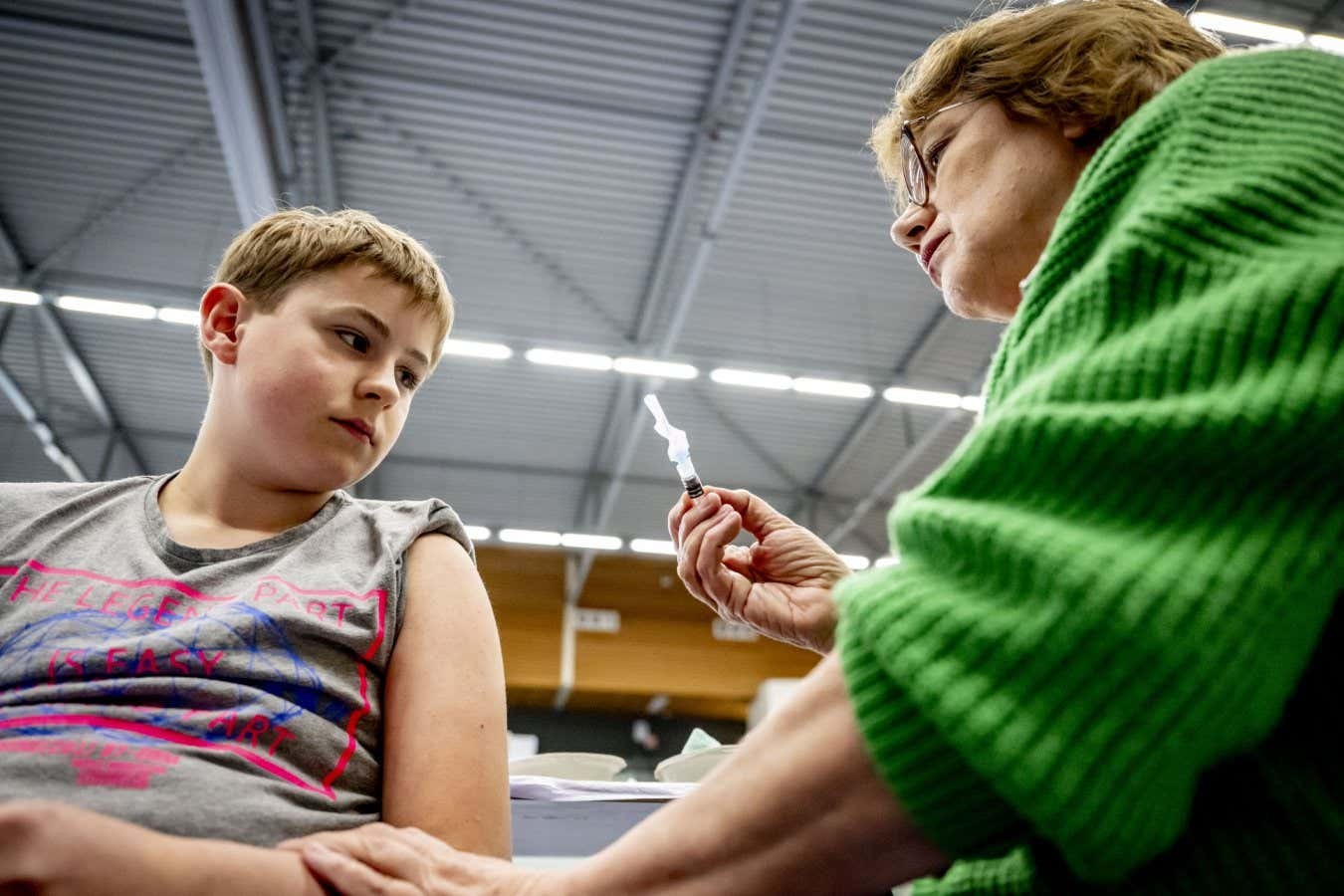
Measles cases are rising globally, threatening decades of progress in disease eradication. The resurgence isn’t just a public health crisis; it’s a direct consequence of widespread misinformation, particularly stemming from a fraudulent 1998 study linking the measles, mumps, and rubella (MMR) vaccine to autism. This flawed research, published despite serious methodological issues, fueled a decades-long anti-vaccine movement that continues to endanger public health.
The Global Impact of Vaccine Hesitancy
The World Health Organization (WHO) reports that several countries, including the UK, Spain, and Austria, have lost their measles-free status due to declining vaccination rates. The United States has experienced its worst measles outbreak in decades. This isn’t simply a matter of isolated incidents; measles is one of the most contagious viruses known, capable of causing severe complications in up to 20% of infected children, including brain damage, deafness, and even death. In 2024 alone, measles caused an estimated 95,000 fatalities worldwide.
Beyond immediate illness, measles weakens the immune system, leaving individuals vulnerable to other infections for years. This makes the virus far more dangerous than many realize.
Why Vaccination Works: A Biological Advantage
The measles vaccine is highly effective because the virus’s life cycle provides opportunities for the immune system to intervene before widespread infection. The virus travels to lymph nodes, giving the body time to mount a defense. Rigorous scientific studies have repeatedly demonstrated no link between the MMR vaccine and autism. In fact, when Japan temporarily suspended the vaccine, autism rates remained unchanged, further debunking the myth.
However, herd immunity requires at least 95% vaccination coverage to prevent outbreaks. Even a small percentage of unvaccinated individuals can allow measles to spread rapidly.
The Erosion of Progress and the Role of Disinformation
Global measles vaccination rates rose from 71% in 2000 to 84% in 2010, averting an estimated 60 million deaths. Yet, progress is now reversing, particularly in wealthy nations. In England and Wales, MMR uptake fell to 80% after the publication of the fraudulent study and has been declining again in recent years.
The problem is exacerbated by the spread of anti-vaccine propaganda on social media platforms. A search for “mmr measles” on X (formerly Twitter) yields numerous false claims, while other platforms like Bluesky show no such misinformation. This disparity highlights the role of unchecked disinformation in undermining public health.
The Wider Crisis: Science, Politics, and the Future
The measles crisis is part of a larger pattern: the deliberate erosion of scientific consensus in favor of conspiracy theories and political agendas. The alignment of social media billionaires with influential figures spreading anti-vaccine rhetoric poses a significant threat. The issue extends beyond vaccines to include climate science and other critical areas where evidence-based policy is undermined by falsehoods.
Governments must address the spread of misinformation with greater urgency. Promoting sound science and silencing deliberate disinformation is not just a public health issue, it’s essential for the future of humanity.