


Space travel is pushing boundaries – with ambitious missions targeting the Moon and Mars on the horizon. But one seemingly mundane challenge remains a giant hurdle: feeding astronauts during long journeys beyond low Earth orbit. Transporting food from Earth becomes astronomically expensive and logistically impossible for farther destinations. This has prompted the European Space Agency (ESA) to explore radical solutions, including turning astronaut urine into protein-rich food.
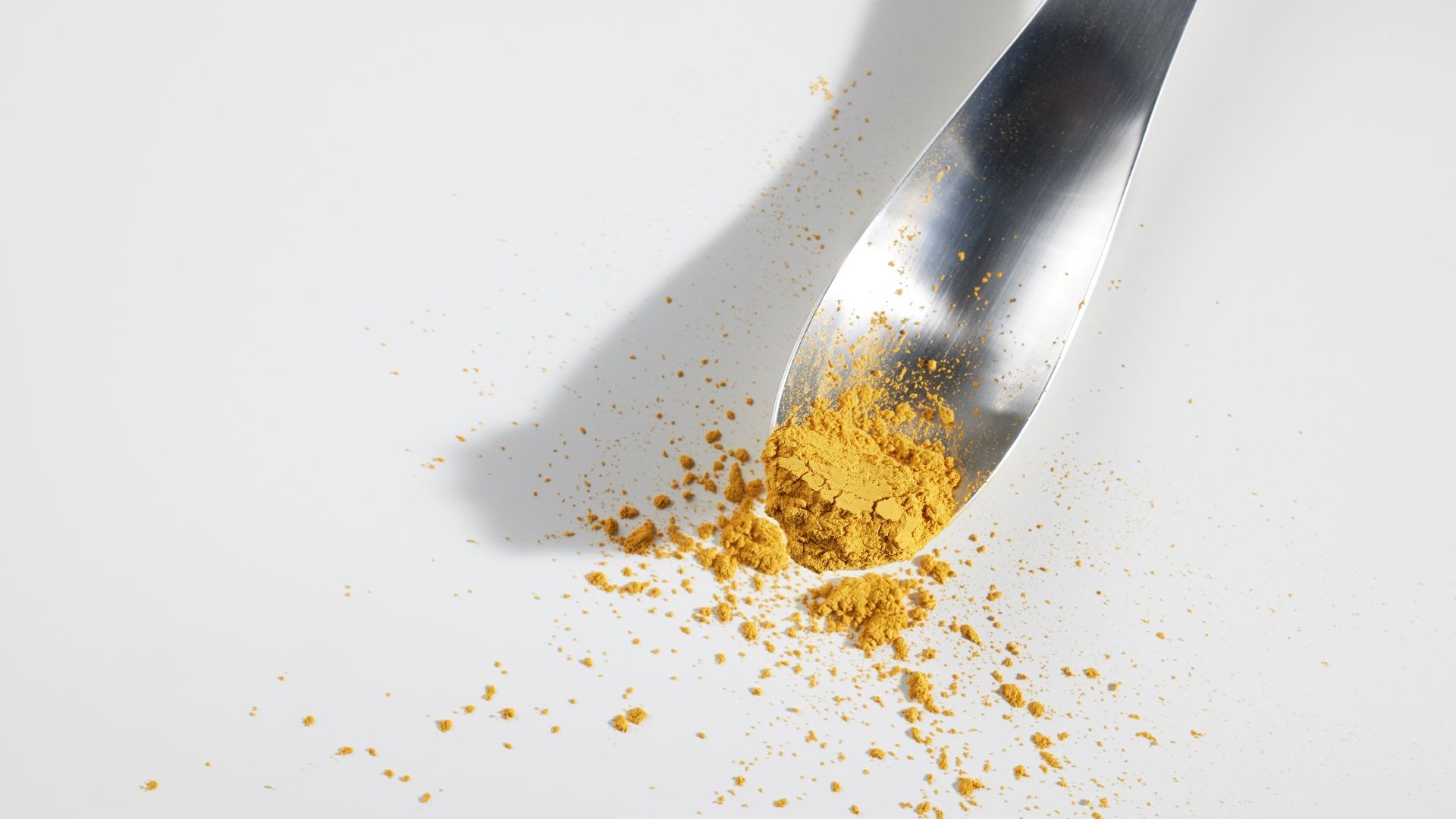
The ESA’s HOBI-WAN project, part of its broader Terrae Novae Exploration Programme, aims to test a powdered protein called Solein in space. Solein boasts an intriguing origin story: it’s manufactured on Earth using microbes, air, and electricity through a gas fermentation process. Developed by Finnish company Solar Foods, this readily available ingredient could revolutionize how astronauts eat.
The Space-Age Sustainable Diet
But producing Solein in the weightless environment of space presents unique challenges. On Earth, ammonia provides the crucial nitrogen needed for protein synthesis. In orbit, however, urine offers a viable alternative source of urea, another organic compound containing nitrogen. It’s an example of how resourcefulness and circularity become critical for long-duration space missions.
“For human beings to be able to implement long-duration missions on the moon, or even one day to go to Mars, will require innovative and sustainable solutions to be able to survive with limited supplies,” emphasizes Angelique Van Ombergen, ESA’s chief exploration scientist. The success of HOBI-WAN could significantly bolster the autonomy and self-sufficiency of future space crews.
From Lab to Orbit: A Two-Pronged Approach
For the next eight months, Solar Foods and their prime contractor OHB System AG will collaborate on Earth to refine the necessary technology for Solein production in space. This involves adapting existing terrestrial methods for a microgravity setting. If successful on Earth, Solein production will then be tested aboard the International Space Station (ISS), offering a crucial stepping stone towards proving the concept’s feasibility for deeper space missions.
“The aim of the project is to confirm that our organism grows in the space environment as it does on the ground, and to develop the fundamentals of gas fermentation technology to be used in space — something that has never been done before in the history of humankind,” explains Arttu Luukanen, senior vice president of space and defence at Solar Foods.
This bold experiment represents a crucial leap towards sustainable space exploration. The potential for generating vital sustenance from readily available resources like air and recycled waste could change the very nature of humanity’s journey beyond our planet.


