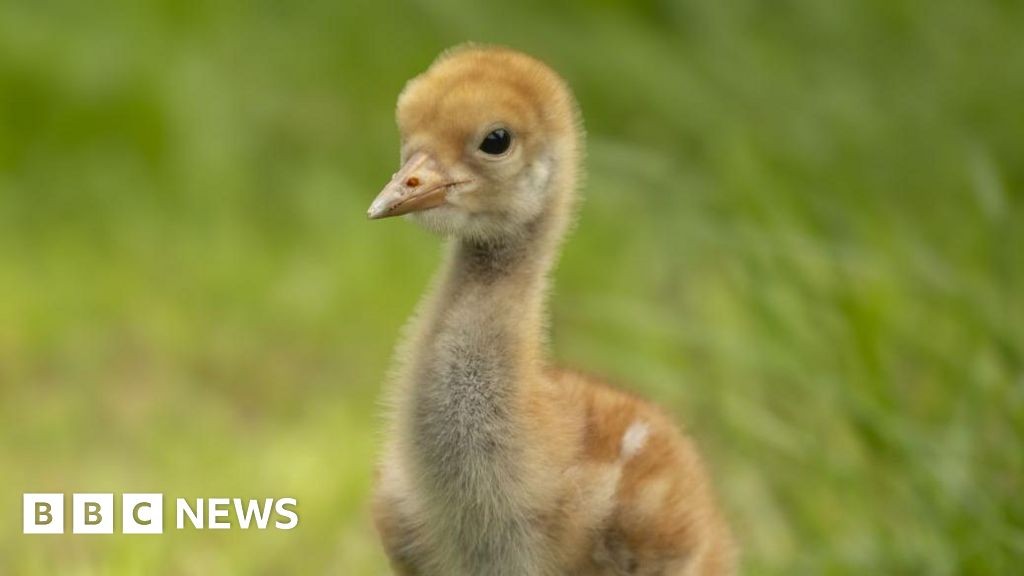
The UK is witnessing a historic resurgence of one of its most iconic avian species. After vanishing from British skies nearly 400 years ago, the common crane is making a slow but steady comeback, bolstered by successful breeding efforts at dedicated conservation sites like the RSPB’s Lakenheath Fen in Suffolk.
From Extinction to Record Breeding
The common crane was driven to extinction in the UK during the 1600s, a victim of relentless overhunting and the widespread drainage of the nation’s wetlands. However, the tide is turning. In 2024, the UK saw a record-breaking 37 chicks born across the country, contributing to a total population of approximately 250 birds.
The recovery is a delicate, long-term endeavor. Unlike many other species, cranes follow a strict biological timeline that limits how quickly their numbers can grow:
– Limited Clutch Size: A pair typically lays only two eggs per year.
– Slow Maturation: It takes roughly three to five years for young cranes to find a mate and settle down.
– Learning Curve: New parents often require several years to master the complexities of rearing chicks.
The Role of Lakenheath Fen
At the RSPB Lakenheath Fen reserve, the presence of cranes is a testament to successful habitat management. Since 2007, the site has hosted three breeding pairs and successfully raised 26 chicks.
To support these “majestic” birds—which stand over a meter tall and possess calls that can carry for over 3 miles—the reserve has implemented specific environmental interventions:
* Reedbed Protection: Providing dense cover and access to water away from human interference.
* Flight “Runways”: The creation of open spaces to allow the heavy, large-bodied birds to take off and land safely.
Despite these successes, expansion is not a simple matter of adding more birds. Site manager Dave Rogers notes that cranes are highly territorial. Increasing the number of breeding pairs from three to four depends heavily on the temperament of the existing birds and the aggression of newcomers.
Challenges on the Horizon
While 2024 was a milestone year, the long-term survival of the species remains precarious. The very thing the cranes need most—intact wetland habitats —is under constant threat from climate change. Shifts in weather patterns and water availability could disrupt the delicate ecosystems required for nesting and feeding.
For local observers and conservationists alike, the return of the crane is more than just a biological success; it is a profound shift in the landscape. As birdwatcher Kevin Middleton noted, seeing such massive, heavy birds gliding through the sky is a transformative experience that was once thought impossible for the region.
The recovery of the common crane is a slow-motion success story, proving that targeted habitat restoration can bring even extinct species back from the brink, provided we protect the wetlands they call home.
In summary, while the record number of chicks marks a turning point for the UK’s crane population, the species’ future depends on continued habitat protection and managing the slow, territorial nature of their reproduction.