Direct-to-consumer gut microbiome tests, which promise personalized health insights, may not be as accurate or consistent as advertised. A new study reveals significant discrepancies in results from seven leading testing companies when analyzing identical fecal samples. This lack of reliability raises concerns about consumers making ill-informed health decisions based on flawed data.
The Experiment and Its Findings
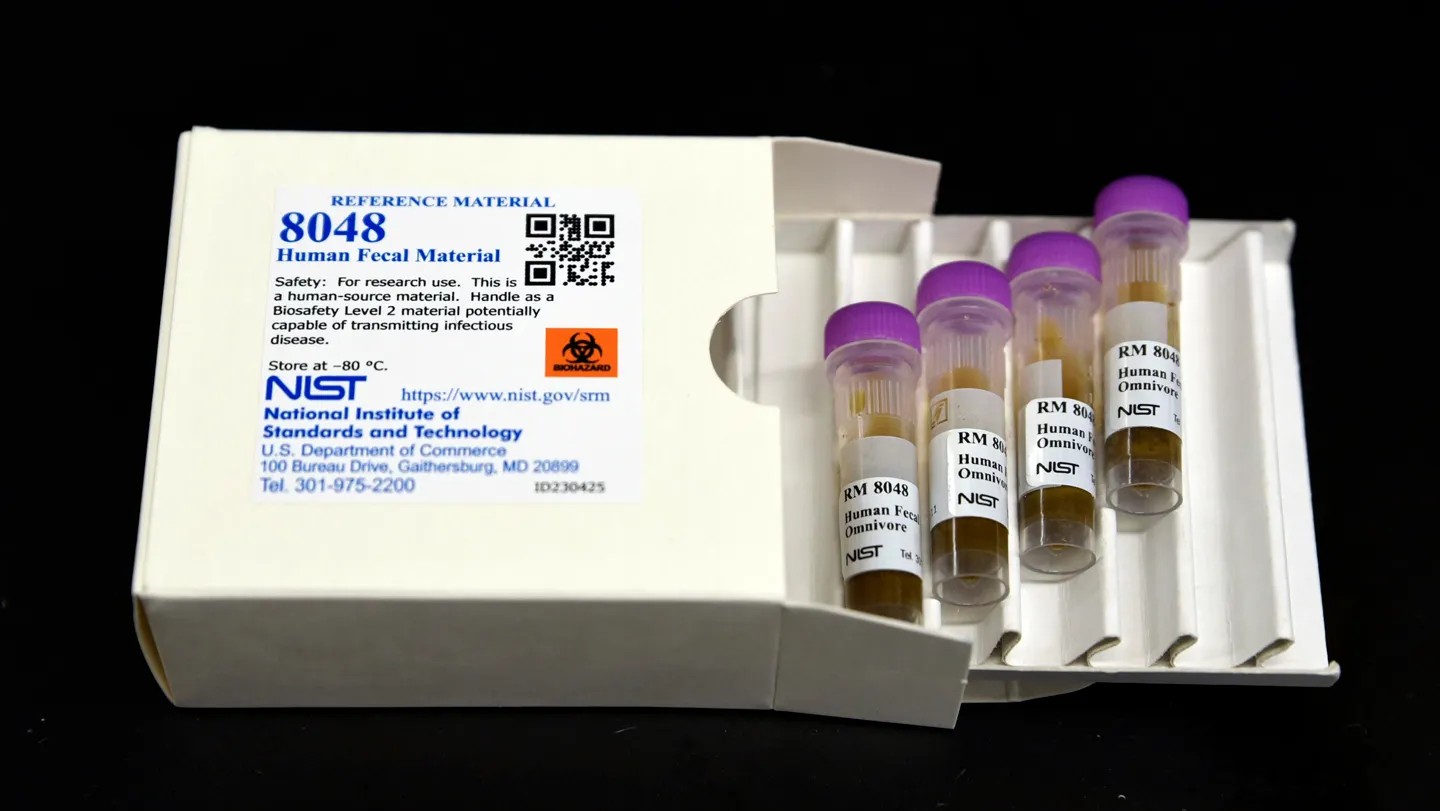
Researchers from the University of Maryland and the National Institute of Standards and Technology (NIST) tested the consistency of commercial gut microbiome tests. They created a standardized fecal sample by blending stool from multiple donors, ensuring biological uniformity. This sample was then sent to seven direct-to-consumer testing companies for analysis.
The results were alarming. While some companies showed reasonable consistency across replicates, one company produced wildly different results on a single sample, even classifying two similar analyses as “healthy” while labeling the outlier as “unhealthy.” Other companies identified similar bacterial types but reported vastly different quantities, with variability comparable to that seen between samples from different individuals.
Why This Matters
The implications of inaccurate microbiome testing are substantial. Consumers may unnecessarily purchase probiotics, follow misguided dietary changes, or even pursue invasive procedures like fecal transplants based on unreliable data. The study underscores the need for standardized testing protocols and quality control measures.
“There should be some minimum guidelines and some controls that would make results more consistent,” says NIST microbiologist Stephanie Servetas.
NIST’s Solution
To address this problem, NIST has begun selling the standardized fecal sample to companies for calibration and quality control. The goal isn’t to stifle innovation but to encourage greater consistency and reliability in testing methods. Improved standardization could help ensure that consumers receive accurate, actionable insights from gut microbiome tests.
Ultimately, the findings suggest that current gut microbiome testing practices lack the rigor needed to provide trustworthy health recommendations. Until testing methods are refined, consumers should interpret results with caution.