Tonight, October 25, 2025, offers a chance to observe a Waxing Crescent moon, providing a welcome sight after periods of reduced visibility. Here’s what you can expect and a brief explanation of lunar phases.
Tonight’s Lunar Appearance
According to NASA’s Daily Moon Observation, the moon is currently in a Waxing Crescent phase, with approximately 14% of its surface illuminated. This means a small, curved sliver of the moon will be visible in the night sky.
What Features Can You See?
The increasing visibility of the moon allows observers to discern some surface features, even without specialized equipment:
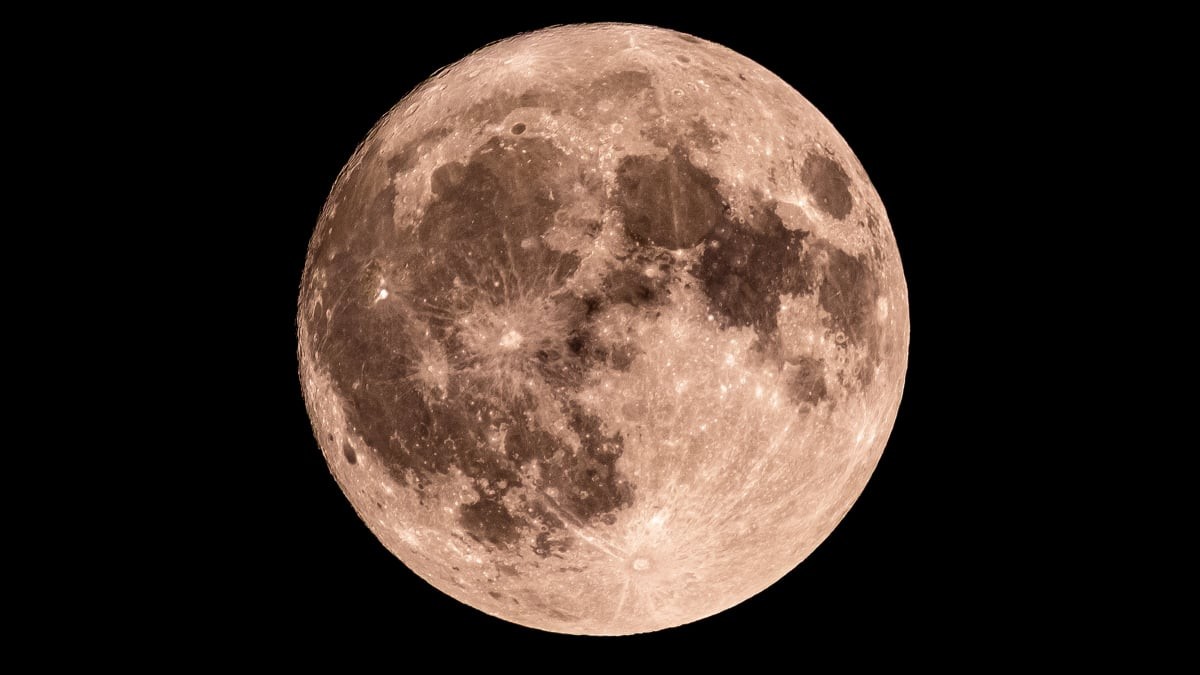
- Mare Crisium and Mare Fecunditatis: These are large, dark lunar maria (seas), easily noticeable as darker patches on the moon’s surface.
- Endymion Crater: With the aid of binoculars or a telescope, you can also catch a glimpse of the Endymion Crater, adding further detail to your observation.
Important Note: The location of visible features depends on your viewing location. In the Northern Hemisphere, these features will appear on the right side of the moon. Observers in the Southern Hemisphere will see them on the left.
Upcoming Events: The Next Full Moon
Mark your calendars! The next full moon will grace the night sky on November 5, 2025, offering a completely illuminated lunar disc.
Understanding Moon Phases
The changing appearance of the moon – its phases – is a natural consequence of its 29.5-day orbit around Earth. This cycle results from the shifting angles between the Sun, Moon, and Earth. While we consistently view the same side of the moon, the amount of sunlight reflected back to us varies as the moon progresses through its orbit.
There are eight primary phases that follow a predictable, repeating sequence:
- New Moon: During this phase, the moon is positioned between Earth and the Sun, making it completely dark and invisible from our planet.
- Waxing Crescent: The appearance of a slender, curved sliver of light on the right side (for Northern Hemisphere observers).
- First Quarter: Half of the moon’s surface is illuminated on the right side.
- Waxing Gibbous: More than half of the moon is lit, but not yet full.
- Full Moon: The entire lunar face is illuminated and fully visible.
- Waning Gibbous: The moon begins to lose light on its right side (Northern Hemisphere).
- Third Quarter (or Last Quarter): Another half-moon shape, with the left side lit.
- Waning Crescent: A thin sliver of light remains on the left side before the cycle begins anew.
Observing the moon’s phases is a simple yet fascinating way to connect with the natural rhythms of our solar system. >By understanding the lunar cycle, we can appreciate the dynamic relationship between the Earth, Moon, and Sun.