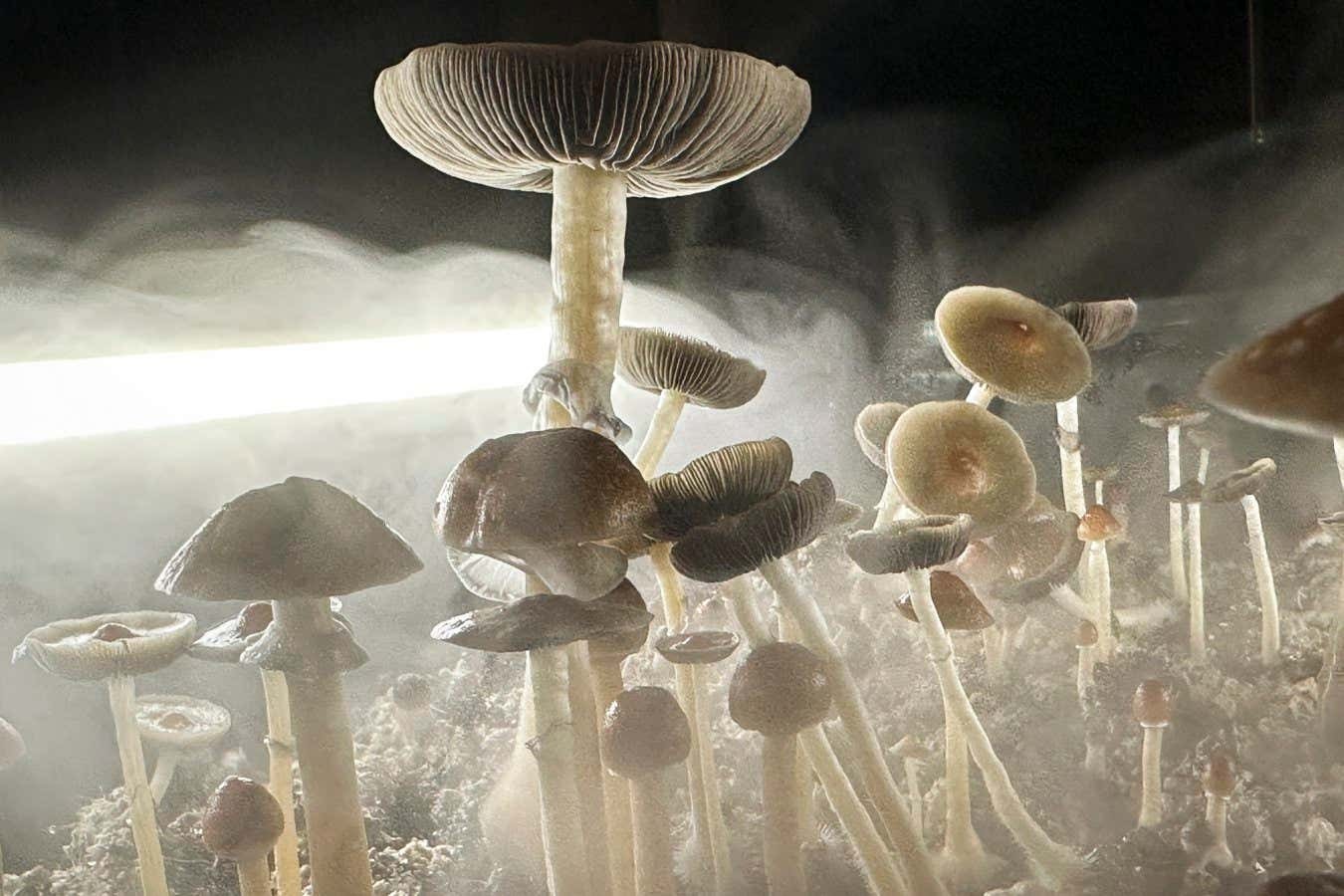
A single, carefully administered dose of psilocybin – the psychoactive compound in magic mushrooms – has demonstrated remarkably rapid and sustained reduction in obsessive-compulsive disorder (OCD) symptoms. A first-of-its-kind, placebo-controlled study reveals that the effects can persist for at least 12 weeks, suggesting a potential breakthrough in treating this debilitating condition.
The Challenge of OCD Treatment
OCD affects 1-3% of the population, characterized by intrusive, obsessive thoughts and compulsive behaviors that can severely disrupt daily life. Current treatments – including therapy and antidepressants – fail to provide adequate relief for 40-60% of patients. This leaves many sufferers with limited options, driving the search for more effective solutions.
Breakthrough Study Design
Researchers at Yale School of Medicine conducted a randomized, double-blind trial with 28 adults who had lived with severe OCD for an average of two decades and had exhausted conventional therapies. Participants received either a single oral dose of psilocybin (0.25mg/kg) or niacin (vitamin B3) as a placebo. The psilocybin dose induced a noticeable psychedelic experience, involving altered perception and emotional states.
Dramatic Results: Symptom Reduction
Within 48 hours, the psilocybin group saw an average symptom score reduction of 9.76 points on a standardized scale (0-40). The placebo group showed no significant change. Crucially, 70% of the psilocybin group maintained a symptom reduction of 35% or more at the 12-week follow-up.
“The speed and durability of the improvement seen after a single dose of psilocybin are remarkable,” says Alex Kwan of Cornell University.
How Does Psilocybin Work?
The exact mechanism remains under investigation, but researchers hypothesize several possibilities:
- Enhanced Brain Plasticity: Psilocybin may loosen rigid thought patterns, allowing individuals to break free from obsessive cycles.
- Network Recalibration: The drug could alter the interaction between the brain’s default mode network (involved in rumination) and other regions, reducing compulsive thinking.
- Inflammation Dampening: Psilocybin might reduce brain inflammation, contributing to mental health improvements.
Safety Concerns and Future Research
While promising, psilocybin is not without risks. One participant in the study experienced increased suicidal ideation shortly after dosing, highlighting the need for strict clinical monitoring. Larger trials are crucial to confirm efficacy, determine optimal dosage, and identify individuals who may benefit most or be at higher risk.
A key limitation of psychedelic research is participant awareness of treatment assignment. Despite using niacin as a placebo to mimic some psychedelic effects, many participants suspected whether they received the active drug. This bias must be addressed in future studies.
Psilocybin’s potential to fundamentally reshape psychiatric treatment is clear. If further research confirms these initial findings, it could transform how we approach mental health disorders, offering a new path toward lasting relief for millions.