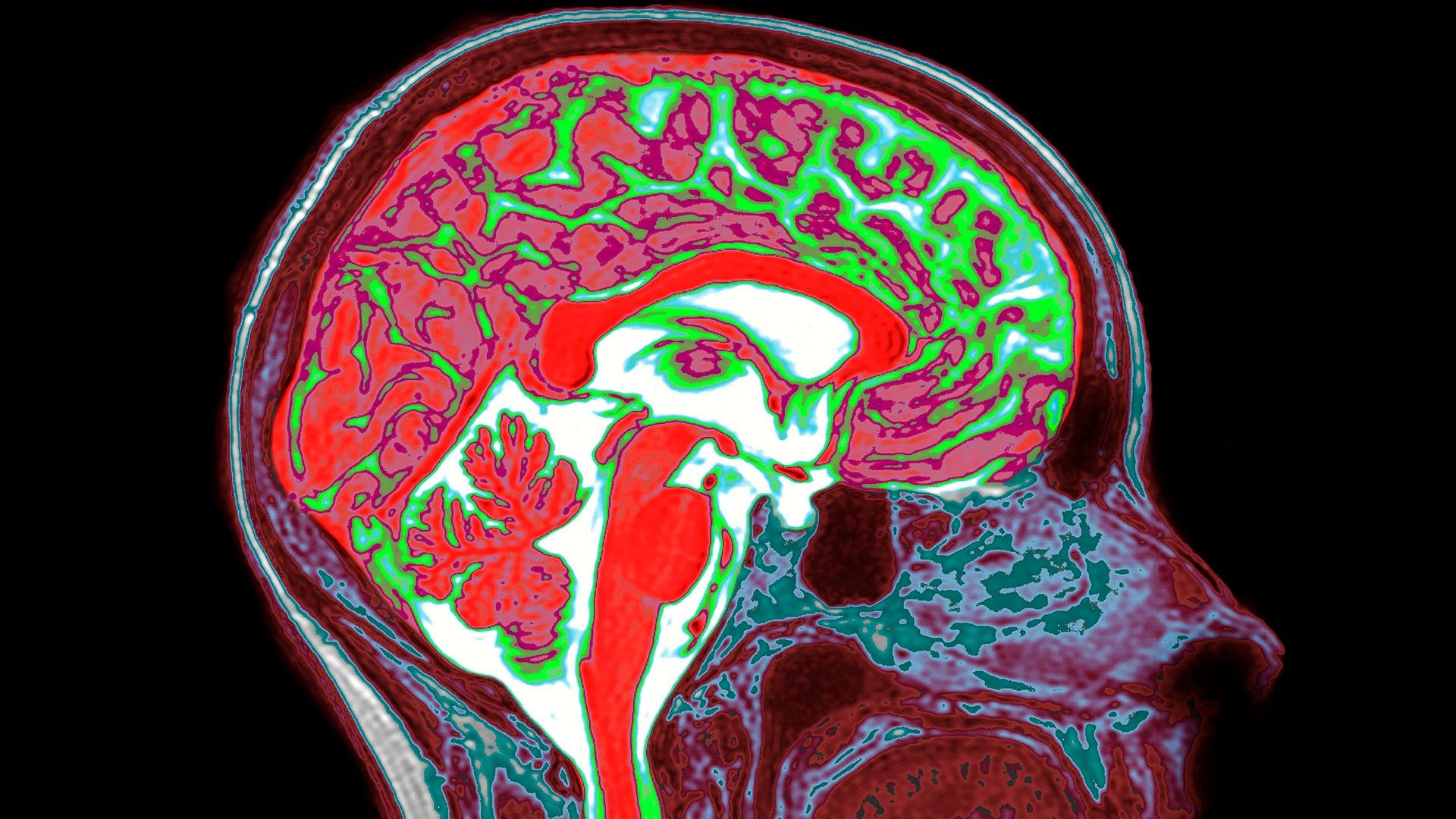
Estrogen is often misunderstood as solely a “female” hormone that boosts memory, but new research reveals a more complex reality: high levels of estrogen in the brain can actually make individuals more vulnerable to memory loss and post-traumatic stress disorder (PTSD) following trauma.
A study published in Neuron demonstrates that this vulnerability exists in both male and female brains. The findings challenge the traditional view that estrogen is universally protective for cognitive health, suggesting instead that its effects depend heavily on timing, dosage, and biological sex.
The Estrogen Paradox in the Hippocampus
The research focused on the hippocampus, a critical region of the brain responsible for learning and memory. While estrogen is produced throughout the body, the hippocampus generates significant amounts of it locally in both sexes.
Contrary to popular belief, male mice often had higher or steadier levels of hippocampal estrogen than females, whose levels fluctuated with their hormonal cycles. The study found that:
- High estrogen exposure (seen in males and females during the proestrus phase of their cycle) led to persistent memory deficits after traumatic stress.
- Low estrogen exposure (seen in females during the estrus phase) provided a protective effect, allowing mice to retain normal memory and resilience after stress.
“The female mice that had low levels of estrogen laughed it off — they were completely protected,” said Dr. Tallie Z. Baram, senior author of the study and a professor at the University of California, Irvine.
How Trauma Rewires the Brain
To understand the mechanism, researchers exposed mice to acute stressors, including loud noises, bright lights, and stressful odors. They then tested memory retention over several weeks.
The results were stark:
1. Males and Proestrus Females: Both groups showed significant memory impairment that lasted for weeks. They learned to fear specific cues associated with the trauma, indicating a shift toward PTSD-like behaviors.
2. Estrus Females: These mice showed no significant memory deficit. Their behavior remained comparable to unstressed controls.
The key difference lay in chromatin remodeling —the way DNA is packaged within cells. High estrogen levels caused the chromatin in the hippocampus to “open up,” making certain genes more active. While this plasticity is useful for learning new skills, it becomes problematic during trauma. The “open” state allows the brain to encode traumatic memories too deeply, leading to long-term sensitivity and memory issues.
Why This Matters for Human Health
Although conducted on mice, the authors argue these findings are highly translatable to humans. This research offers a biological explanation for why women are roughly twice as likely to develop PTSD as men (10–12% vs. 5–6% lifetime prevalence).
The implications extend beyond immediate trauma response:
- Menstrual Cycle Timing: Women may be more vulnerable to trauma-related memory issues during phases of high estrogen, such as proestrus.
- Perimenopause Risk: The study suggests that the massive estrogen spikes during perimenopause, combined with life stress, could increase the risk of long-term memory problems or dementia later in life. This challenges the assumption that only post-menopausal estrogen decline is harmful; the fluctuations and peaks may also play a critical role.
A Call for Sex-Specific Neuroscience
Historically, female subjects were excluded from neuroscience research because their hormonal cycles were viewed as “too complex.” This study underscores the necessity of including both sexes in research to understand how biological variables shape mental health outcomes.
“These results present cogent evidence that sex is a powerful biological variable,” said Victoria Luine, a professor emerita of psychology at Hunter College.
The findings suggest that future treatments for PTSD and memory disorders may need to be tailored by sex and hormonal status. Rather than a one-size-fits-all approach, therapies might need to account for an individual’s estrogen levels and receptor types to effectively mitigate the long-term effects of trauma.
Conclusion
This study fundamentally shifts our understanding of estrogen’s role in trauma. It is not simply a memory booster or a gender-specific factor, but a dynamic regulator of neural plasticity that can either protect against or exacerbate the effects of stress. By recognizing the biological nuances between sexes, researchers can develop more precise strategies to prevent PTSD and protect cognitive health across the lifespan.