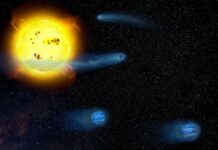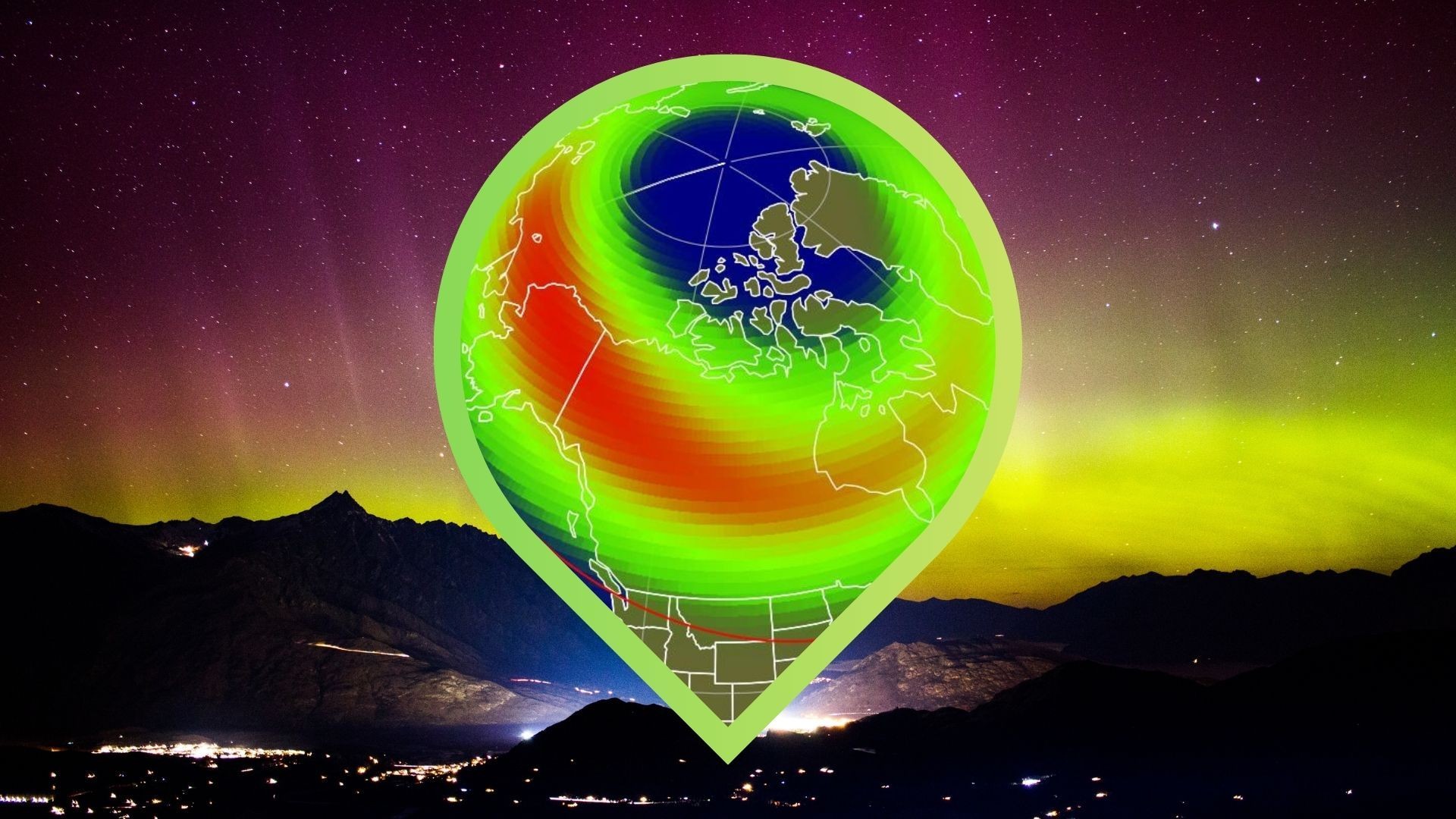
A significant coronal mass ejection (CME) impacted Earth yesterday, triggering widespread aurora displays, and lingering effects mean the northern lights may be visible in as many as 10 U.S. states tonight, January 20th. While activity is expected to ease, Earth’s magnetic field remains highly disturbed – creating a chance for unexpected displays even further south than predicted.
Why This Matters
This event is a rare opportunity for many to witness the aurora borealis without traveling to high-latitude regions. Strong solar storms like this one can disrupt satellite communications, power grids, and GPS systems. Though current forecasts suggest only minor disruptions, understanding space weather is increasingly important as our reliance on these technologies grows.
Current Forecasts and Visibility
NOAA’s Space Weather Prediction Center forecasts active to minor (G1) geomagnetic storm conditions tonight. This means the aurora may be visible in northern U.S. states, including:
- Alaska
- North Dakota
- Minnesota
- Montana
- South Dakota
- Wisconsin
- Idaho
- Washington
- Michigan
- Maine
However, the U.K. Met Office suggests conditions could remain stronger (G3 to G4) through tonight, potentially expanding visibility across a larger portion of the U.S. The key factor is the continued reverberation of Earth’s magnetic field, which may cause unexpected surges in activity.
Best Viewing Times
Geomagnetic activity is already elevated, so start looking as soon as it gets dark. NOAA’s 3-day forecast suggests peak viewing times between:
- 1 p.m. – 4 p.m. EST (Moderate G2 storm possible)
- 4 p.m. – 7 p.m. EST (Minor G1 storm possible)
- 10 p.m. – 1 a.m. EST (Jan. 21) (Minor G1 storm possible)
Tips for Optimal Viewing
To maximize your chances of seeing the northern lights:
- Find a dark location: Get away from city lights with a clear view of the northern horizon.
- Use your phone’s camera: It can detect faint glows invisible to the naked eye.
- Dark adapt: Allow at least 30 minutes for your eyes to adjust to the darkness. Avoid bright screens.
- Dress warmly: Aurora shows can last for hours, so be prepared for cold temperatures.
Consider using space weather apps like “My Aurora Forecast & Alerts” or “Space Weather Live” to stay updated on real-time conditions.
The solar storm has passed its peak, but the lingering energy in Earth’s magnetic field means there’s still a chance for one last burst of spectacular aurora displays. Clear skies and patience are key.