


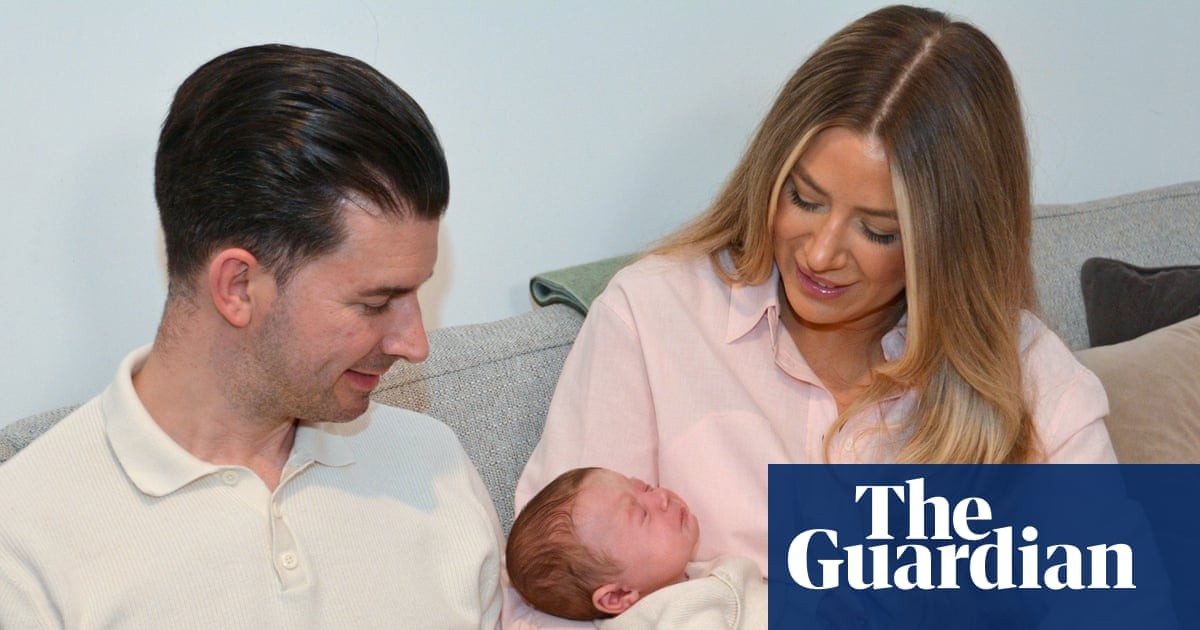
A baby boy, Hugo Powell, has become the first child born in the United Kingdom following a uterine transplant from a deceased donor. This landmark achievement at Queen Charlotte’s and Chelsea hospital in London represents a significant step forward in reproductive medicine, offering hope to women with uterine factor infertility.
Rare Condition and Historic Transplant
Hugo’s mother, Grace Bell, was diagnosed with Mayer-Rokitansky-Küster-Hauser (MRKH) syndrome—a rare congenital condition resulting in the absence or underdevelopment of the uterus. This diagnosis meant she would likely be unable to carry a child. The successful transplant, performed in 2024, utilized a uterus from a deceased donor, making it the first such birth in the UK and one of only a handful worldwide.
Bell described the birth as a “miracle,” emphasizing the profound emotional impact of fulfilling her dream of motherhood. The procedure involved standard immunosuppressant therapy to prevent organ rejection, a common requirement for all transplant recipients.
Donor’s Legacy and Ethical Considerations
The donor’s organ also saved the lives of four others through the transplantation of additional organs. The donor’s family expressed both grief and pride, noting that their daughter’s generosity continued to impact lives even after her death.
“Losing our daughter has shattered our world… Through organ donation, she has given other families the precious gift of time, hope, healing and now life.”
The case raises important ethical considerations regarding deceased organ donation. Unlike other organs, the uterus is not automatically included in standard organ donation consent forms. Families must be specifically asked about their willingness to approve a uterine transplant, highlighting the complex decision-making process involved.
Future Implications and Medical Advances
Prof. Richard Smith, clinical lead at Womb Transplant UK, hailed the birth as “amazing.” The team anticipates that Bell will eventually have the transplanted uterus removed to avoid lifelong immunosuppression.
The broader trend shows that while most womb transplants (over two-thirds) involve living donors, deceased donation is gaining traction, with roughly 25 to 30 babies born worldwide via this method. The development of uterine transplantation as a viable option offers a permanent solution to uterine factor infertility, impacting both medical practice and family planning.
This breakthrough demonstrates the transformative potential of organ donation and reproductive medicine. It’s a powerful reminder that medical innovation continues to redefine the boundaries of what is possible for individuals facing previously insurmountable reproductive challenges.


