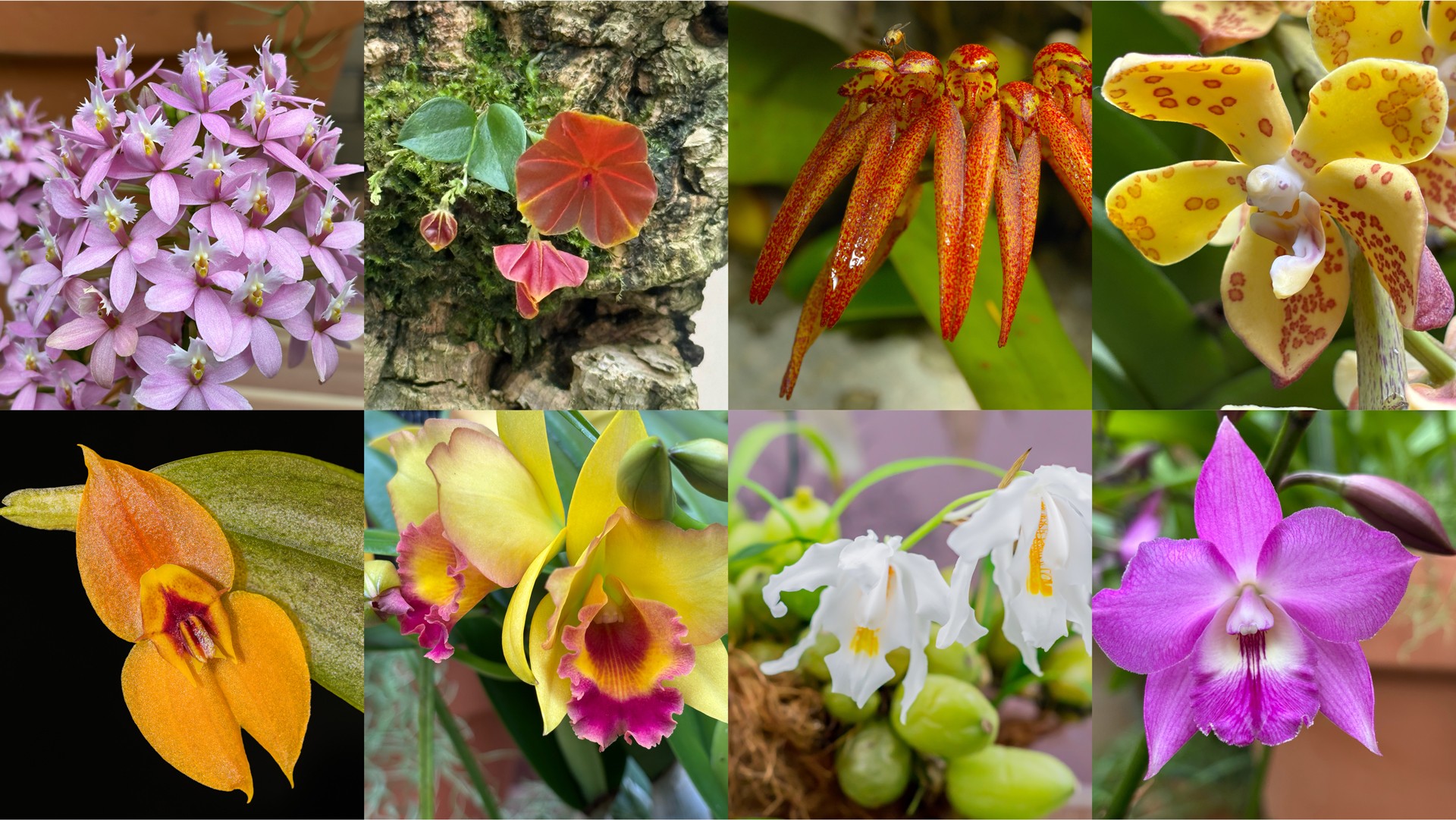
Orchids, one of Earth’s most diverse plant families – often rivaling daisies in species count – have evolved remarkable reproductive strategies. These aren’t about simple pollination; many orchids use elaborate deceptions to ensure their survival. Experts at the U.S. Botanic Garden call them “masters of deception,” and for good reason.
The Art of Floral Trickery
Orchids thrive because they’ve adapted to exploit pollinators’ instincts. The methods range from mimicking mating opportunities to simulating rotten food, all to guarantee pollen transfer. The stakes are high: many orchid species are endangered due to habitat loss and climate change, making these deceptive strategies even more vital for survival.
Six Ways Orchids Manipulate Pollinators
Here are six examples of how orchids trick insects into spreading their pollen:
1. Sexual Deception (Lepanthes)
Some Lepanthes species mimic female insects, attracting male fungus gnats that attempt to mate with the flower. The insect unknowingly picks up or deposits pollen during this “pseudocopulation.” This strategy ensures pollination without offering any reward.
2. False Trap Deception (Phragmipedium Pearcei)
Phragmipedium Pearcei lures insects into pouch-like structures that resemble traps. Insects fall in, unable to escape easily, and must crawl out the back, depositing and collecting pollen in the process. The flowers even feature spots that mimic aphids to attract predatory flies.
3. Rotten-Meat Scent Deception (Bulbophyllum Picturatum)
Bulbophyllum orchids emit potent odors of decay – rotting meat, excrement, or fish – to attract flies. The flower’s hinged lip then traps the fly, forcing pollen transfer. The stronger the smell, the more effective the deception, especially on warm days.
4. Food Deception (Coelogyne Cristata)
Coelogyne orchids entice bees and wasps with the promise of nectar, but often deliver no reward. The insects visit regardless, incidentally pollinating the flower during their fruitless search. This is pure trickery at its finest.
5. Color and Scent Deception (Spathoglottis Kimballiana)
Bright yellow colors and sweet fragrances attract pollinators to Spathoglottis. The insects arrive expecting nectar but find none, yet still pollinate the flower during their visit. The vivid color is a key component of this lure.
6. Nocturnal Scent Deception (Angraecum Comorense)
Angraecum orchids produce sweet night fragrances that attract moths. These moths use their long proboscises to reach nectar spurs, unknowingly transferring pollen. Charles Darwin famously predicted the existence of a moth with a tongue long enough to pollinate the Angraecum sesquipedale orchid, and his theory was later validated decades after his death.
The Bigger Picture
Orchids’ survival isn’t just about clever tricks; it’s about adaptation in the face of growing threats. Habitat loss and climate change are pushing many species toward extinction, making these deceptive strategies a matter of life or death. Human activity, from over-collection to development, is accelerating this crisis.
These intricate pollination methods highlight the delicate balance in nature and the urgent need for conservation. Orchids demonstrate that survival often depends on outsmarting the environment—and sometimes, outsmarting other species.