Scientists have confirmed the existence of a previously unknown species of green anaconda, adding to the scant knowledge of these iconic apex predators. The discovery, revealed through genetic analysis of samples collected in the Ecuadorian Amazon, splits the once-unified green anaconda into two distinct species: the southern green anaconda (Eunectes murinus ) and the northern green anaconda (Eunectes akayima ).
The Discovery and Footage
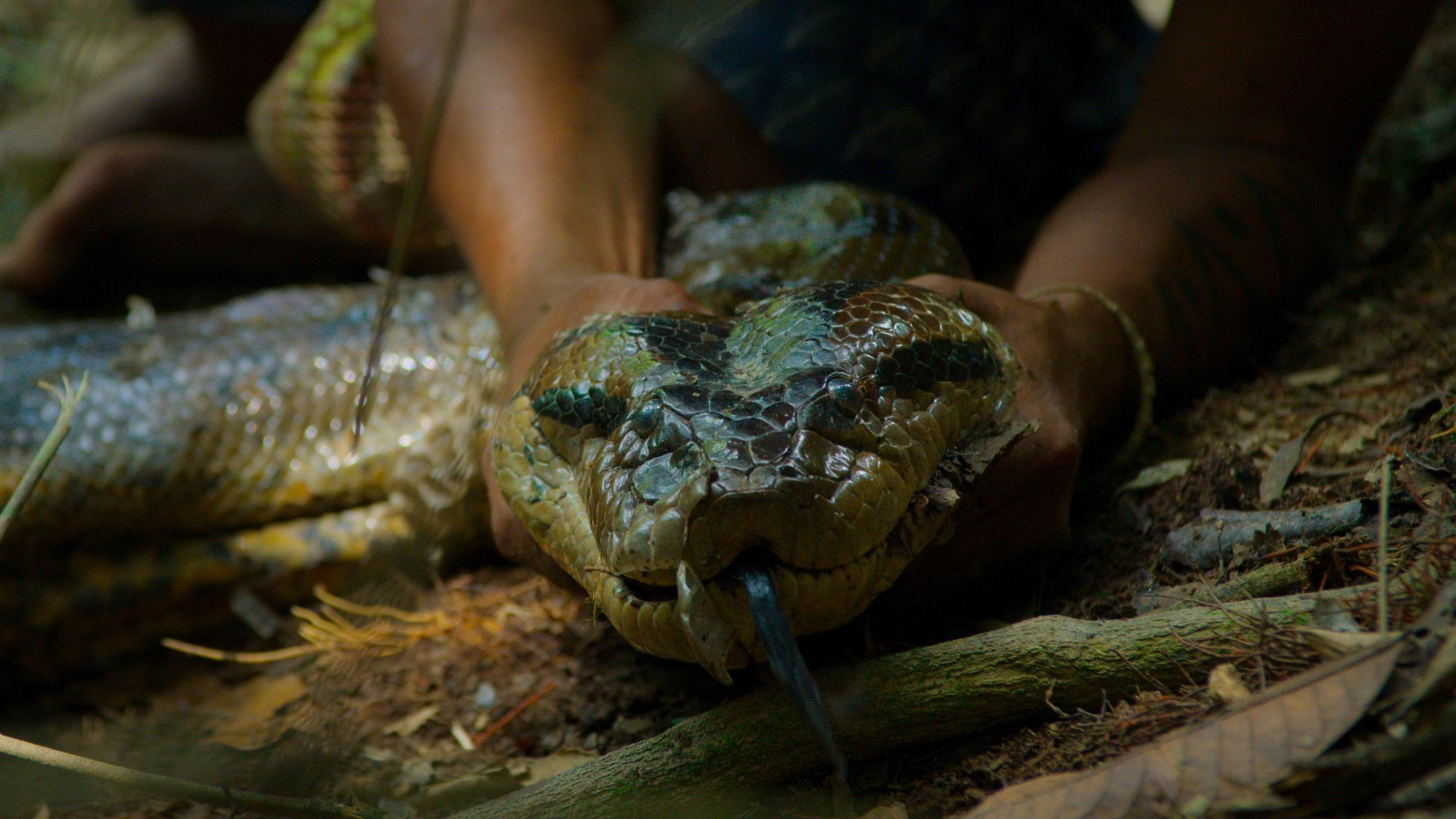
Filmmakers captured unprecedented footage of the northern green anaconda in the wild, featuring venom expert Bryan Fry and actor Will Smith alongside Waorani Indigenous guides. Researchers sampled anacondas in 2022 as part of a genetics study. The footage shows a female snake estimated to be 16–17 feet long, which was temporarily immobilized to allow for scale collection. The encounter highlights the sheer size and power of these animals, which can weigh over 550 pounds and constrict prey to death.
Genetic Divergence and Evolution
Genetic analysis revealed that E. murinus and E. akayima diverged approximately 10 million years ago, accumulating substantial genetic differences – 5.5% of their total DNA. This mismatch exceeds the genetic gap between humans and apes, underscoring the long-term separation of these two anaconda populations. The northern species inhabits the Amazon’s northern basin, while the southern species occupies the southern basin.
Ecosystem Implications: Unequal Exposure to Toxins
The newly discovered species reveals an unusual ecological difference: males and females hunt different prey, leading to vastly different toxin exposure levels. Males consume more predatory fish and caimans, resulting in a concentration of heavy metals (cadmium and lead) over 1000% higher than in females. This disparity reflects the impact of environmental pollution – particularly oil spills – on the food chain. Since male anacondas have a diet similar to local human populations, the snakes serve as a bioindicator of pollution levels.
Conservation and Community Health
The findings have prompted a collaborative effort to develop a wild food guide for the Waorani community, advising pregnant women and children to avoid consuming top-level predators with high toxin loads. This discovery underscores the interconnectedness of ecosystem health and human wellbeing, demonstrating that protecting these animals is critical for safeguarding both wildlife and local populations.
The existence of E. akayima expands our understanding of anaconda diversity, but the species remains poorly known. Scientists suspect there may be other undiscovered anaconda variants lurking in the Amazon, further highlighting the need for continued research.