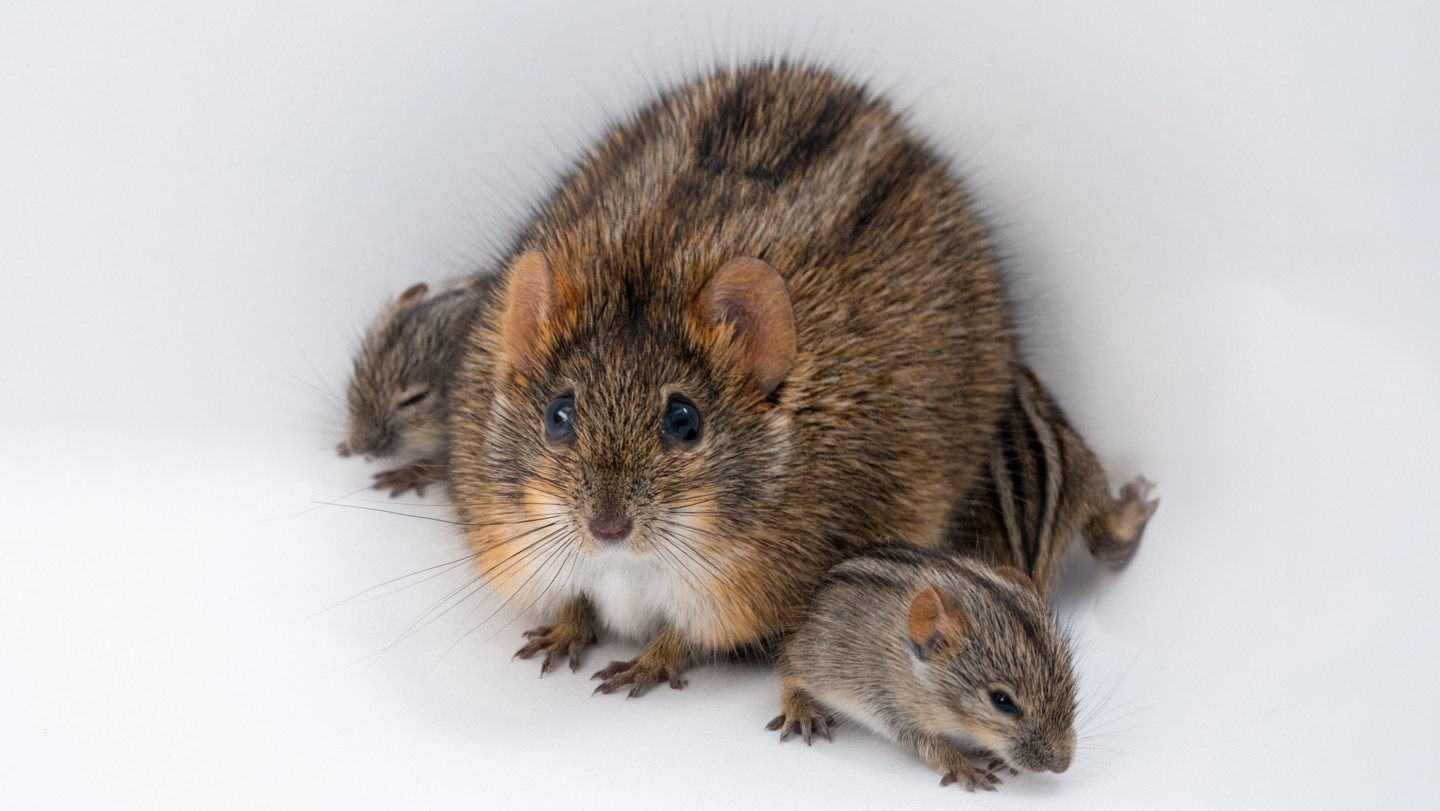
Researchers have discovered that a single gene, Agouti, can dramatically alter paternal behavior in African striped mice — turning nurturing fathers into indifferent or even aggressive ones. The study, published February 18 in Nature, reveals how social context directly influences gene expression in the brain, shaping whether a male mouse will care for its young or, in extreme cases, kill them.
The Puzzle of Male Caregiving
Male parental care is surprisingly common in the animal kingdom, especially among fish and amphibians. However, it’s rare in mammals, with fewer than 5% of species exhibiting consistent paternal care. African striped mice (Rhabdomys pumilio ) are an exception, yet even within the species, individual males display wildly different levels of nurturing. Some groom and protect their pups, while others ignore or attack them. This variability makes them an ideal model for studying the biological drivers of fatherhood.
From Solitude to Aggression: The Role of Social Context
The study found a striking correlation between social environment and paternal behavior. Male mice housed in groups often showed aggression towards pups when first introduced, but when isolated, they unexpectedly became highly paternal. This result contradicted previous assumptions that social isolation would induce anxiety and neglect, but instead, it fostered nurturing behavior.
The Agouti Gene: A Molecular Lever for Fatherhood
Brain imaging revealed that caring fathers had greater activity in the medial preoptic area (MPOA), a brain region already known to regulate maternal care. However, a deeper molecular analysis revealed a key difference: aggressive males had higher levels of Agouti gene activity in the MPOA.
Artificially boosting Agouti activity turned nurturing males ambivalent and, in some cases, infanticidal. Conversely, moving males from group housing to solitude lowered Agouti levels and increased their parental engagement. This suggests that Agouti acts as a molecular switch, integrating social cues to balance competing behaviors like parenting, feeding, and territorial defense.
The Unexpected Link to Stripes
The discovery was particularly surprising because Agouti is previously known to control the development of the mouse’s distinctive stripes. Its role in the brain was completely unexpected. The research suggests that this gene evolved to help the mice respond to environmental cues by regulating energetically demanding behaviors like parental care.
Implications and Future Research
This research adds to a growing body of evidence showing that social environment can alter gene expression in the brain, influencing parental behavior. While the findings are specific to African striped mice, they raise questions about the biological roots of human fatherhood.
“These are very early days for understanding the nurturing potentials of men,” says anthropologist Sarah Hrdy. Whether similar mechanisms operate in humans remains unknown, but the study underscores the complex interplay between genes, environment, and behavior in shaping parental care across species.