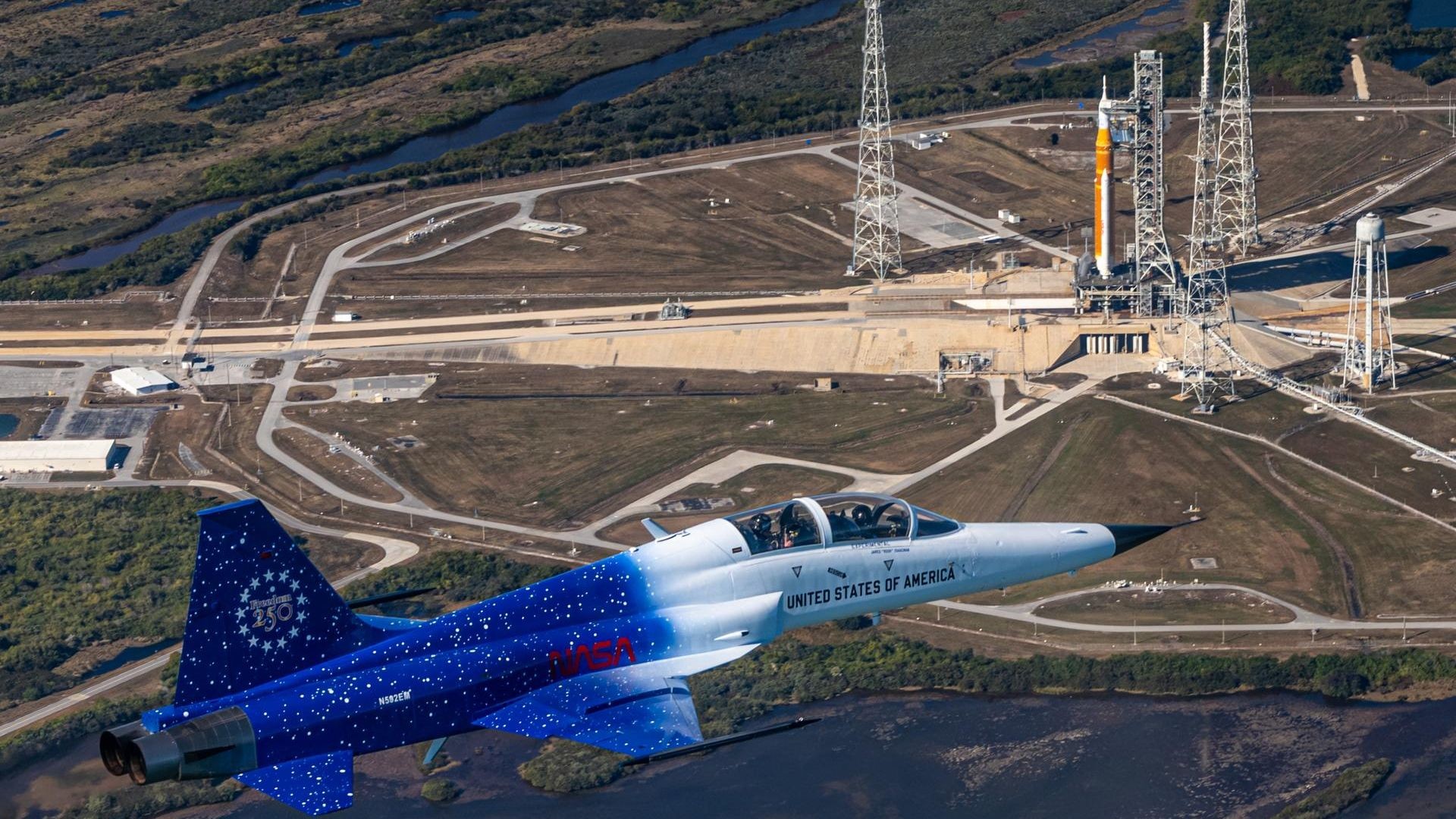
NASA is accelerating preparations for the Artemis 2 mission, the first crewed flight around the Moon in over half a century. To gain a unique perspective on the program’s progress, recently appointed NASA Administrator Jared Isaacman flew Secretary of Defense Pete Hegseth over the Artemis 2 rocket at Kennedy Space Center in Florida. This inspection underscores the mission’s critical importance and the intense scrutiny it faces.
The Artemis Program: A Stepping Stone to Mars
The Artemis program aims to establish a sustained human presence on the Moon, serving as a proving ground for technologies and operational strategies essential for future missions to Mars. Unlike the Apollo missions, Artemis focuses on long-term lunar exploration and resource utilization, potentially including establishing a permanent base.
The Artemis 1 mission in late 2022 successfully tested the Space Launch System (SLS) rocket and Orion spacecraft in deep space, verifying their basic performance. Artemis 2 builds on this success by carrying a crew of four astronauts on a 10-day orbital flight around the Moon, validating life-support and deep-space operations with humans onboard.
Wet Dress Rehearsal Reveals Challenges
The SLS-Orion stack underwent a crucial “wet dress rehearsal” – a full countdown simulation with cryogenic propellants loaded. This test is vital for synchronizing the complex interactions between the rocket, spacecraft, and ground systems. However, the rehearsal uncovered a liquid hydrogen leak during SLS fueling, forcing NASA to delay the Artemis 2 launch to March at the earliest.
This delay highlights the inherent risks and technical hurdles in deep-space exploration. Maintaining cryogenic fuels at extremely low temperatures is a significant engineering challenge, and even minor leaks can jeopardize mission success.
Why This Matters
The Artemis program is not just about returning to the Moon; it’s about building a sustainable space infrastructure and pushing the boundaries of human exploration. The mission’s success will determine whether NASA can maintain its leadership in space, inspire future generations, and ultimately pave the way for crewed missions to Mars. The current delay underscores the importance of rigorous testing and the need for continued investment in advanced technologies.
The Artemis program represents a critical step in humanity’s journey beyond Earth, but success hinges on overcoming technical challenges and maintaining unwavering commitment to long-term goals.