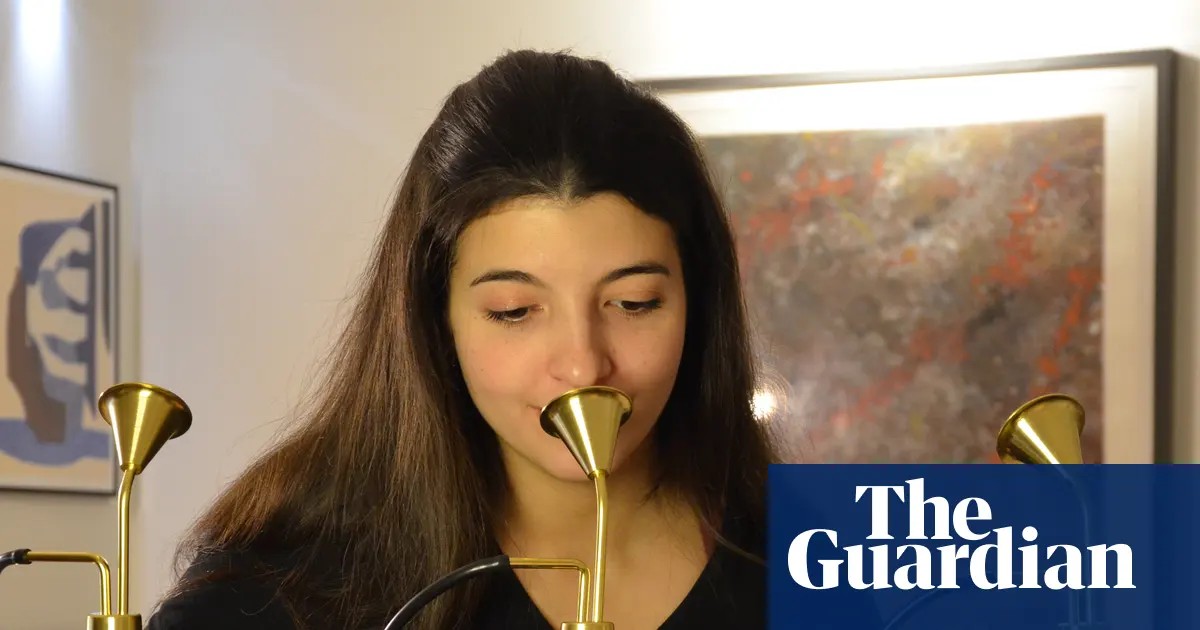
Museums are increasingly using scent to bring history to life, with exhibits ranging from the aromas of ancient Egyptian mummification to the interior of Queen Elizabeth II’s car. This shift is driven by a growing field called “archaeology of the senses,” which seeks to reconstruct not just what the past looked like, but also how it felt, sounded, and smelled.
The Rise of Olfactory Archaeology
For years, museums have experimented with smells for immersive experiences, such as the Viking-era scentscape at the Jorvik Viking Centre. However, the modern approach is evolving beyond theatrics: it now relies on chemical analysis, archival research, and interdisciplinary collaboration to create scents grounded in historical accuracy.
Dr. Barbara Huber of the Max Planck Institute has pioneered this method with the “Scent of the Afterlife” project, recreating the fragrance of ancient Egyptian mummification balms using compounds identified in residue from 3,450-year-old canopic jars. The result? A complex aroma of beeswax, pine resin, and coumarin—described as warming but not entirely pleasant—that allows visitors to tangibly experience this ancient practice.
From Dinosaurs to Royalty: The Range of Reconstructed Scents
The scope of these reconstructions is expanding. Scent specialists have even recreated the breath of a Tyrannosaurus rex based on fossil evidence and paleontological input. More recently, researchers have analyzed the air inside Queen Elizabeth II’s Rover P5B, developing a scent profile through historical research, chemical analysis, and interviews with classic car collectors.
Another project revived a 16th-century pomander recipe—a fragrant accessory used to ward off illness—combining ambergris, musk, civet, rose, clove, nutmeg, cinnamon, and sandalwood. The aim is not just novelty; researchers emphasize that scent can make history more tangible and reveal overlooked aspects of cultural heritage.
The Future of Olfactory Preservation
Some envision a dedicated “museum of smells” and initiatives like the UK “smell inventory” – a project asking the public to nominate odors worth preserving for future generations. By engaging the sense of smell, museums are challenging vision-centric interpretations of the past and uncovering hidden layers of heritage.
As Dr. Cecilia Bembibre of University College London explains, “Our interpretation of heritage is largely vision-centric, but when people use their noses as tools for understanding, they often challenge how we think about the past.”