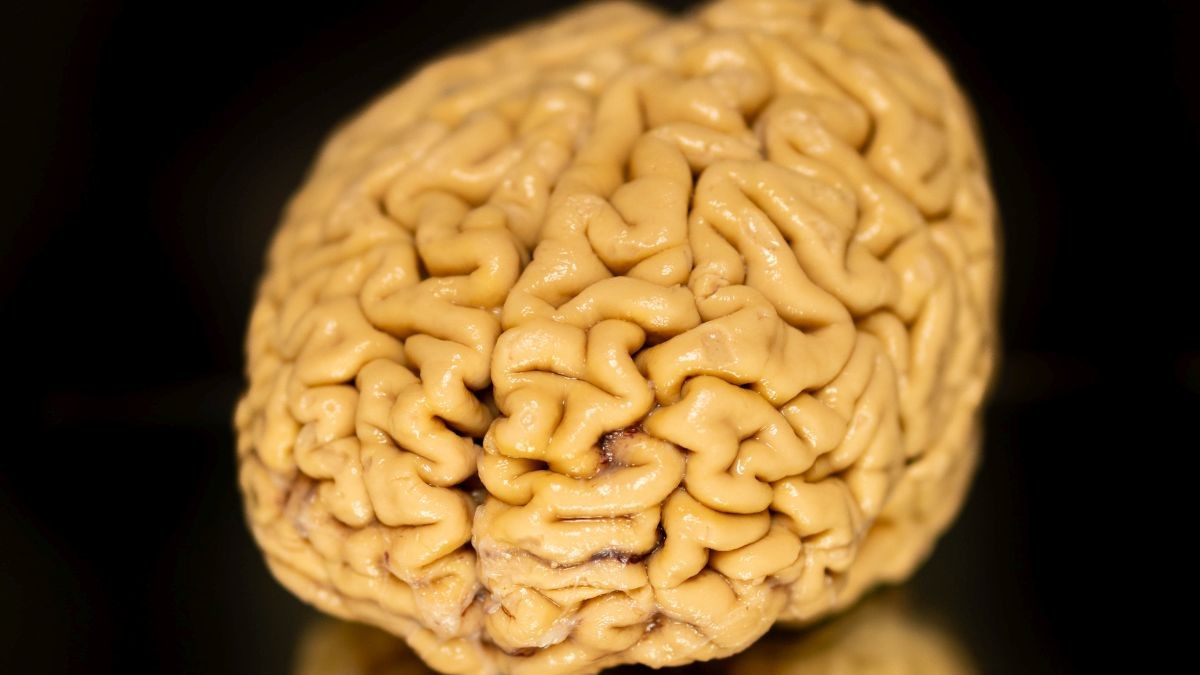
New research reveals that exceptional cognitive health in older adults is linked to surprisingly high rates of neurogenesis – the growth of new brain cells – even late in life. The study, conducted by researchers at the University of Illinois Chicago, found that individuals with superior memory retention (“superagers”) have roughly twice as many developing neurons in their hippocampus (the brain’s memory center) as their peers who age more typically. This discovery is significant because it challenges the long-held belief that neurogenesis slows to a halt in adulthood and provides critical insights into the biology of healthy aging and dementia prevention.
The Long Debate Over Adult Neurogenesis
For decades, scientists debated whether adult human brains could even generate new neurons. Early research in 1998 suggested that adults could produce new brain cells, but later studies questioned this, indicating neurogenesis might cease during adolescence. However, recent work has increasingly linked neurogenesis to cognitive health, particularly in the context of Alzheimer’s disease. Individuals with Alzheimer’s show a marked reduction in neurogenesis compared to healthy individuals, suggesting that the brain’s ability to create new cells is essential for maintaining cognitive function.
Study Findings: Superagers Lead the Way
The new study analyzed postmortem brain tissue from five groups: young adults, healthy older adults, superagers, individuals with preclinical Alzheimer’s pathology, and those diagnosed with Alzheimer’s. Researchers examined nearly 360,000 cell nuclei, tracking the progression of cells from stem cells to immature neurons. The results were striking.
Superagers exhibited twice the neurogenesis of other healthy older adults. This suggests that a persistent capacity for creating new neurons is a key factor in maintaining superior memory function. Moreover, the study found that individuals with preclinical Alzheimer’s showed early signs of declining neurogenesis, while those with full-blown Alzheimer’s had significantly fewer immature neurons.
Genetic and Molecular Resilience
The study didn’t stop at cell counts. Genetic analysis revealed that superagers’ neural cells had increased activity in genes linked to stronger synaptic connections, brain plasticity, and brain-derived neurotrophic factor (BDNF) – a protein vital for neural survival and growth. These findings point to a resilient brain structure that not only generates new cells but also reinforces existing connections.
“We’ve always said that superagers show that the aging brain can be biologically active, adaptable, and flexible, but we didn’t know why,” says neuropsychiatrist Tamar Gefen of Northwestern University. “This is biological proof that their brains are more plastic… neurogenesis of young neurons in the hippocampus may be a contributing factor.”
Implications for Future Therapies
The research emphasizes that the aging brain isn’t doomed to decline. Identifying factors that promote neurogenesis could lead to therapeutic interventions aimed at preserving cognitive health. Further research will focus on lifestyle factors and environmental influences that may stimulate neurogenesis, potentially opening doors to strategies for boosting brain resilience in more people. The study’s lead author, Ahmed Disouky, notes that this work demonstrates the aging brain is not fixed, suggesting the possibility of interventions to maintain memory and cognitive function as we age.