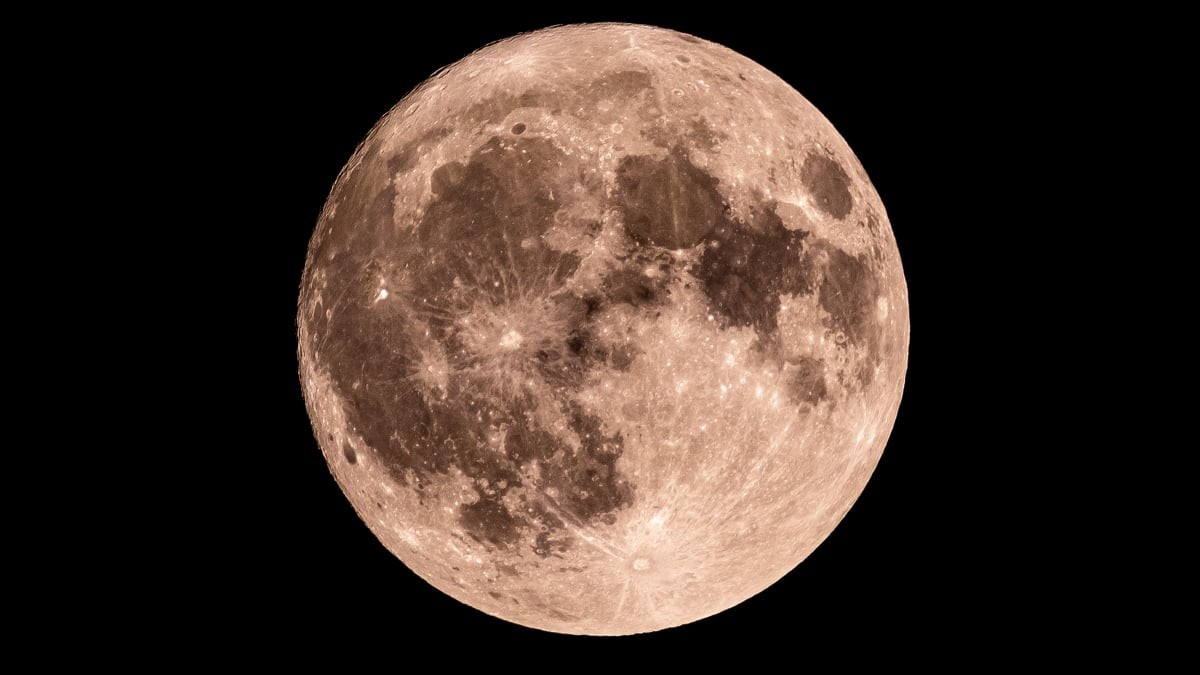
On Friday, May 8, 2026, the night sky features a Waning Gibbous moon. Illuminated at approximately 66%, the lunar disk is noticeably bright but clearly diminishing in size as it progresses toward the Third Quarter phase.
This specific phase marks a transitional period in the lunar cycle. While the moon remains largely visible, the illuminated portion is shrinking each night, signaling the approach of the “half-moon” stage that occurs the following day. For stargazers, this timing offers a unique opportunity to observe surface details that are often obscured during a full moon due to excessive glare.
Surface Features Visible Tonight
The angle of sunlight hitting the lunar surface during the Waning Gibbous phase creates long shadows, enhancing the visibility of craters and mountains. Depending on your viewing equipment, you can expect to see the following:
- Naked Eye: Without any optical aid, observers can clearly distinguish major features such as the Mare Imbrium (Sea of Showers), Tycho Crater, and Kepler Crater.
- Binoculars: Using binoculars reveals finer details, including the massive Clavius Crater, the rayed Gassendi Crater, and the rugged Apennine Mountains.
- Telescope: For those with telescopic equipment, the view expands to include historical and geological sites such as the Apollo 15 landing site, the Schiller Crater, and the Fra Mauro Highlands.
Lunar Cycle Context
The moon currently sits between its recent Full Moon and the upcoming Third Quarter. This phase is characterized by the right side of the moon (in the Northern Hemisphere) beginning to darken.
Note on Lunar Timing: The lunar cycle lasts approximately 29.5 days. Although we always see the same face of the moon, the changing angle of sunlight as it orbits Earth creates the familiar phases.
Upcoming Lunar Events
For those planning their stargazing schedule, May 2026 is notable for containing two Full Moons. While the current moon is waning, the next Full Moon is scheduled for May 31, 2026. This second full moon in a single calendar month is often referred to as a “Blue Moon,” a rare occurrence that adds extra interest to the month’s celestial events.
Understanding the Eight Phases
To contextualize tonight’s view, it helps to understand the complete lunar cycle. The eight primary phases, as defined by NASA, are:
- New Moon: The moon is positioned between Earth and the sun; the side facing us is dark and invisible.
- Waxing Crescent: A thin sliver of light appears on the right side (Northern Hemisphere).
- First Quarter: Half of the moon is illuminated on the right side.
- Waxing Gibbous: More than half is lit, growing toward fullness.
- Full Moon: The entire face is illuminated and fully visible.
- Waning Gibbous: The moon begins to lose light on the right side (current phase).
- Third Quarter (Last Quarter): Half of the moon is lit, but on the left side.
- Waning Crescent: A thin sliver remains on the left side before returning to darkness.
Conclusion
The Waning Gibbous moon on May 8, 2026, provides an optimal window for observing lunar topography before the light diminishes further. With 66% illumination and favorable shadow angles, this night offers a clear view of major craters and mountains, bridging the gap between the recent full moon and the upcoming Third Quarter.