


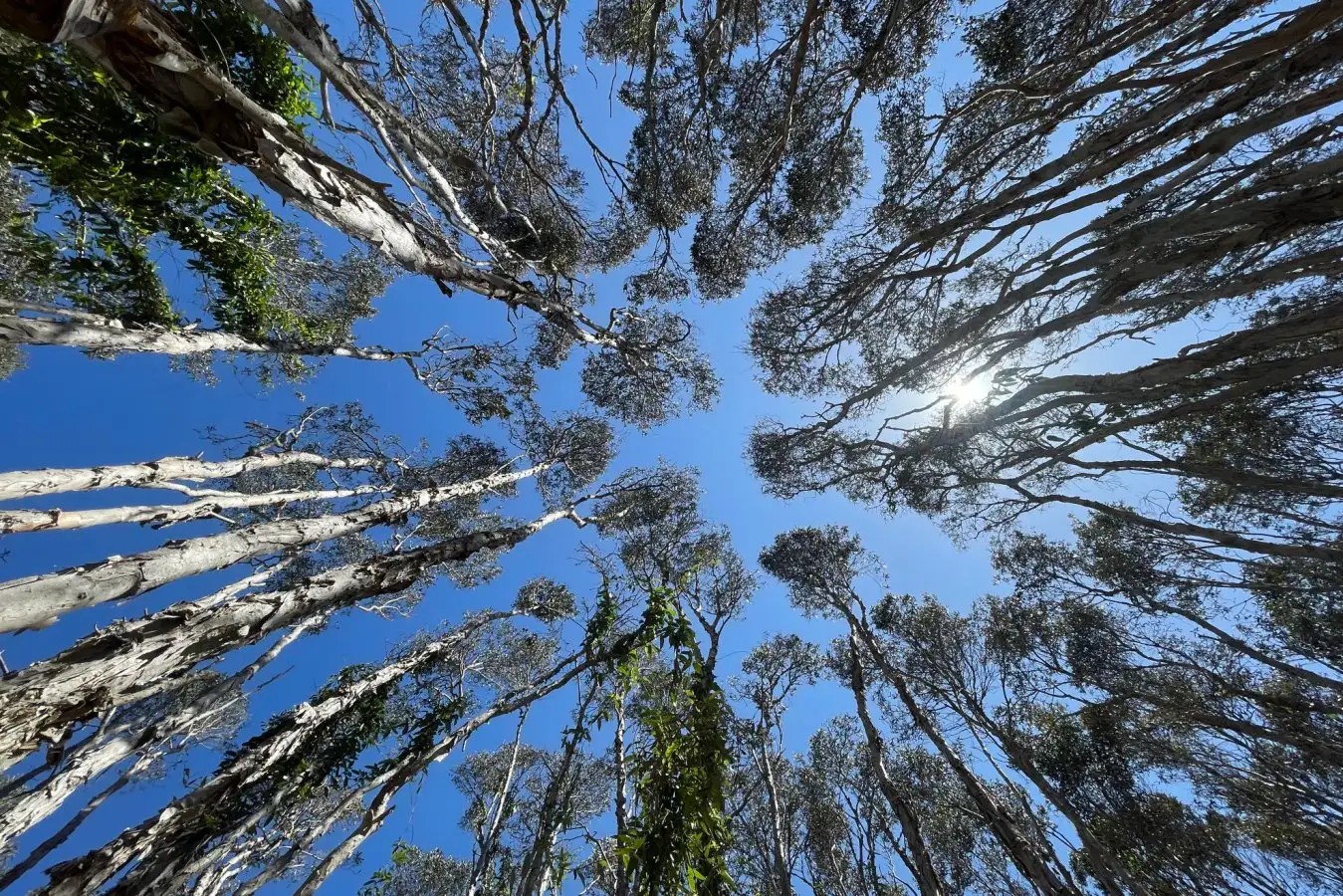
The rough exterior of trees harbors a vast, largely unstudied world of microbes that play a surprising role in regulating greenhouse gases. Scientists are only beginning to understand how this “caulosphere” – the microbial habitat on tree bark – influences atmospheric chemistry. With a total surface area rivaling the world’s landmass, tree bark supports trillions of bacteria, and recent research suggests these tiny organisms may significantly impact the global climate.
The Scale of the Hidden World
The sheer scale of tree bark’s microbial life is staggering. A single square meter of bark can host over 6 trillion bacteria, numbers comparable to those found in fertile soil. For years, this habitat has been overlooked, yet it represents an immense, untapped reservoir of biological activity. Genetic analysis reveals that the dominant bacterial families (Acidobacteriaceae, Mycobacteriaceae, and Acetobacteraceae) are largely unknown to science.
Microbial Metabolism and Greenhouse Gases
These bacteria aren’t merely passengers on tree trunks. They actively consume hydrogen (H2), carbon monoxide, and methane – all key greenhouse gases. While hydrogen itself isn’t a primary warming agent, it can amplify the potency of methane in the atmosphere. The ability of bark microbes to process these gases is not constant. In oxygen-rich environments, they absorb these gases, but in waterlogged conditions (like swamps), they can produce them.
Global Impact and Uncertainties
Researchers estimate that bark microbes globally consume between 0.6 and 1.6 billion kilograms of hydrogen annually, potentially removing up to 2% of total atmospheric hydrogen. This is the first time scientists have quantified this contribution, highlighting how trees do more than just sequester carbon dioxide in their wood. By influencing the lifespan of methane, bark microbes could be a critical, yet previously unrecognized, factor in climate regulation.
However, current data is limited to eight Australian tree species. The full global picture remains uncertain, and further research is needed to understand how different forest types, species, and microbial communities affect greenhouse gas cycling. Interactions between fungi and bacteria in bark also require further investigation.
Understanding these microbial processes is crucial, as they reveal an additional layer of complexity in the Earth’s climate system. By recognizing the hidden role of tree bark, scientists are uncovering new avenues for mitigating greenhouse gas emissions and improving climate models.


