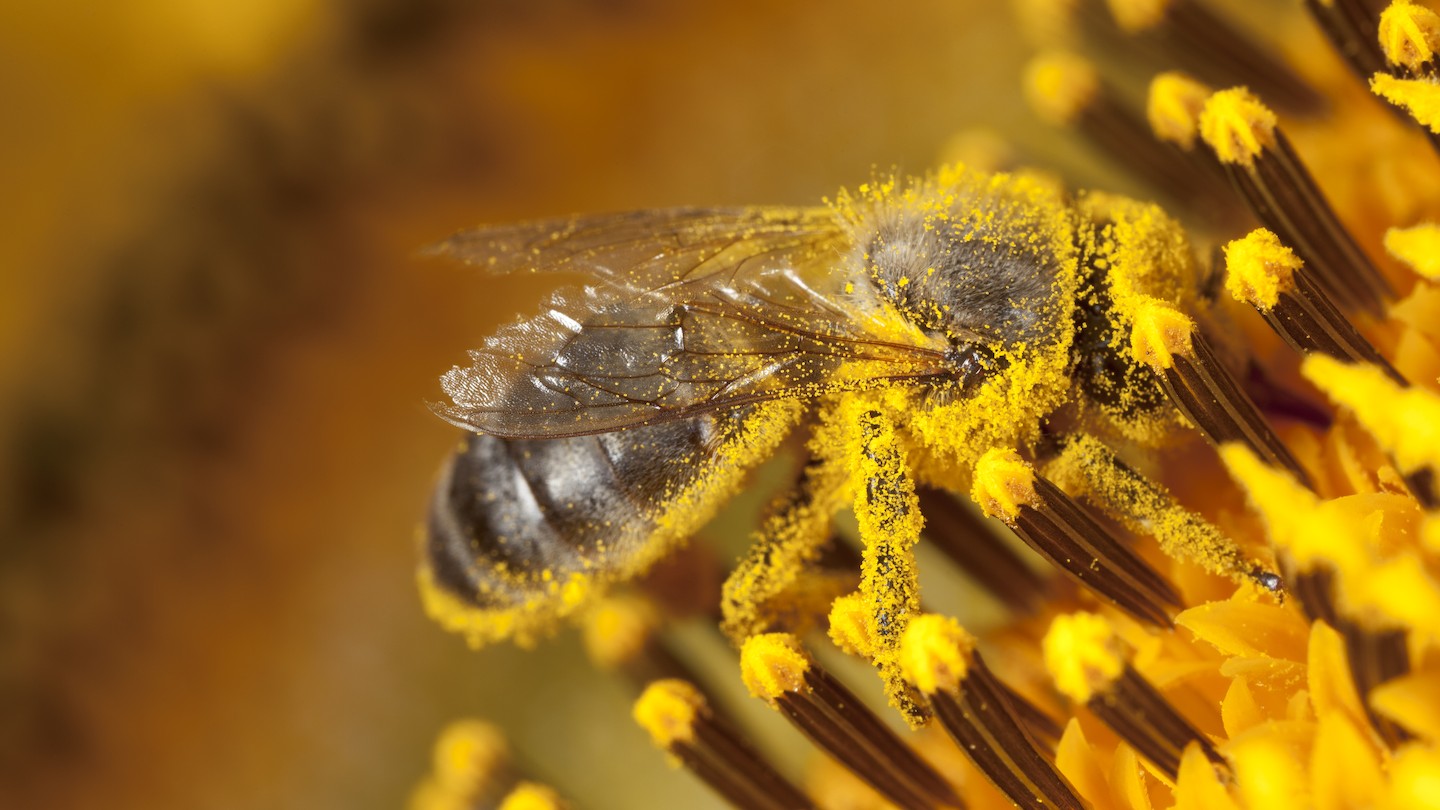
Pollination – the transfer of pollen to fertilize plants – is a fundamental process for both natural ecosystems and human food production. While often associated with bees, pollination relies on a diverse range of agents, including insects, birds, bats, and even aquatic species. Understanding this process, and the threats it faces, is crucial in an era of rapid environmental change.
The Mechanics of Pollination
At its core, pollination is about reproduction. Plants produce pollen, the male reproductive material, which must reach the female parts of a flower to create seeds. This transfer happens through various means:
- Insects: Bees, beetles, flies, and moths are key pollinators, often unintentionally carrying pollen as they forage for food. There are hundreds of thousands of insect species, each playing a role in local ecosystems.
- Birds: Many flowering plants have evolved alongside birds, offering nectar rewards in exchange for pollination. These warm-blooded creatures have been around for at least 150 million years, and remain critical for some plant species.
- Bats: Over 1,400 bat species contribute to pollination, particularly in tropical and desert environments. They are one of the most diverse mammal groups on Earth.
- Aquatic Systems: Even underwater plants, like eelgrass, rely on water currents and some animal assistance for fertilization. Eelgrass beds themselves serve as vital habitat for young fish and shellfish.
The Impact of Climate Change and Pesticides
The stability of these pollination networks is increasingly threatened by two major forces: climate change and the widespread use of pesticides.
Climate Change: Long-term shifts in weather patterns can disrupt the synchronization between plants and their pollinators. If flowering times change due to warming temperatures, pollinators may arrive too early or too late, reducing reproductive success.
Pesticides: While designed to kill harmful pests, these chemicals often harm beneficial insects, including bees and other pollinators. The resulting decline in pollinator populations can lead to reduced crop yields and ecosystem instability. Extinction of pollinator species can have cascading effects, threatening both agricultural productivity and the survival of plants that depend on them.
The Broader Ecological Significance
Pollination isn’t just about flowers and bees; it’s about the entire life cycle of ecosystems. The loss of pollinators can destabilize habitats, reduce biodiversity, and even impact food security. Understanding this interconnectedness is critical for conservation efforts.
Pollination is not merely a biological process, but an ecological cornerstone. Its disruption has the potential to reshape landscapes and economies alike.
Protecting pollinators requires a holistic approach: reducing pesticide use, restoring pollinator habitats, and mitigating climate change. Without these efforts, we risk losing not only the beauty of flowering plants but also the essential services they provide.