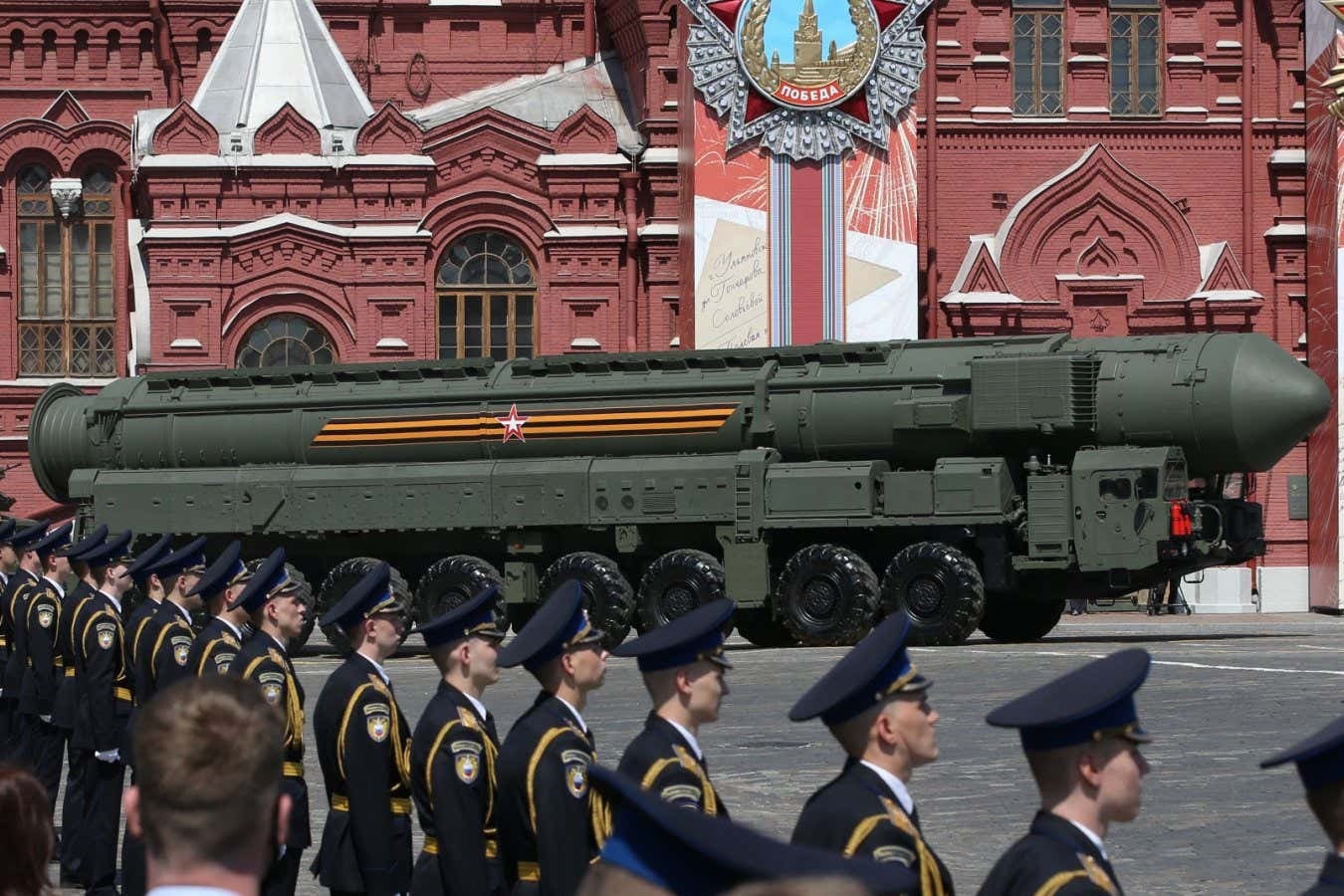
The world is on track to enter a dangerous new era in February 2026: the expiration of the New START treaty, the last major agreement limiting U.S. and Russian nuclear arsenals. For the first time in decades, there will be no treaty-mandated constraints on the world’s two largest nuclear powers. While the treaty’s actual impact on global safety is debated, the prospect of no replacement is now widely accepted. This shift is happening against a backdrop of escalating tensions, making a new agreement increasingly unlikely.
The Breakdown of Arms Control
The U.S. and Russia have historically relied on treaties like START I (1991) and New START (2011, extended to 2026) to regulate nuclear weapons and facilitate inspections. Talks on renewing or replacing New START have stalled, and both countries have already withdrawn from reciprocal inspection protocols. Russia’s full-scale invasion of Ukraine in 2022 accelerated this deterioration, with both sides now openly discussing resuming nuclear testing – a symbolic escalation with little practical benefit beyond signaling resolve.
The core issue is not just distrust but diverging strategic priorities. The U.S. now views China’s growing arsenal (600 weapons, rapidly expanding) as a primary concern alongside Russia (5,000+ weapons). Washington is hesitant to cap its own arsenal at levels comparable to Russia if it means being outmatched by China. Russia, meanwhile, is unlikely to accept a deal that would leave it with fewer bombs than the U.S. China’s unwillingness to join any limiting agreement further complicates matters.
Is Arms Control Even Effective?
Some experts question whether treaties fundamentally reduce the risk of nuclear war. Mark Bell of the University of Minnesota argues that treaties may save money and foster cooperation, but they do not eliminate the core deterrent: mutually assured destruction. The true stabilizer, according to this view, is not treaties but the catastrophic consequences of nuclear conflict itself.
However, other analysts warn that the treaty’s end does raise the risk of escalation. Stephen Herzog, formerly of the U.S. Department of Energy, says the lack of transparency and unrestrained competition in a world with increasingly unpredictable leaders makes nuclear war more likely. The removal of New START removes a vital confidence-building measure and accelerates the arms race.
What Remains?
Other nuclear treaties exist, but they are far less effective:
- Treaty on the Prohibition of Nuclear Weapons: Aims for total eradication but lacks support from nuclear powers.
- Treaty on the Non-Proliferation of Nuclear Weapons: Does not limit existing arsenals.
Only New START held the superpowers to account.
The Path Forward (Or Lack Thereof)
A short-term extension, perhaps brokered by figures like Donald Trump and Vladimir Putin, is possible but unlikely to lead to a long-term solution. The U.S. has also weakened its own arms control infrastructure by firing negotiators and inspectors, potentially giving Russia an advantage.
The expiration of New START marks a dangerous shift toward a less predictable, more volatile nuclear landscape. The underlying logic remains: the threat of annihilation prevents conflict, but the absence of safeguards increases the risk of miscalculation and escalation. The world is entering an era where the only constraint on nuclear weapons may be the fear of using them.