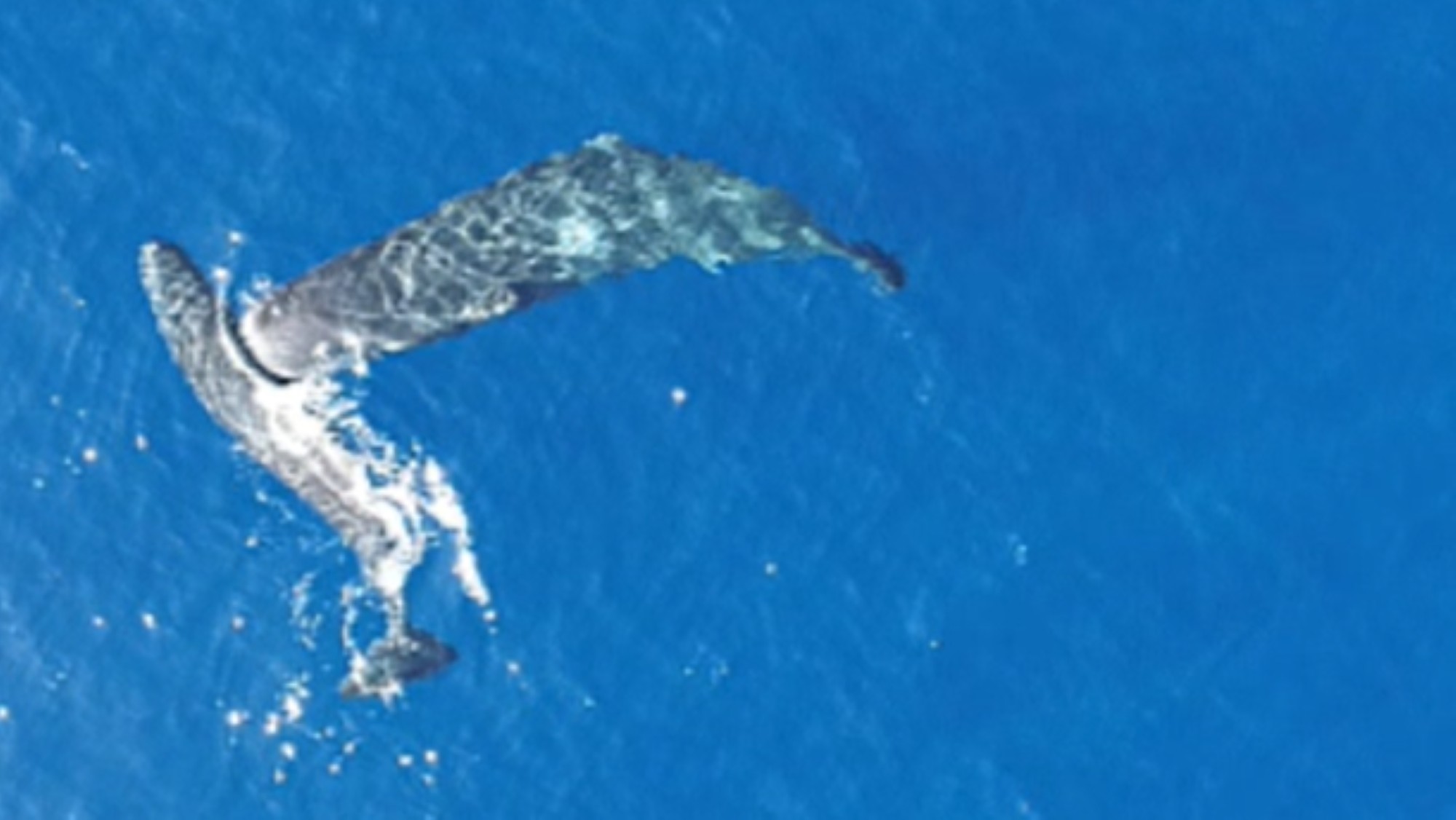
For centuries, sailors and whalers recounted tales of sperm whales ( Physeter macrocephalus ) deliberately ramming each other and even ships… but until now, concrete scientific evidence remained elusive. New drone footage, combined with a recent study in Marine Mammal Science, has finally documented this brutal behavior, confirming what was previously relegated to maritime lore.
Centuries of Anecdotal Evidence
The legend of sperm whale headbutting dates back to the 18th and 19th centuries. Mariners described whales intentionally striking vessels, with the most infamous incident being the 1820 sinking of the whaleship Essex off the Galapagos Islands. A massive male sperm whale reportedly rammed the ship twice, leading to its demise and inspiring Herman Melville’s classic novel Moby Dick.
Despite these historical accounts, the scientific community lacked direct observation until now.
New Footage and Findings
Researchers captured three documented cases of sperm whale headbutting between 2020 and 2022 off the Azores and Balearic Islands. Lead author Alec Burslem notes that this behavior was long hypothesized but never systematically described.
The footage reveals a surprising detail: young male whales, rather than mature ones, are primarily engaging in this aggressive act. This challenges previous assumptions about the purpose of headbutting, which was thought to be a competition tactic among dominant males.
Why Headbutt? The Mystery Remains
The exact reason behind this behavior remains unclear. Some scientists suggest it’s a form of male-to-male competition, while others argue that intentional headbutting could be detrimental to the whales themselves, potentially damaging brain structures essential for echolocation and communication.
The recent availability of drone technology is likely a major factor in the sudden surge of documented cases. Researchers believe this is just the tip of the iceberg, and more observations could reveal the true function of headbutting in sperm whale social dynamics.
“This unique overhead perspective… is just one of the ways drone technology is transforming the study of wildlife biology.” – Alec Burslem, University of Hawaii
Researchers are actively seeking additional footage from anyone who may have witnessed similar behavior, hoping to piece together a clearer understanding of this extraordinary and violent act.
The confirmation of sperm whale headbutting not only validates historical accounts but also opens new avenues for studying marine mammal behavior, aggression, and the impact of human observation methods on wildlife research.