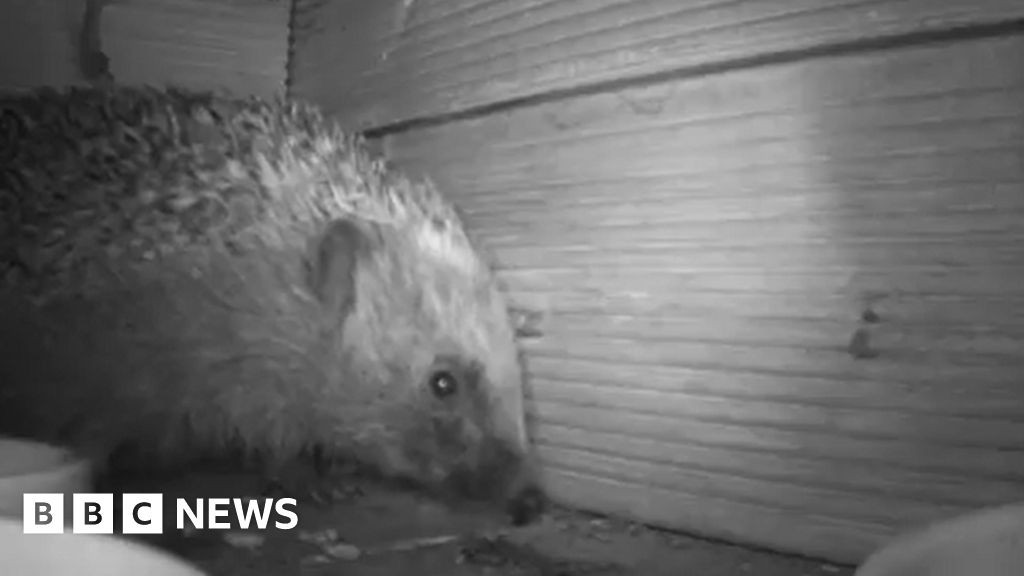
British gardens are playing an increasingly critical role in the survival of hedgehogs, a species facing decline in rural habitats, according to new research. A large-scale study using hidden wildlife cameras in over 400 Chester gardens revealed that more than half hosted hedgehog visits, driven primarily by the availability of food. This finding underscores a significant shift: as rural populations dwindle due to habitat loss, roads, and intensive farming, gardens are becoming essential refuges for these vulnerable mammals.
The Study’s Findings
Researchers from Nottingham Trent University and Chester Zoo analyzed thousands of images, correlating hedgehog presence with garden characteristics. The biggest draw? Deliberately left-out food. However, experts caution that simply feeding hedgehogs isn’t a long-term solution ; it’s the wider habitat that matters.
The study highlights the need for wildlife-friendly garden features : patches of wildflowers, native plants, leaf litter, log piles, and open fence gaps allowing hedgehogs to roam freely. These elements provide crucial space for hibernation and breeding, which are increasingly scarce in fragmented landscapes.
Why This Matters
Hedgehogs are now listed as vulnerable to extinction in the UK. Their decline isn’t just a conservation issue; it’s a symptom of broader environmental pressures. As rural areas become less hospitable, the burden of sustaining the species falls increasingly on suburban and urban environments.
Rescue charities report a surge in hedgehogs needing help, a clear sign of failing natural habitats. Any hedgehog spotted during daylight hours, or showing signs of injury, requires attention. Healthy hedgehogs are critical for maintaining viable populations, and successful reintroduction into the wild is key to long-term survival.
Creating Hedgehog-Friendly Gardens
Conservation biologists emphasize the importance of wild spaces within gardens. These areas must allow hedgehogs to over-winter, mate, and thrive without excessive human interference. If feeding hedgehogs, use appropriate foods (like cat biscuits) and maintain hygiene to avoid disease spread.
“The best thing people can do for hedgehogs in gardens is to create wild spaces for them—areas where they can over-winter, mate, live happily, and hopefully we can keep the populations going in these suburban environments.” – Dr Rebecca Thomas, Royal Holloway, University of London.
This research, published in Urban Ecosystems, reinforces a simple message: gardens can be lifelines for hedgehogs. By providing both food and habitat, homeowners can contribute directly to the species’ persistence in a changing world.