Researchers have discovered that certain fungal proteins can trigger ice formation at warmer subzero temperatures, presenting a potentially safer and more efficient alternative to current methods like silver iodide-based cloud seeding. The findings, published in Science Advances, could revolutionize fields ranging from weather modification to food preservation and even climate modeling.
The Problem with Current Ice Nucleation
Traditional cloud seeding relies on particles like silver iodide to force water in clouds to freeze, creating ice crystals that grow into rain. However, silver iodide is highly toxic, raising environmental and health concerns. This new discovery offers a non-toxic substitute: fungal proteins capable of performing the same function.
How Fungi Trigger Freezing
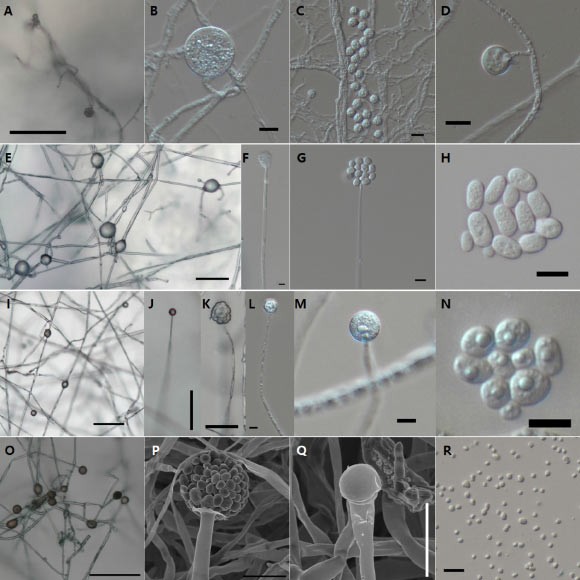
The team, led by Professor Boris Vinatzer at Virginia Tech, identified specific proteins within certain fungi (Mortierellacae family) that act as efficient ice nucleators. These proteins cause water molecules to freeze even at slightly warmer temperatures than previously thought possible. The process mirrors a natural “snowball effect,” where ice crystals grow as more water freezes onto them, eventually becoming heavy enough to fall as precipitation.
The Unexpected Bacterial Origin
Interestingly, the fungal gene responsible for this ice-nucleating ability appears to have originated from bacteria through horizontal gene transfer—a process where genetic material is shared between unrelated species. Professor Vinatzer noted, “It’s not common for fungi to acquire genes from bacteria, so the discovery of this bacterial origin was unexpected.” The fungi have since adapted and refined the protein, making it even more effective.
Applications Beyond Cloud Seeding
The potential applications extend far beyond weather modification:
- Food Preservation: Fungal proteins offer a safer additive for freezing foods compared to bacterial ice nucleators, as they are cell-free and water-soluble.
- Cryopreservation: These proteins can improve the preservation of cells (tissues, sperm, eggs, embryos) by initiating freezing before damage occurs. The small molecular size allows for better protection than introducing whole bacterial cells.
- Climate Modeling: Understanding the prevalence of these fungal molecules in clouds can refine climate models, improving predictions of how much radiation is reflected back into space versus absorbed by Earth.
“If we learn how to cheaply produce enough of this fungal protein, then we could put that into clouds and make cloud seeding much safer,” Professor Vinatzer said.
Why This Matters
The discovery highlights the potential of bioinspired technologies. By harnessing naturally occurring processes, researchers can develop solutions that are both effective and environmentally sound. The long-term implications include more accurate climate predictions, safer industrial freezing practices, and a sustainable alternative to toxic cloud seeding agents.
This research underscores the importance of ongoing genomic sequencing and computer science advances in uncovering hidden capabilities within the natural world.
Rosemary J. Eufemio et al. 2026. A previously unrecognized class of fungal ice-nucleating proteins with bacterial ancestry. Science Advances 12 (11); doi: 10.1126/sciadv.aed9652.