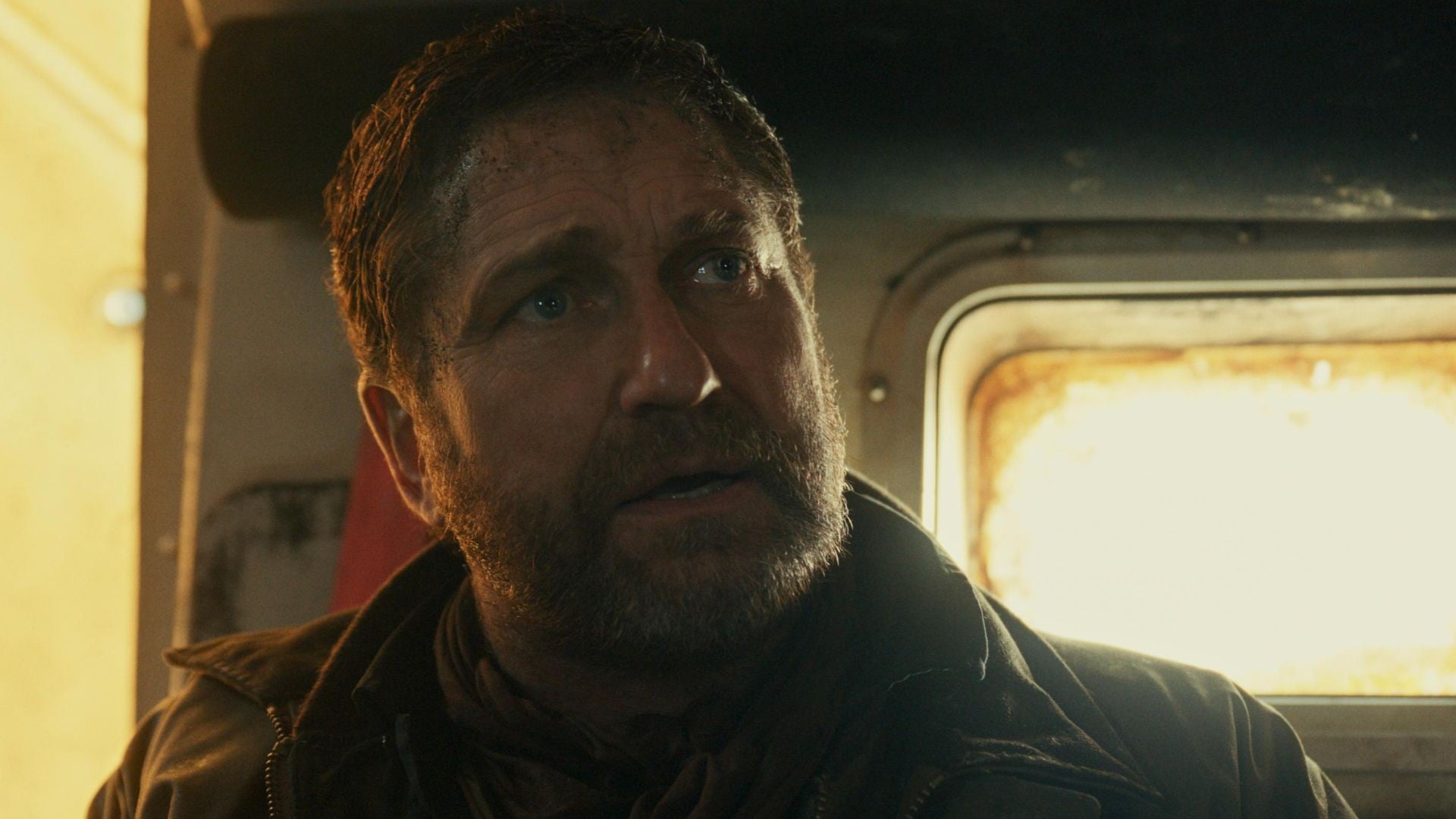
Actor Gerard Butler recently discussed the challenges of producing and starring in the sci-fi disaster sequel Greenland 2: Migration, revealing a grueling production process that pushed him to physical and mental limits. The film, released today, continues the story of the Garrity family as they navigate a post-apocalyptic landscape five years after a comet strike, seeking refuge in Southern France.
The Unique Focus of ‘Greenland 2’
Director Ric Roman Waugh aimed to differentiate Greenland 2 from typical disaster films by emphasizing the aftermath and human response to catastrophe. Most films focus on the initial event, while Waugh’s sequel delves into the messy reality of societal breakdown, forcing characters to confront difficult choices about survival, altruism, and rebuilding. This approach, Butler suggests, resonated with audiences, especially in light of the COVID-19 pandemic which mirrored the film’s sudden, disruptive scenario.
“What happens next? How do you survive? You’ve got to just get through, white-knuckling it.” – Gerard Butler
Collaborative Creativity and Creative Tension
Butler’s involvement extended beyond acting this time, as he took on a producer role. He describes a competitive but productive creative partnership with Waugh, marked by intense debate over storytelling. The actor believes their contrasting styles—Waugh’s preference for grounded, sometimes bleak narratives versus Butler’s push for entertainment, humor, and heart—created a necessary balance.
The Physical Toll of Filming
Production in the UK and Iceland proved physically demanding, with Butler completing five films back-to-back, including a role requiring a 90-pound costume. He admits to reaching a point of burnout midway through Greenland 2, though he acknowledges that the character’s own struggles with health issues ironically suited the circumstances.
“Halfway through, I was done. I was burned out.” – Gerard Butler
The actor argues that these kinds of roles require resilience and a willingness to endure hardship, which ultimately enhances performance authenticity.
Disaster Films: From Spectacle to Substance
Butler positions Greenland and its sequel within the legacy of disaster films dating back to the 1970s, citing The Poseidon Adventure as a personal favorite. He contends that many modern blockbusters prioritize visual spectacle over emotional depth, while Greenland attempts to offer both. The sequel, he suggests, explores deeper themes of human connection, sacrifice, and the spiritual dimension of facing existential threats.
Ultimately, Greenland 2: Migration aims not just to entertain but also to provoke reflection on what it means to endure and contribute in the face of global catastrophe. The film suggests that survival isn’t merely about spectacle, but about the enduring strength of the human spirit.