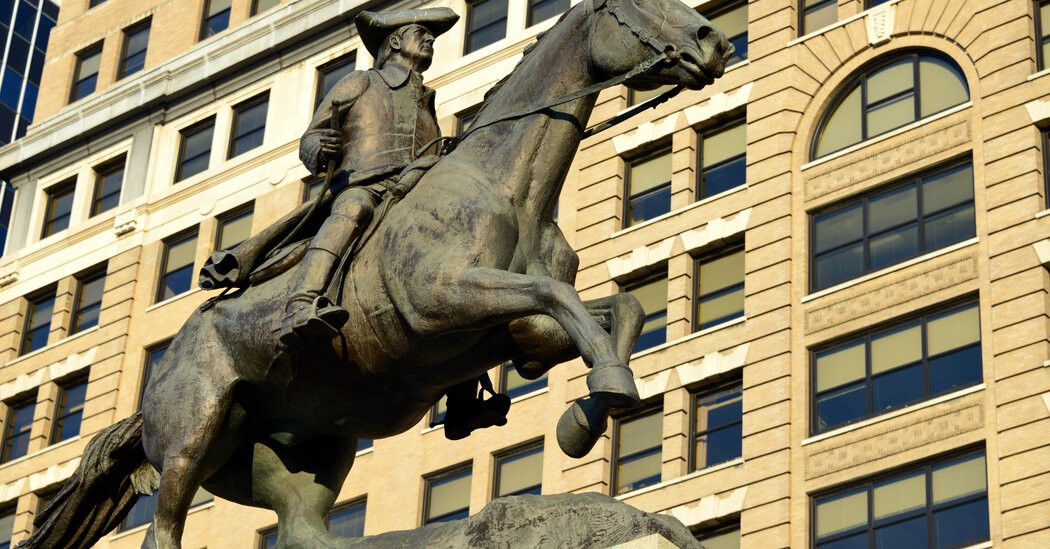
The Trump administration is set to place a statue of Caesar Rodney, a Delaware founding father who also owned enslaved people, in Washington’s Freedom Plaza as part of the nation’s 250th birthday celebrations. This decision, confirmed by the Interior Department, comes after Rodney’s statue was removed from Wilmington, Delaware in 2020 amid broader calls for racial reckoning.
A Pivotal Vote in History
Caesar Rodney is remembered for his dramatic ride on horseback to Philadelphia on July 2, 1776, where he cast the decisive vote for Delaware in favor of the Declaration of Independence. This vote secured the necessary consensus for the historic document, formally adopted two days later on July 4th. Despite his role, Rodney’s legacy is complicated by his ownership of as many as 200 enslaved men and women.
Trump Administration’s Focus on Founding Figures
The decision to honor Rodney aligns with President Trump’s previous criticism of the removal of statues of founding fathers. He labeled such actions as a “radical purge of America’s founding generation.” The move also reflects a broader trend under the Trump administration toward celebrating figures associated with the nation’s origins, even those with problematic histories.
Statue’s Journey and Current Status
The statue, currently stored in Delaware, will be temporarily moved to Freedom Plaza under a National Park Service memo dated February 3rd. The Interior Department defends the decision as an effort to highlight key figures from the founding era. Supporters argue that Rodney’s historical significance outweighs his controversial past, while critics denounce it as another affront to Black Americans.
This move underscores the ongoing debate over how to reconcile the complex legacies of the nation’s founders with modern values. The decision to elevate Rodney’s statue raises questions about which figures deserve recognition and how their full histories should be acknowledged.
The Trump administration’s approach suggests a prioritization of historical recognition over contemporary social justice concerns, ensuring that even controversial figures remain part of the national narrative.